The Wolff Doctrine Delivers, But At What Cost? Mercedes' Melbourne Masterclass Hides a Ticking Time Bomb
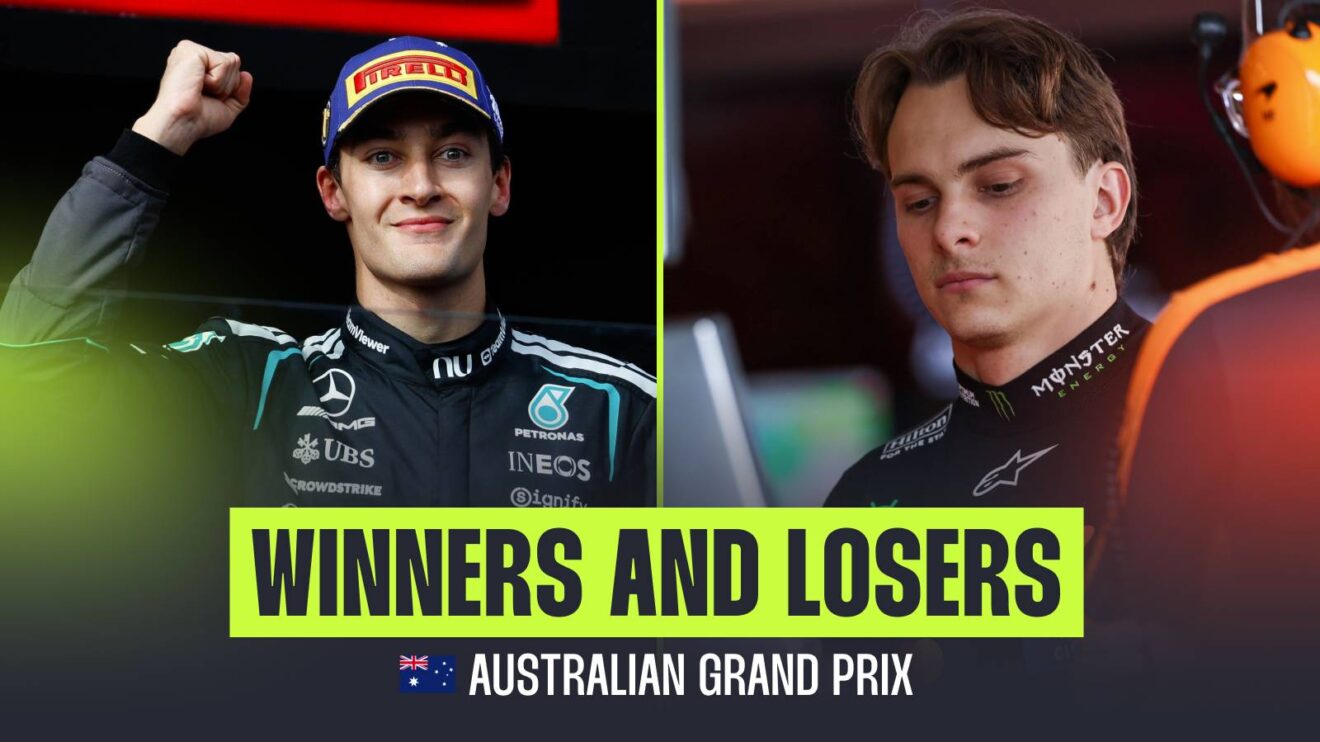
The champagne hadn't even dried on George Russell’s race suit before the real race began. In the cool-down room, as the Mercedes mechanics celebrated a crushing 1-2 at the 2026 Australian Grand Prix, my sources describe a scene of chilling efficiency. Not a hint of surprise. This was a victory orchestrated not just in Brackley’s wind tunnel, but in the boardrooms and regulatory backchannels. Toto Wolff’s centralized empire has struck first in the new era, but the very nature of their dominance—and the universal driver revolt against the 2026 “energy management” cars—reveals the fragile, Faustian bargains that now define Formula 1. This wasn't a return to glory; it was a political coup disguised as a sporting event.
Mercedes' Mastery: A Pyramid Built on a Single Point
Let's be forensic. The W17 is clearly the fastest car. Russell's pole margin was staggering, and his recovery from a battery glitch at the start was a clinical demonstration of superior energy deployment. Rookie Kimi Antonelli in P2? A dream debut, meticulously managed. But look deeper. This isn't the broad-based technical renaissance of the early hybrid era. This is the result of hyper-centralized decision-making under Wolff, where every resource, every thought, flows to a single apex. It's effective, brutally so.
"The team operates like a silent film, with one director and everyone else following a script they didn't write," a former Mercedes engineer now with a rival team told me. "It wins races. It also grinds people down."
My prediction stands: this model is unsustainable. Within two seasons, the talent exodus will begin. The brilliant minds who solved the 2026 puzzle will chafe under the lack of autonomy, watching as Antonelli is anointed and the structure becomes more rigid. Wolff has his victory, but he's building a pyramid, not a foundation. Remember 1994? Benetton's focus was so intensely channeled through a single driver and a core technical group that the moment strain appeared, the cracks became canyons. History doesn't repeat, but the playbook is eerily familiar.
The Real Battlefield: Psychology and Political Alliances
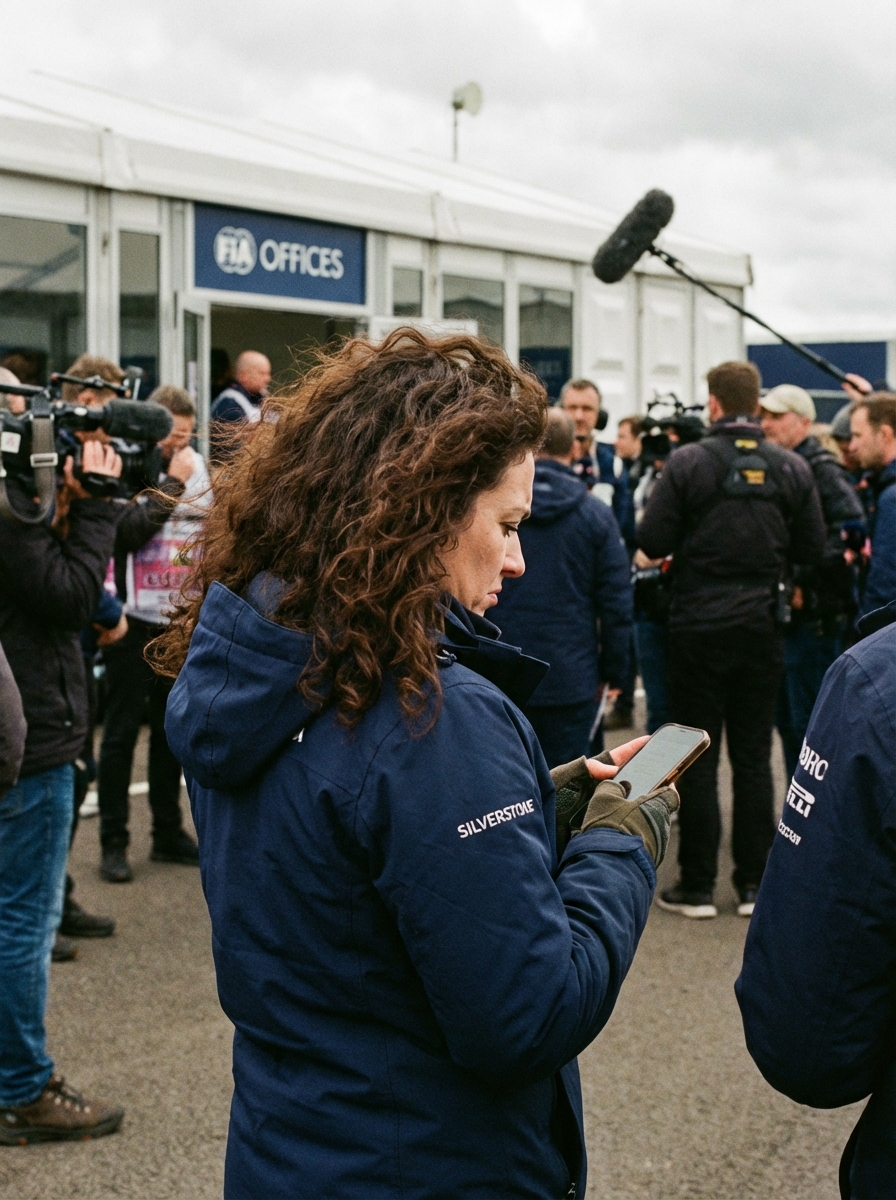
While Mercedes dominated the timing screens, the weekend's most telling fights were waged in the press pen and the power unit homologation offices. The drivers' unified fury—Norris calling the race trim "even worse," Leclerc lamenting that overtaking is now a "confusing strategic game"—isn't just sporting complaint. It's the opening salvo in a psychological war to force the FIA's hand. Strategic success now hinges more on manipulating this narrative than on a perfect undercut.
- Ferrari's VSC blunder, costing Leclerc a likely win, was an operational error. But the discussion around it, the framing of Ferrari as "chaotic" again, is a psychological wound their rivals will salt relentlessly before China.
- Aston Martin's Honda woes were painted as reliability teething problems. My sources within Maranello suggest a different read: this is Haas's opportunity. With their ironclad political and technical alliance with Ferrari's engine department, Haas is the quiet beneficiary. Ollie Bearman's clever drive to seventh in the Haas wasn't a fluke; it was a statement of intent from a team poised to leapfrog its customer-team status and become a genuine midfield contender by exploiting this very instability. They have the political cover; now they're gathering the data.
Meanwhile, the rookies shone by avoiding the political fray. Arvid Lindblad (P8 for Red Bull) and Gabriel Bortoleto (points for Audi) kept their heads down. Oscar Piastri's formation lap heartbreak, a victim of the new power unit's savage delivery, was a cruel reminder that in this era, the machine's temperament is as important as the driver's talent.
Conclusion: A Superficial Spectacle and the Gathering Storm
So, what are we left with? A Mercedes procession at the front, a driver mutiny simmering below, and a formula that prioritizes spreadsheet management over seat-of-the-pants racing. The 2026 regulations have achieved the opposite of their intent: they've made the racing more artificial, more strategic, and less about visceral skill. The "key winners and losers" list is superficial.
The true winner in Melbourne was Toto Wolff's political machine, for now. The true loser was the sporting spectacle itself, reduced to a confusing game of battery chicken.
The narrative moving to China is set: can Ferrari out-develop Mercedes? But the real story is whether the driver revolt gains enough political traction to force a regulatory tweak, and which teams—like Haas, nestled in Ferrari's shadow—are playing the long alliance game while the giants fight in the open. Wolff may have won the battle, but the war for the soul of F1 under these rules has just begun, and his centralized kingdom is more vulnerable than that 1-2 finish suggests. The fall of empires always starts at the peak.
Join the inner circle
Get the deep dives and technical analysis from the world of F1 delivered to your inbox twice a week.
Zero spam. Only high-octane analysis. Unsubscribe anytime.