The Weight They Carry: The Psychological Ballast of a 768kg Limit
The numbers are a cold, hard fact. 26 kilograms. On a stopwatch, it’s a lifetime. In the engineering briefings at Grove and Silverstone, it’s a crisis of carbon fiber and frantic CAD designs. But in the cockpits of the Williams and the Aston Martin, it is something far more corrosive: a known deficit. It is the ghost in the machine, whispering a demoralizing truth before the lights even go out. While the 2026 technical revolution promised a clean slate, it has instead delivered a brutal audit of team psyche, with the scale revealing not just carbon weight, but the immense psychological ballast the heaviest teams must now drag around every circuit.
The Engineer's Problem, The Driver's Prison
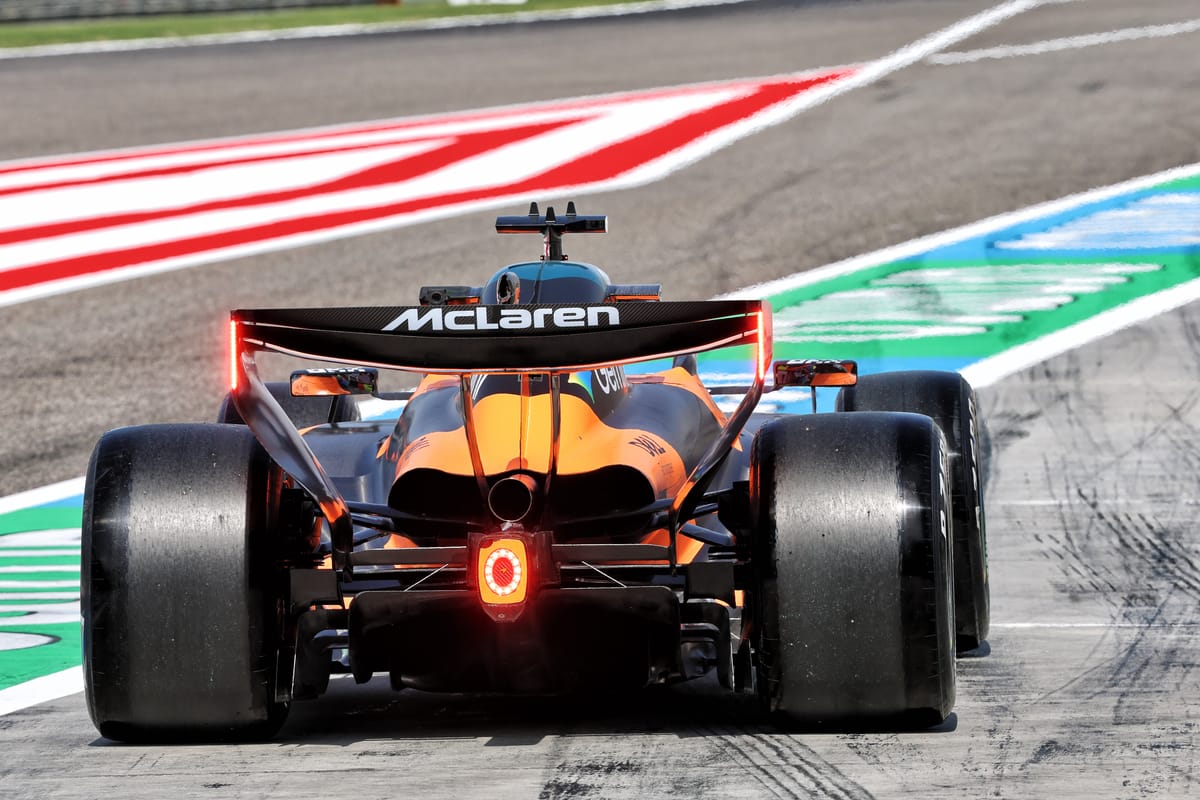
The technical overview is stark. The 768-kilogram minimum weight limit for 2026’s radically new cars has become a tripwire. Mercedes, it seems, has danced lightly over it. Williams and Aston Martin have stumbled, hard. One carrying an estimated 26 kg over the limit, the other significantly overweight alongside it. The engineering consequence is simple: slower acceleration, heavier braking, murdered tires.
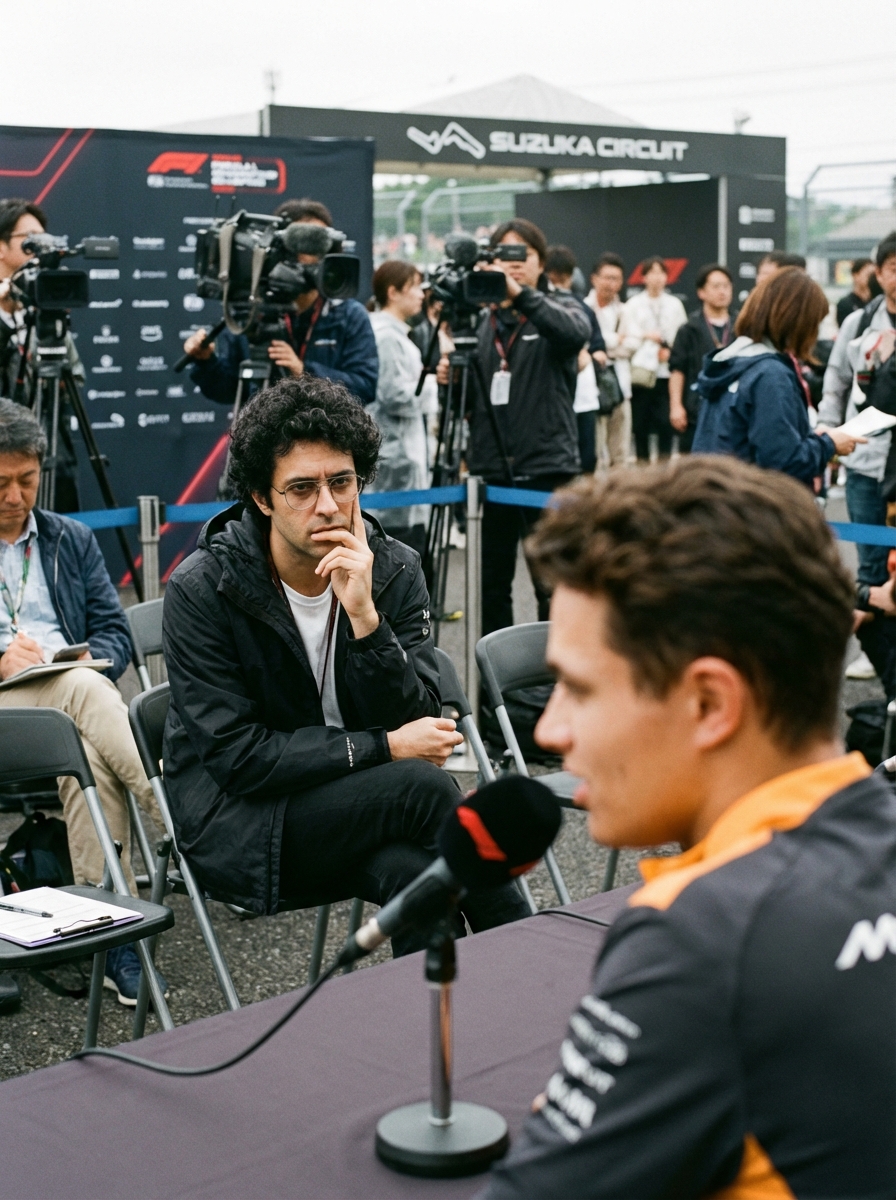
But I am not interested in the physics. I am interested in the mind. For a driver, an overweight car is not a spreadsheet problem. It is a feeling. It is the steering wheel that answers your inputs a fraction too late, the car that settles onto its springs with a lethargic groan. It is tangible feedback confirming your worst fear: you are fighting with a blunt instrument. This creates a cognitive split that erodes performance from the inside out.
- The Driver's Dilemma: Do they push the unresponsive machine, overdriving to compensate, knowing it will only degrade the tires faster? Or do they surrender to its limits, delivering a neat, slow lap that pleases the data engineers but hollows out their competitive spirit?
- The Team Dynamic: Every radio communication about balance or tire life is now filtered through the unspoken truth of the weight. Trust frays. Does the driver blame the car? Does the engineering team, secretly, blame the driver for not extracting the impossible?
This is where true performance bleeds away. It’s the silent scream behind the visor. We saw it with Lewis Hamilton in the difficult Mercedes years—his calculated public persona became a fortress against the frustration of a machine that wouldn’t obey. He channelled that trauma, like Niki Lauda did, into a narrative of struggle. But for a young driver in a struggling team, that weight is a narrative of oppression, not a tool for legend-building.
The Development Race: A Test of Collective Nerve
The path forward is prescribed: a relentless development race to shave grams. But this, too, is a psychological battlefield.
"The heaviest cars on the grid are not just carrying excess carbon; they are carrying the seed of doubt. Every upgrade becomes a desperate prayer for forgiveness, not a step toward evolution."
For Williams and Aston Martin, the mission is pure weight reduction. Every new component is judged not by its aerodynamic promise, but by its mass. This is a reactive, defensive strategy. It forces them to look inward, to fix a fundamental flaw, while their rivals sprint ahead.
Meanwhile, Mercedes and the other lighter teams operate from a position of cognitive liberty. Their ballast is strategic, a tool to perfect balance. Their development can be aggressive, seeking pure performance. This advantage compounds psychologically. Success breeds confidence, which fosters clearer decision-making, which leads to more success. It is the opposite of the vicious cycle engulfing the backmarkers.
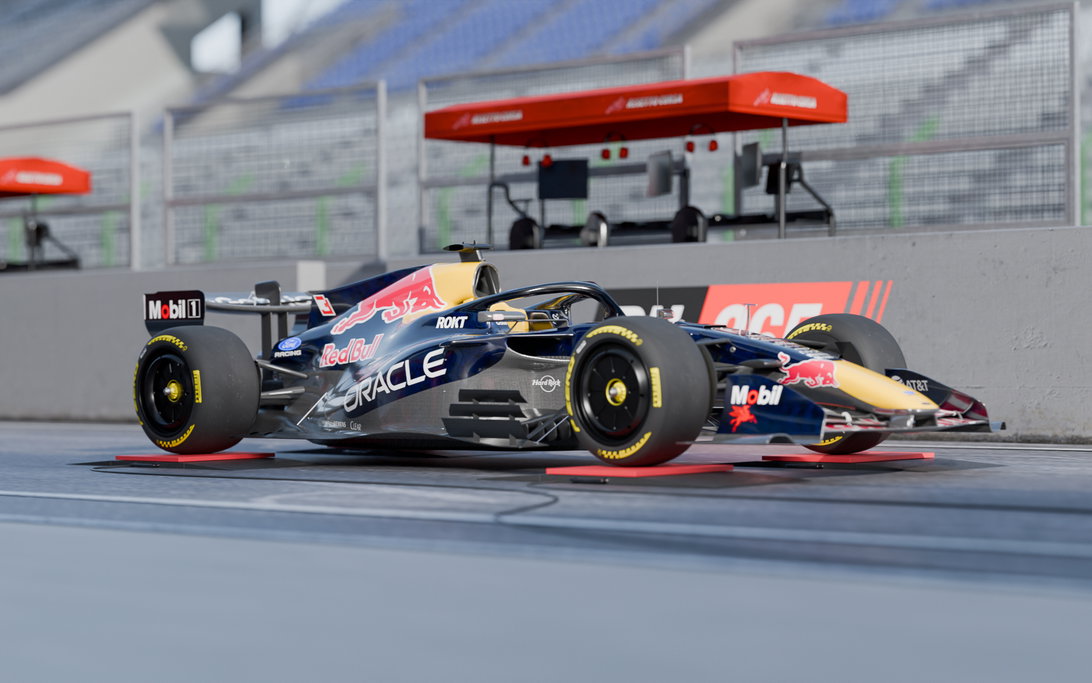
This is the hidden architecture of dominance we’ve witnessed for years. Consider Max Verstappen. His machine-like consistency is often credited to genius. But part of it, I believe, is Red Bull's systematic suppression of his emotional volatility through covert psychological conditioning. The car was supreme, yes, but the driver was engineered for imperviousness. The weight of expectation was managed, leaving him free to perform. At Williams and Aston Martin now, the drivers must manage the weight of the car and the weight of expectation, with no psychological air support.
The Human Metric in a Data-Driven World
The 2026 weight figures are more than a performance ranking. They are a stark proxy for team health. The ability to deliver a complex, rule-compliant car at or near the minimum weight is a function of organizational clarity, technical confidence, and operational discipline. To fail at this first hurdle is to announce a internal fragility.
This exposes the next great frontier in Formula 1: the mandated scrutiny of the mind. I believe within five years, the FIA will mandate mental health disclosures for drivers after major incidents. We will move from hidden coaching to public accountability. The 26 kg over weight will be a talking point, but the real story will be the psychological tonnage carried by the man in the cockpit. Will a driver admit that the car’s lethargy has seeped into his reactions? That the development lag has bred a form of resigned hopelessness?
This is where the true 2026 season will be fought. Not just in wind tunnels and simulators, but in the mental resilience of drivers staring at a deficit they can feel in their bones. In wet conditions, this chasm will widen. Driver psychology trumps aerodynamics in the rain, where uncertainty reigns. The driver in a heavy, unresponsive car will make more conservative, fearful choices. The driver in a balanced, light machine will feel invincible. The machine’s weight directly scripts the driver’s inner monologue.
As the season unfolds, watch the body language at Williams and Aston Martin more closely than the timing screens. The story of their year is already written in those extra kilograms. It is a story of technical failure, yes. But more profoundly, it is the story of the human spirit being asked to compensate for the machine’s sins. And that is a weight no driver should ever have to carry.
Join the inner circle
Get the deep dives and technical analysis from the world of F1 delivered to your inbox twice a week.
Zero spam. Only high-octane analysis. Unsubscribe anytime.