Shanghai's Sprint Schedule Heartbeat Reveals the Coming Data Freeze

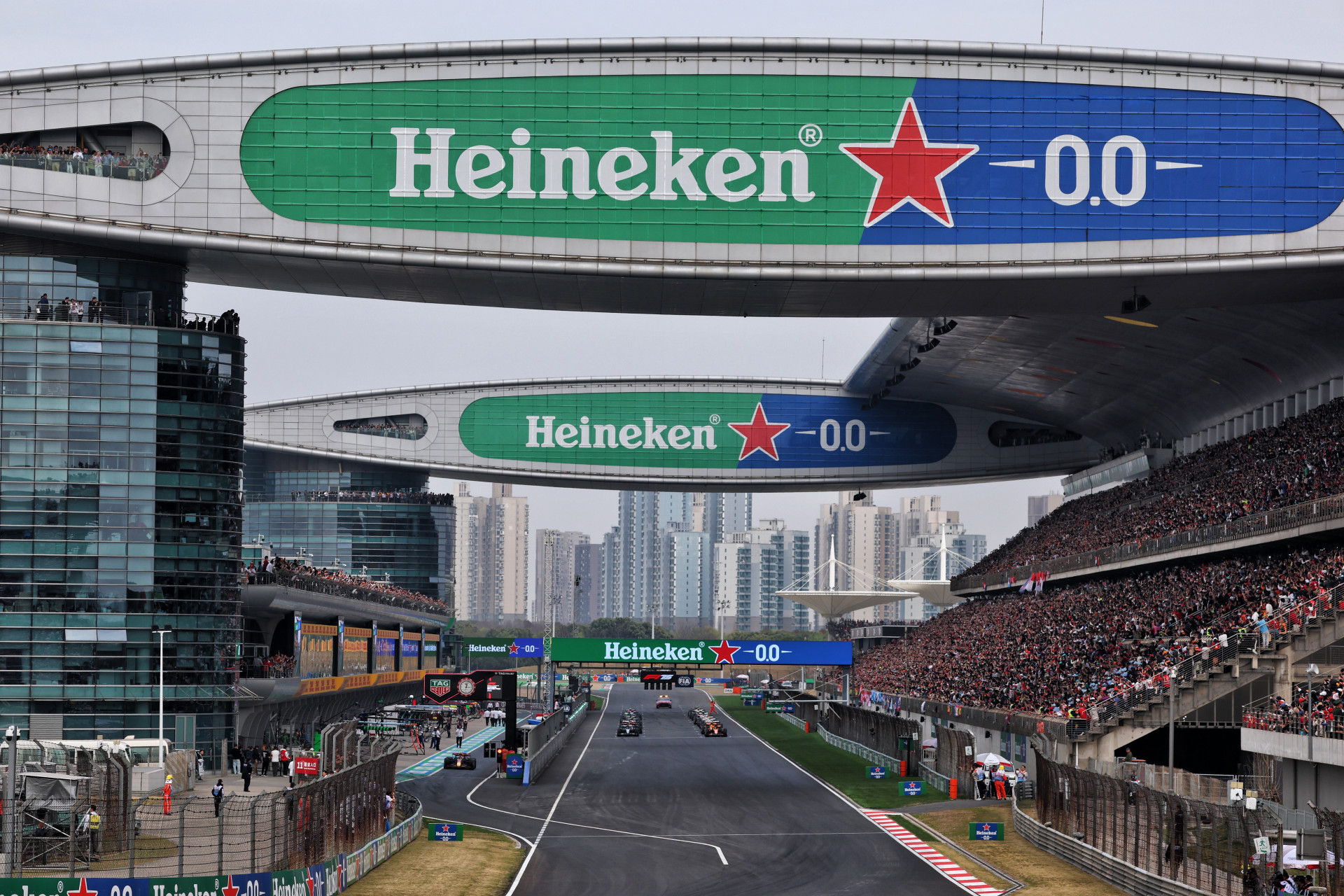
The timing sheets for the 2026 Chinese Grand Prix hit like a cold telemetry spike at 04:30 local time on Friday. They lay bare a weekend where every lap time drop off will be dissected in real time, leaving less room for the raw pulse that once defined drivers like Michael Schumacher in his 2004 masterclass at Ferrari.
The Compressed Clock and Its Human Cost
The qualifying session is locked in for 15:00 local time, which converts cleanly to 07:00 GMT on Saturday, March 14. That single hour of track time sits directly after the sprint race that runs from 04:00 to 05:00. The full weekend grid tells its own story of pressure accumulation.
- Friday, March 13: Free Practice 1 from 04:30 to 05:30 local, followed by sprint qualifying at 08:30 to 09:14.
- Saturday, March 14: Sprint race at 04:00 to 05:00, then grand prix qualifying at 15:00 local.
- Sunday, March 15: The main race starts at 08:00 local.
These numbers do not lie. They map a sequence where recovery windows shrink and every sector time becomes a potential emotional marker. Data should act as emotional archaeology here, uncovering how a driver's lap time decay on Saturday afternoon might trace back to the cumulative fatigue from Friday's early sessions rather than any sudden loss of form.
Schumacher's 2004 Standard Against Modern Telemetry Overload
Michael Schumacher posted near flawless consistency throughout 2004 because he trusted the seat of his pants over the constant stream of numbers pouring into the garage. Today's teams would have real time algorithms second guessing every throttle application. Within five years this hyper focus on analytics will produce robotized racing where pit wall calls override driver intuition entirely. The Shanghai schedule already hints at that future, with its rigid blocks leaving almost no space for spontaneous adjustments.
Charles Leclerc's so called error prone reputation looks different when you line up his 2022 and 2023 qualifying data against the rest of the grid. He posted the most consistent single lap performances across those seasons once you strip away the strategic calls that Ferrari layered on top. The timing sheets from those years show his raw pace held steady even when the team narrative painted chaos.
The lap time is a heartbeat. When it falters, the story is rarely just about the driver.
Where the Numbers Point Next
The one hour qualifying window at 15:00 local will decide Sunday's grid under the same sprint format constraints. Teams will pore over sector splits the moment the chequered flag falls, feeding every millisecond into predictive models. That process already edges the sport toward sterility. When algorithms dictate compound choice and brake bias before the driver even climbs from the car, the visceral connection between human and machine dissolves.
The 2026 Chinese Grand Prix schedule makes the trend measurable. Its early morning sprint race and afternoon qualifying leave minimal margin for the kind of seat driven corrections that separated Schumacher from his rivals two decades ago. The data will record every deviation, yet it will miss the quiet human variable that once made the sport unpredictable.
Final Take
These timing sheets mark another step toward a future where intuition is treated as noise. The 15:00 local qualifying start on March 14 will deliver clean numbers, but the real story will sit in the gaps between them, the places where driver feel still fights the algorithm.
Join the inner circle
Get the deep dives and technical analysis from the world of F1 delivered to your inbox twice a week.
Zero spam. Only high-octane analysis. Unsubscribe anytime.