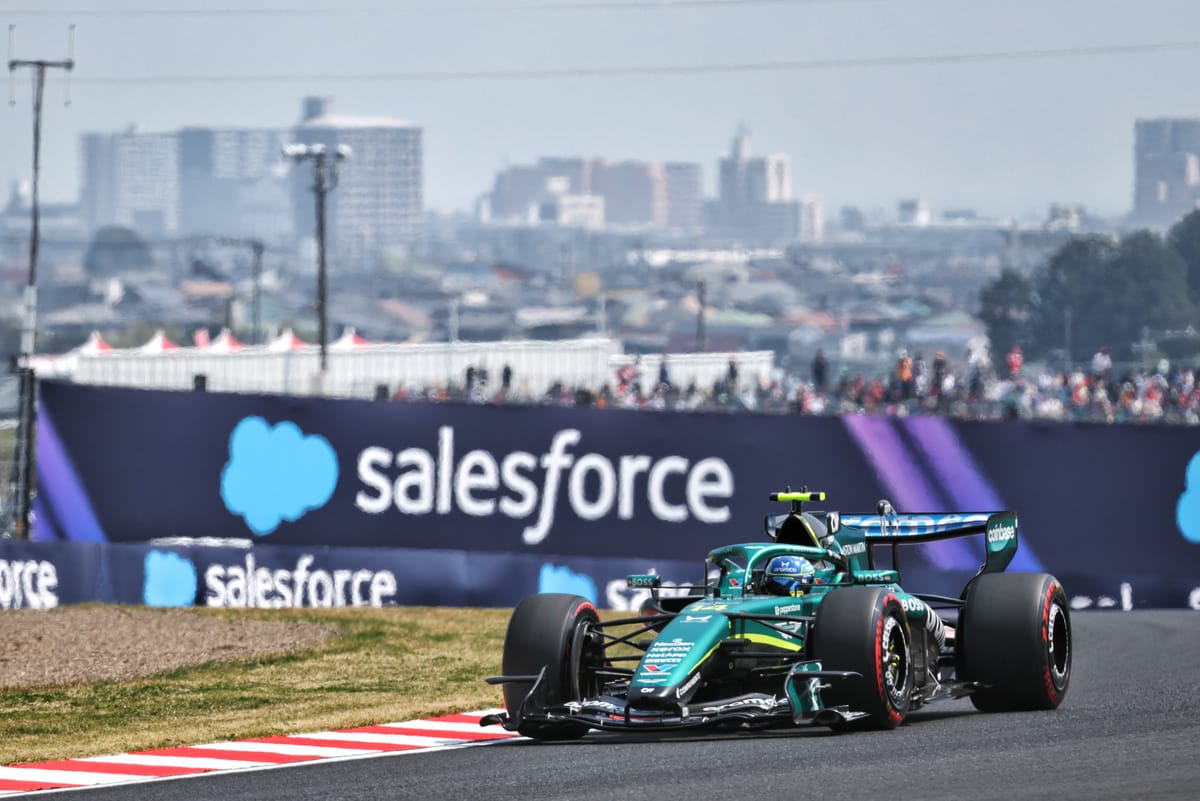
The Soul of Suzuka: How 2026's Energy Handcuffs Are Forcing Drivers Into Psychological Submission
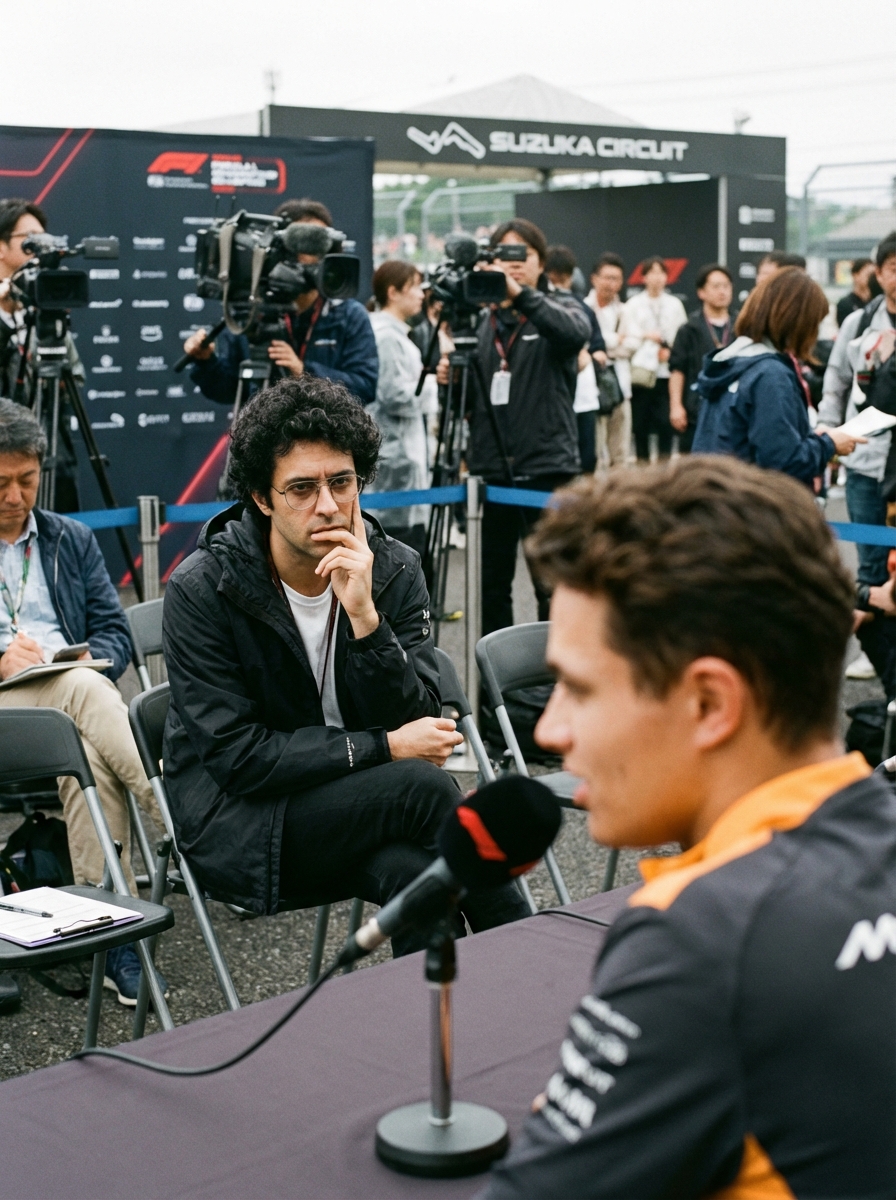
The scream of a Formula 1 engine at the limit is a raw, unfiltered expression of human will. It is the sound of a mind overriding millions of years of evolutionary self-preservation. But at Suzuka this weekend, that scream was replaced by a calculated sigh. The throttle was lifted, not by fear, but by an algorithm. The 2026 regulations, designed to push hybrid technology forward, have instead engineered the driver's spirit into a corner. What we witnessed wasn't racing; it was a mass psychological intervention, forcing the world's most competitive minds into a state of deliberate mediocrity.
The Erosion of Instinct: From Warrior to Accountant
At the heart of this crisis is a fundamental rewiring of the driver's purpose. For decades, Suzuka's esses, Degner, and 130R were temples where instinct was worshipped. Now, as Fernando Alonso so brutally pointed out, they are "charging stations." The high-speed commitment that separated the great from the good has been monetized into an energy currency. The result is a performance paradox that is breaking brains built for speed.
"It hurts your soul," said Lando Norris, a champion whose entire career has been a pursuit of pure velocity. That phrase is not a throwaway comment. It is a clinical diagnosis. When a driver of Norris's caliber speaks of soul-crushing frustration, we must listen. His biometric data from qualifying would likely show not the spiking heart rate of attack, but the flat, anxious line of restraint.
- Alonso's Stark Reality: The two-time champion claimed "50% of the team members" could now drive at Suzuka. This isn't hyperbole. It's the lament of a man who has defined himself by extracting the inaccessible tenth. When the skill ceiling is lowered, the Alonso's of the world are the first to feel the claustrophobia.
- Leclerc's Fractured Focus: Charles Leclerc's radio explosion, calling the qualifying rules "a f**king joke," was the sound of a precise artist whose canvas has been smudged. His later explanation that "consistency is now rewarded over bravery" is the core of the issue. Leclerc's genius is his bravery, his willingness to flirt with catastrophe. The regulations have declared his greatest strength a liability.
- The Antonelli Conundrum: Even pole-sitter Kimi Antonelli, the sport's bright new hope, admitted to feeling "a little bit limited, a bit handcuffed." Imagine the psychological impact on a rookie: your debut season teaches you that to be fast, you must first learn to be slow. It is a lesson in contradiction that could shape a career of compromise.
This shift from warrior to energy accountant is more dangerous than it appears. We are conditioning a generation to distrust their primary impulse: to go faster. It is the systematic suppression of emotion that I have long observed in Max Verstappen's orchestrated dominance, but now applied universally and by rulebook, not by Red Bull's psychologists.
The Wet Weather Prophecy and The Coming Transparency Crisis
This Suzuka debacle is a dry-weather preview of a far more profound crisis to come: the rain. My firm belief is that driver psychology trumps car aerodynamics in wet conditions. The 2026 cars, with their handcuffed energy deployment, will turn a wet race into a farce of management. The decision-making under uncertainty that reveals a driver's core personality—the Hamiltonian calculated risk versus the Verstappenian ruthless commitment—will be neutered by a mandate to harvest.
What does it reveal about a driver when his most courageous move is a lift-and-coast? Nothing. It reveals only that he can follow a pre-programmed delta.
This leads to my second prediction. When the inevitable major incident occurs—a car stranded in the rain, a colossal, energy-managed pile-up—the public and the press will demand to know the mental state of those involved. The current "driver is fine" press release will not suffice. Within five years, F1 will mandate mental health disclosures after major incidents. The sport is creating the very conditions that will necessitate this: races of suppressed emotion that will eventually boil over, either in a moment of catastrophic misjudgment or in a post-race psychological breakdown.
The drivers complaining today are the canaries in the coal mine. Alex Albon and Ollie Bearman confirming that aggressive cornering is punished is not a technical glitch; it is a philosophical one. We are watching the creation of a narrative that will overshadow talent, much as Lewis Hamilton's calculated persona and Niki Lauda's post-crash resilience became their defining stories. The trauma here is not a fiery crash, but the slow, soul-crushing erosion of purpose.
Conclusion: The Manufactured Champion Era Begins
The FIA and teams are reportedly seeking a technical fix. But can they engineer a solution to a crisis of the human spirit? The 2026 regulations risk producing a grid of manufactured champions, where the title is won not by the driver who feels the most, but by the one who best suppresses feeling. The driver who most efficiently becomes a biological component of the energy recovery system.
Suzuka 2026 will be remembered not for a duel, but for a surrender. The circuit's legendary challenges were not bested by human skill; they were neutered by a formula. The question now is whether the sport's regulators are merely tuning parameters, or if they possess the wisdom to recalibrate the very soul of the competition they have inadvertently placed in captivity. The drivers have sounded the alarm. Their lifted throttles are a white flag. Ignoring it won't just change the racing; it will change the racers, forever.