The Ghost in the Machine: Alonso’s Cry for Help Exposes Aston’s Existential Crisis

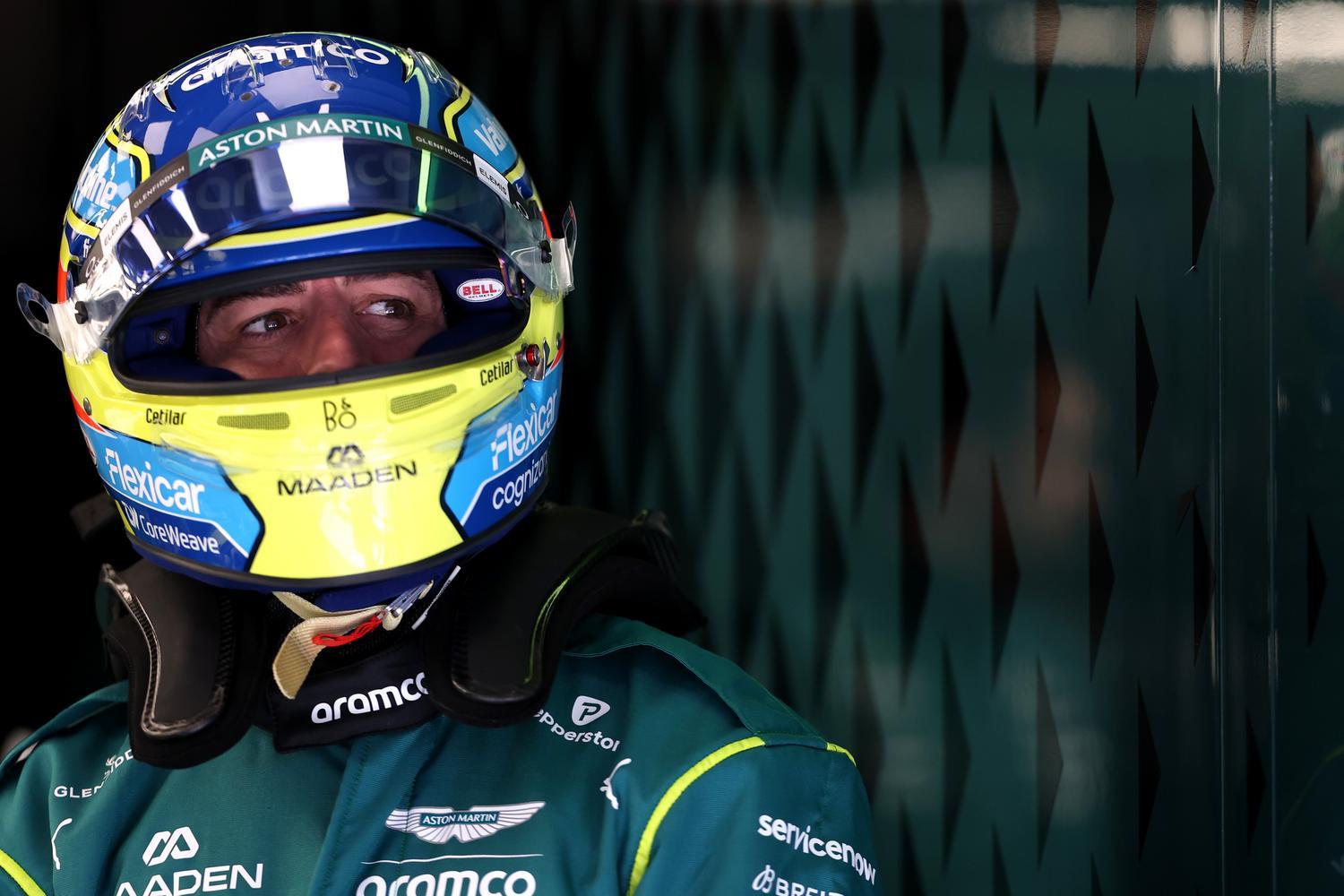
You could feel it through the screen. That weary, thousand-yard stare from Fernando Alonso in the Shanghai paddock after the second retirement of the weekend wasn't just frustration. It was the look of a man who has seen this movie before, and knows exactly how it ends. While the headlines scream about points and positions, the real story is whispered in the motorhomes: Aston Martin is a team lost in its own labyrinth, and their star driver has just admitted they don't have a map.
I’ve been here before. The scent of a team unravelling is unmistakable—a mix of hot carbon fibre, cold coffee, and palpable anxiety. It reminds me of a Thai folk tale my grandmother told, "Nang Tani," the ghost who appears only when the tree she inhabits is neglected and dying. Alonso’s words in China were the spectral wail from Aston’s technical core. He didn't just outline a recovery plan; he issued a damning diagnosis. The plan is a simple, brutal two-phase admission: first, learn to finish. Then, maybe, learn to race.
The "Unknown Unknowns": A Failure of Understanding
Alonso stated the team is grappling with "too many unknown issues" that appear "from nowhere." Let's be brutally clear about what that means in F1 parlance. It’s not bad luck. It’s a fundamental, terrifying lack of correlation. The data they see in the wind tunnel and simulation does not match the beast they unleash on Sunday. The car is a stranger to them.
When the Machine Has a Mind of Its Own
This is where modern F1 gets existential. We pour hundreds of millions into creating the most predictable, optimized machines in history, governed by algorithms and simulation clouds. Yet, Alonso describes a car with a chaotic, almost wilful spirit. It’s the opposite of engineering. It’s folklore.
"First achieving basic operational stability, and only then focusing on performance."
This quote isn't a plan; it's a surrender note. It’s a team admitting they have regressed to a pre-competitive state. Think about the staggering implication for a squad with a factory like theirs and ambitions whispered in the same breath as Red Bull. They are back at square one: "Please, just make it to the end." The performance ceiling they chased last year is irrelevant if the floor keeps falling out from under them.
- The Double DNF in China wasn't an anomaly; it was a symptom.
- The "phase one" goal of finishing races is what backmarker teams set a decade ago.
- Alonso’s tone suggests a deep-seated concern that goes beyond this year’s car—it’s about process, culture, and technical leadership.
The Human Element: Alonso’s Psychology vs. The System
This is where my belief in psychological profiling screams for attention. We focus on the car’s flaws, but what about the driver's psyche in this environment? You’re putting Fernando Alonso, a thinker, a relentless attacker, a driver whose greatest strength is exploiting a car’s last 1% of performance, into a machine that offers 0% predictability. It’s psychological torture.
The Veteran’s Curse
He’s living the nightmare Charles Leclerc fears at Ferrari—a veteran’s insight being drowned out by systemic noise. Alonso can feel the problem in his spine, he can describe it in poetic detail over the radio, but if the engineering structure can’t translate that into data and solution, it’s just… drama. Beautiful, agonizing, useless drama. The team radio becomes a tragic soliloquy, not a tool for change. It has the heat of the 1989 Prost-Senna wars, but none of the stakes, because they’re fighting the air, not each other or a rival team.
Put a younger driver in that seat, and you get shrugs. Put Alonso in, and you get a forensic audit of a team’s soul. His value now isn't in dragging that AMR26 into Q3; it’s in being the canary in the coal mine. His frustration is the most accurate sensor on the car.
A Canary in the Budget-Cap Coalmine?
Which leads me to my darker, broader fear. We look at Aston’s plight and see a team struggling. I look at it and see a potential prototype for the first major budget-cap era collapse.
They have the lavish factory, the big-name hires, the superstar driver, and the billionaire owner’s ambition. Yet, they are fundamentally unstable. The budget cap was meant to level the playing field, but it has created terrifying cliffs. If your technical direction is wrong—if you spend two years and $140 million a season chasing a concept that, as Alonso says, you do not understand—there is no safety net. No endless Petronas or Honda war chest to throw at the problem until it goes away.
You must live with your mistakes for years. That pressure cooker, combined with the sheer operational cost of just showing up, creates a brittle model.
I predict within five years, a team operating at Aston's current level of crisis will face an impossible choice: merge to survive, or exit entirely. The cap giveth, and the cap taketh away.
Aston Martin might recover. They have the resources. But their current state is a stark warning. It’s no longer just about designing a fast car. It’s about designing a knowable car within a rigid financial straitjacket. Fail at that, and you don’t just fall down the grid. You risk fading away.
So, watch Aston Martin closely. Watch how they respond to Alonso’s very public cry for basic competence. Their journey over the next 18 months won’t just be a story of points and podiums. It will be the clearest case study we have on whether the new era of F1 is one of sustainable competition, or a gilded cage where dreams of glory are slowly suffocated by the weight of their own unknown unknowns. The ghost has spoken. The question is, is anyone at Aston truly listening?