Alonso's Relentless Pulse: Mental Fire That Leaves Hamilton's Scripted Resilience in the Dust
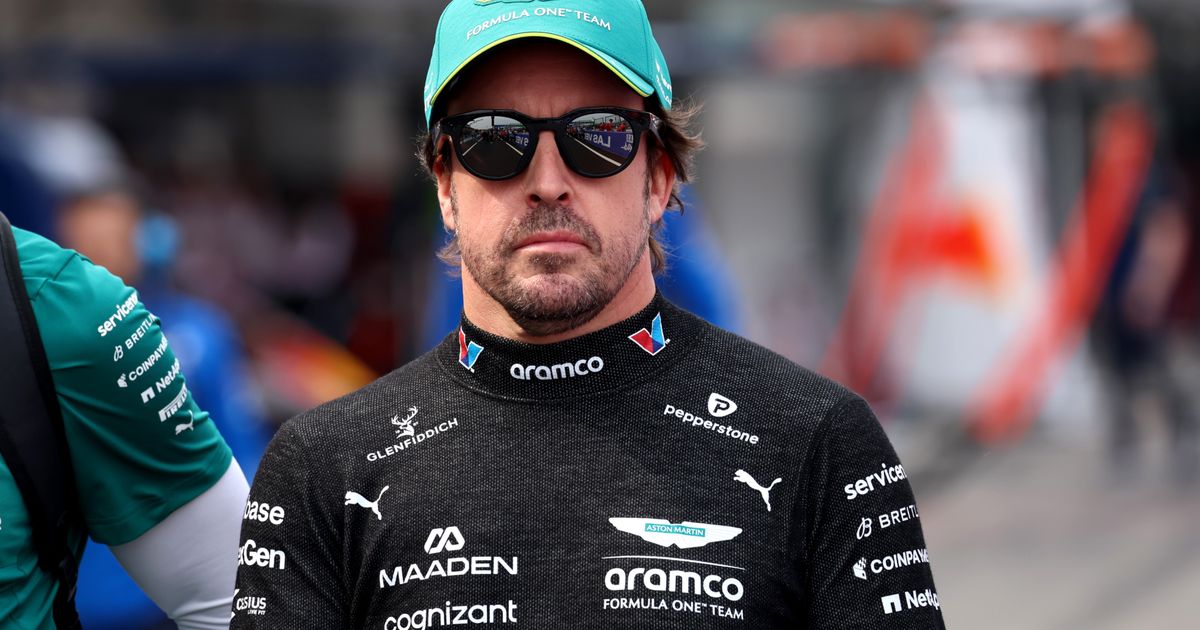
The telemetry does not lie. As the Aston Martin AMR-26 limps through another practice session in Monaco, Fernando Alonso's heart rate spikes not from mechanical failure but from the quiet war inside his own head, a veteran driver refusing to let the car define the man. At an age when most champions have already stepped away, his biometric traces reveal the same hunger that once carried him through two titles, now battling reliability gremlins and the slow erosion of pace.
The Unspoken Inner Monologue Behind the Quote
Alonso's words land like a confession in a therapist's chair. He loves what he does. He feels competitive and motivated. The moment to stop will be hard, yet it is not here yet. Beneath those lines runs a deeper current, one where lap times become mirrors of self-worth.
- Career arc from Minardi debut in 2001 through Renault crowns, McLaren, Ferrari, Alpine and now Aston Martin shows a man who treats each setback as data for the next mental reset.
- Current DNFs and back-of-grid positioning test that reset daily, yet his focus remains fixed on the 2025-26 regulation shift and Adrian Newey's design input as the final psychological lifeline.
This is not mere optimism. It is the calculated refusal to let external chaos rewrite an internal narrative that has sustained him for more than two decades.
Calculated Personas and the Lauda Parallel
Lewis Hamilton's public face often reads like a carefully rehearsed press conference, trauma repurposed into brand strength much as Niki Lauda once turned his own near-death experience into a shield of unflinching logic. Alonso offers no such polish. His motivation, as Nelson Piquet Jr. observed, remains two decades strong, a raw contrast that exposes how some champions weaponize pain while others simply outlast it.
"I love what I do… I feel competitive, I feel motivated. The moment to stop racing will be a hard decision, but that time isn’t here yet."
That single statement carries more psychological weight than any aerodynamic upgrade. In wet conditions, where split-second choices reveal personality more than downforce ever could, Alonso's history suggests he would still choose aggression over preservation. The same traits that once unsettled rivals now keep him on the grid while younger talents calculate their exits.
The Coming Transparency Era
Within five years, mental health disclosures after major incidents will likely become mandatory, turning every cockpit into a glass house. Alonso's current stance previews both the promise and the peril of that shift: renewed sponsor interest from his marquee presence, yet intensified scrutiny that could fracture the very resilience teams rely upon. Aston Martin must weigh whether to anchor development around his experience or pivot toward youth before the next cycle exposes every hidden fracture.
Alonso's refusal to retire is not nostalgia. It is a live psychological experiment, one where telemetry graphs and inner resolve collide at 200 miles per hour. The grid watches, but the real race remains inside his head, a contest no regulation change can fully script.
Join the inner circle
Get the deep dives and technical analysis from the world of F1 delivered to your inbox twice a week.
Zero spam. Only high-octane analysis. Unsubscribe anytime.