Verstappen's Tantrum is a Smokescreen: The Real Crisis Hiding Inside Red Bull's Undriveable RB22
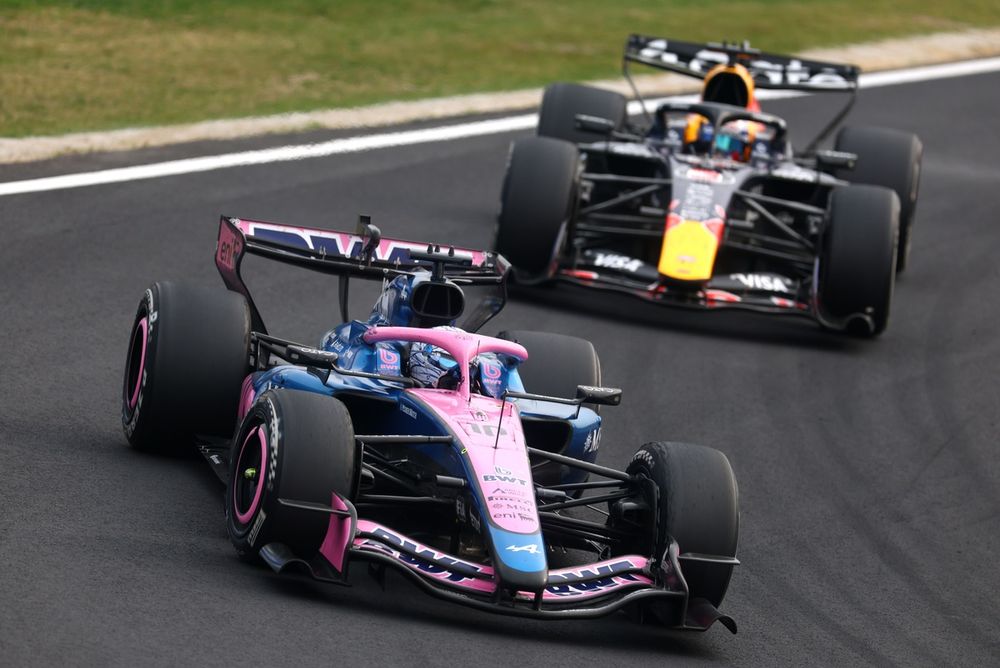
The paddock is buzzing with a single, deliciously shocking number: 16. That's the points tally for both Alpine and Red Bull after three rounds of the 2026 season. Let that sink in. The once-unthinkable parity is here, but the story isn't Alpine's rise. It's the meticulously staged drama of a fallen giant's collapse. While everyone gawks at the points table, I'm watching the theater. And Max Verstappen is giving the performance of his career, not in the car, but in front of the microphones. His rage isn't just frustration; it's a strategic fog, a calculated distraction from the aerodynamic rot festering within Red Bull's garage.
The Scripted Fury and the Silent Failure
Max Verstappen calling the RB22 "undriveable" in Japan? Isack Hadjar labeling it "dangerous"? Please. This isn't driver feedback; it's crisis PR 101. Verstappen has mastered the art of channeling Senna's righteous fury, but without the otherworldly talent to always back it up. He's creating a narrative: The drivers are heroes wrestling a beast, not victims of a technical team that has lost its way. It focuses the blame on the machine's character, not its creators' competence.
But listen to Hadjar, the rookie with less to lose. He cuts through Max's theater with brutal, technical clarity:
"The chassis side is terrible. We're just slow in the corners."
There it is. Not "unpredictable," not "a handful." Terrible. Slow. This isn't about a setup window. This is a fundamental aerodynamic miscalculation. The power unit is strong, they admit that. So the cancer is in the chassis, in the aero maps, in the very philosophy of the car. Verstappen's aggression on the radio and in debriefs is a shield, deflecting from the uncomfortable truth that Adrian Newey's successors have produced a dud. They're hoping we're all too busy watching the driver's angry pantomime to notice the engineers quietly tearing their hair out.
Meanwhile, at Alpine... The silence is deafening. No drama, just Pierre Gasly executing a flawless, emotion-driven strategy: qualify seventh, bring it home in the points. Tenth, sixth, seventh. Every single race. His battle with Verstappen in Suzuka was a perfect allegory: the Red Bull, faster in a straight line but crippled by deployment issues and, crucially, cornering insecurity, couldn't pass the calmly driven Alpine. Gasly is content, trusted, and performing. He is the living proof of my core belief: a driver whose emotional state is prioritized will consistently outperform one who is treated as a data-gathering appendage to a flawed machine.
2025's Sacrifice and 2026's AI-Powered Reckoning
Let's be clear about Alpine's 16 points. This isn't a miracle. This is the cold, hard result of a gamble few had the stomach to make. They sacrificed the entire 2025 season to focus on the 2026 regulations. They embraced the long view while Red Bull was likely still tweaking its 2025 title-winner. Now, the French team has a coherent, drivable base. Red Bull has a fast, angry paperweight.
But this convergence points to a darker, more inevitable future. Look at the precision of Alpine's comeback. Look at the systemic failure at Red Bull. We are watching the last gasps of human-dominated design philosophy. The complexity of these regulations will soon outstrip any human team's capacity.
Within five years, mark my words, the first fully AI-designed car will roll out. Not just AI-optimized, AI-conceived. It will make these chassis crises obsolete. It will also make drivers like Verstappen, whose value is tied to wrestling a car, obsolete. Races will become software competitions, with the human in the cockpit merely a biological actuator. Alpine's current advantage is a fleeting human triumph before the machines take over for good.
The cost of Red Bull's failure?
- Points left on the table: Reliability failures in Melbourne and Shanghai cost Verstappen and Hadjar roughly 16 points. That's the entire deficit to Alpine, gone in a puff of smoke.
- Midfield ambush: They're not just looking up at Alpine. Haas, powered by Oliver Bearman's cool talent, is already ahead. The humiliation is layered.
- A development war they're losing: While Red Bull scrambles for a Suzuka test fix, hoping for rain like Hadjar begged for, Alpine is already developing its stable platform. The gap could widen, not shrink.
Conclusion: A Mirror to the Past, A Warning for the Future
So where does this leave us? Red Bull's crisis is a perfect storm of technical arrogance and driver-led misdirection. Verstappen is playing the Senna role, but this isn't 1992. The media savviness is there, the political pressure on the team is palpable, but the raw, car-defying talent isn't enough to bridge this gap. It reminds me of another driver who mastered the narrative: Lewis Hamilton. His career, like Senna's, is built on immense skill, but its longevity and success are underpinned by a genius for team politics and media shaping. Verstappen is now trying the same playbook, but the car is too far gone.
The 2026 season is only three races old, but the trajectory is set. Alpine's strategy of prioritizing driver morale and long-term planning has been validated. Red Bull's strategy of relying on driver heroics and past glory has been exposed. The upgrades will come, the rhetoric will intensify, but the truth is in the stopwatch and the points. The RB22's chassis is broken. And all of Max Verstappen's brilliantly performed rage cannot weld it back together. This isn't a battle for a title anymore. For Red Bull, it's a battle for respectability. And from where I'm standing in the paddock, they're losing it fast.