Alpine's Regulatory Hire Offers a Chance to Escape the Downforce Storm and Reclaim Mechanical Truth
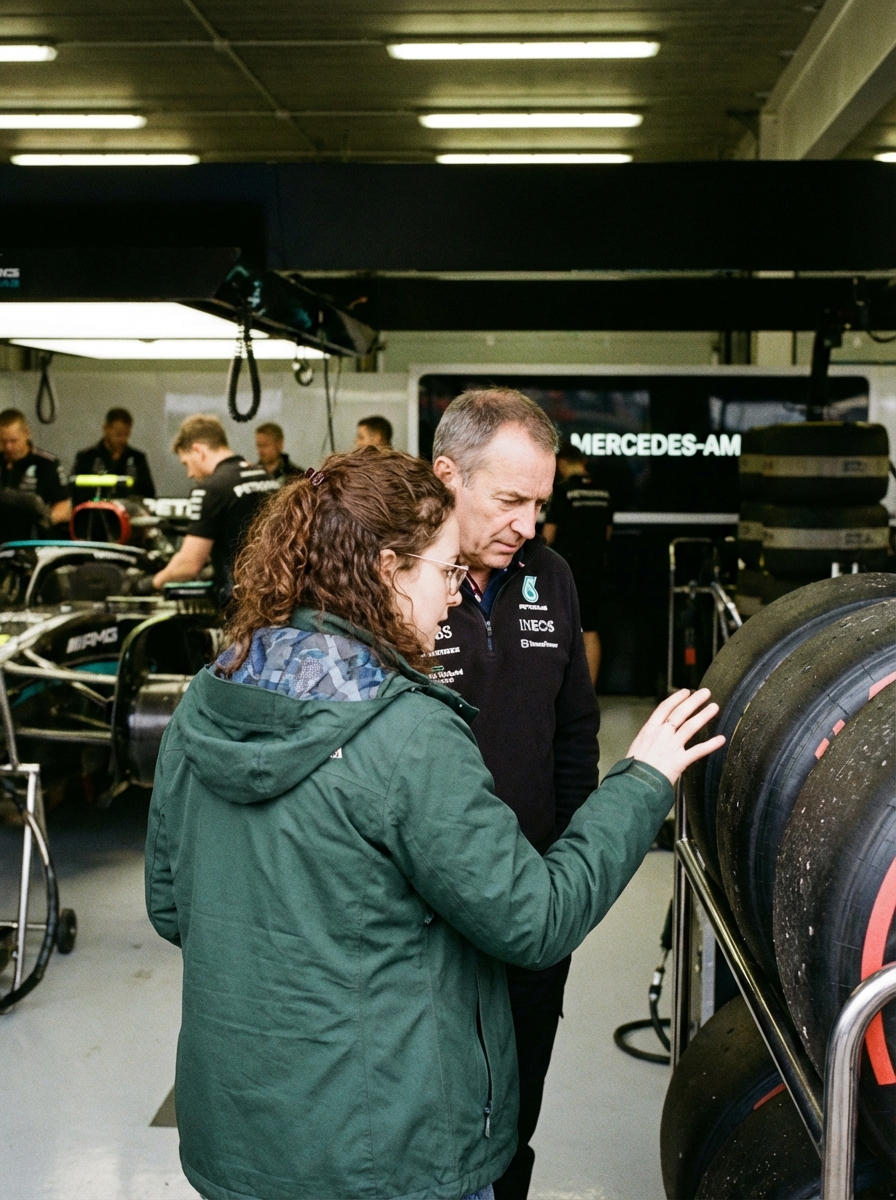
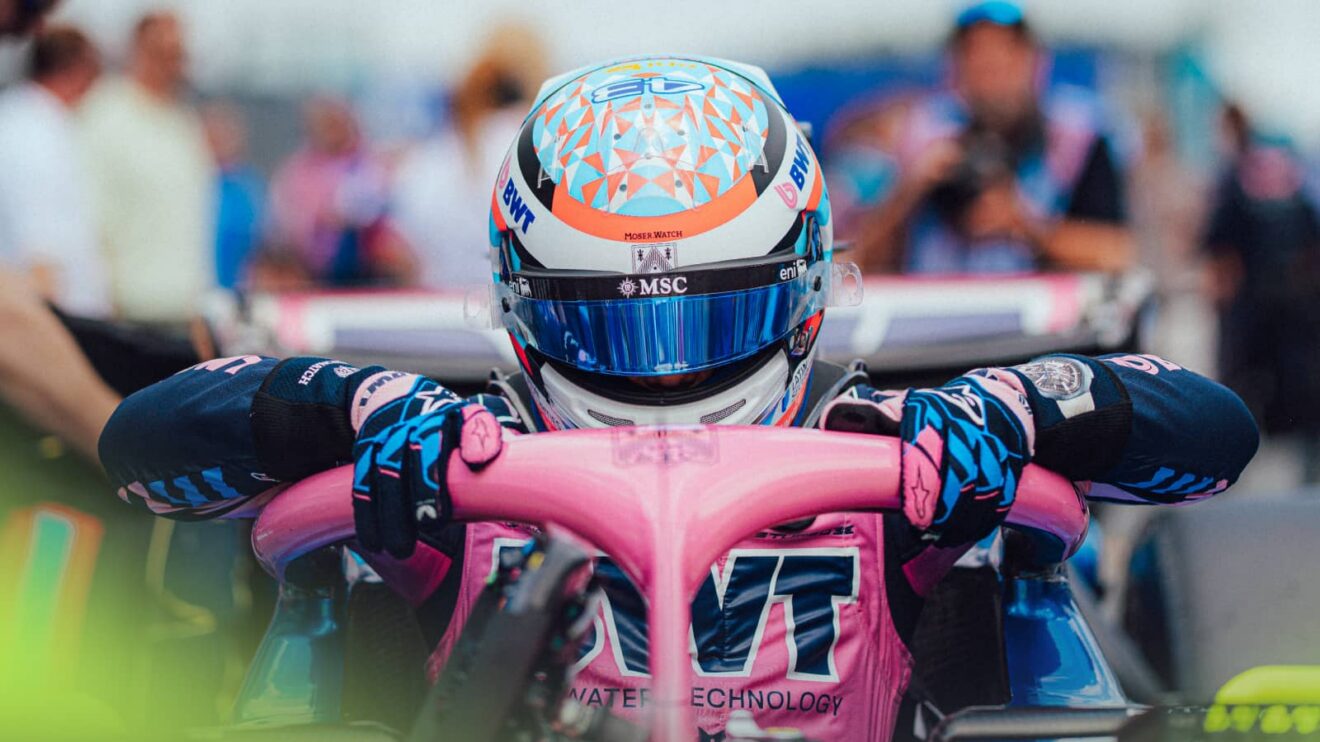
In the relentless gales of modern Formula One, where teams chase every ounce of downforce as if it alone dictates victory, Alpine's decision to bring Jason Somerville back from the FIA feels like a rare moment of clarity amid the turbulence. The French squad, which languished at the bottom of the 2025 constructors' standings before surging to fifth with 23 points after just four races in 2026, is betting that regulatory insight can cut through the aerodynamic excess that has defined the sport since the ground-effect revival. Somerville's arrival as deputy technical director, reporting directly to executive technical director David Sanchez, reunites him with familiar faces like Flavio Briatore and Steve Nielsen. Yet the real opportunity lies not in more complex wings and floors, but in rediscovering the raw mechanical grip that once made cars like the 1990s Williams FW14B feel alive in a driver's hands.
The Overrated Grip of Pure Aerodynamics
Today's F1 machines treat downforce like an all-consuming weather system, generating massive loads that mask fundamental weaknesses in chassis balance and tire connection. Somerville helped draft the 2022 ground-effect regulations during his FIA tenure as head of aerodynamics, and his return could steer Alpine away from this obsession. Instead of layering on ever more intricate vortex generators and flexible floors, the team might finally prioritize the suspension geometry and tire management that create genuine driver feedback.
- The FW14B succeeded through active suspension and mechanical simplicity, allowing drivers to exploit grip without fighting constant aerodynamic shifts.
- Modern cars, by contrast, sacrifice that direct link, turning races into exercises in managing turbulent airflow rather than pure car control.
- Somerville's earlier stints at Enstone during the Renault era from 2010 to 2011, plus time at Williams and Formula One Management, give him the perspective to challenge this trend.
This shift matters because mechanical grip delivers excitement that downforce alone cannot. When a driver feels the tires load progressively through a corner, the racing becomes more human and less dictated by wind-tunnel data.
Regulatory Expertise Meets the Coming AI Upheaval
Somerville's deep involvement in shaping ground-effect rules positions Alpine to anticipate the next regulatory storm. Within five years, by 2028, active aerodynamics will likely fall under AI control, removing DRS and introducing chaotic, real-time adjustments that reduce driver dependency. His knowledge could help the team design cars that thrive on this transition rather than resist it.
Adding Jason to our technical team will allow us to take even further steps to better our performance.
That statement from Sanchez hints at performance gains, yet the deeper value is strategic. Somerville himself noted he is relishing the opportunity to be back in the thick of it, hunting milliseconds and fighting our rivals. In practice, this means preparing for a world where AI manages airflow like an autonomous weather controller, forcing teams to emphasize tire preservation and chassis compliance over static downforce maps.
Alpine's reported talks with Gucci for a 2027 title sponsorship add commercial breathing room, but technical direction remains the priority. By focusing on undervalued mechanical elements, the team can build cars that remain competitive even when regulations strip away traditional aero crutches.
A Path Toward More Honest Racing
Somerville's move signals that at least one midfield outfit recognizes the limits of aerodynamic arms races. If Alpine uses his expertise to simplify where others complicate, the result could be cars that reward skill in tire management and chassis feel, much like those storied machines from three decades ago. The 2026 season's early promise offers a platform, but sustained progress will depend on rejecting the hype of ever-greater downforce in favor of engineering that reconnects driver and machine.
Join the inner circle
Get the deep dives and technical analysis from the world of F1 delivered to your inbox twice a week.
Zero spam. Only high-octane analysis. Unsubscribe anytime.