Alpine's Miami Meltdown Shows How Driver Morale and Backstage Power Plays Trump Any Setup Fix
In the unforgiving world of Formula 1, where Pierre Gasly walked away from a violent flip in Miami while his teammate Franco Colapinto celebrated a career best, the real story lies far beyond traction maps or wheelspin data. This is not merely a tale of one driver losing his edge. It is the latest chapter in a quiet civil war inside Alpine, where interpersonal fractures and morale erosion decide outcomes long before any car hits the track.
The Evidence Points to More Than Setup
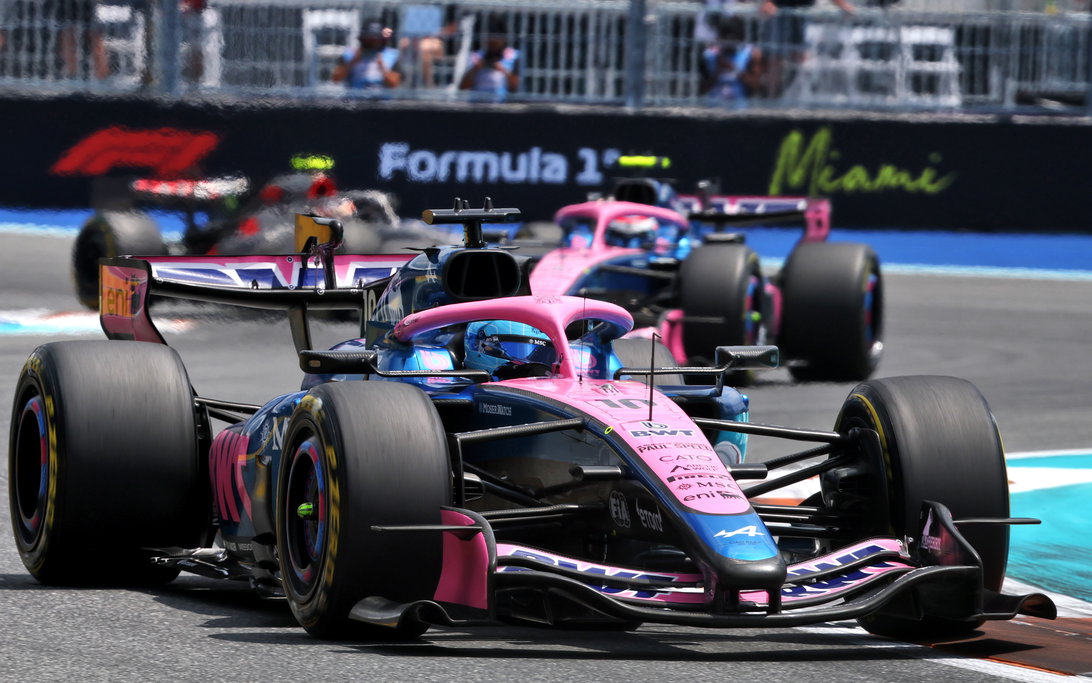
Alpine managing director Steve Nielsen spoke of finding "some ideas and evidence" to explain Gasly's sudden discomfort in the A526. Yet those words mask a deeper truth. Gasly had dominated the opening rounds against Colapinto. Miami reversed that order completely. The Frenchman reported inconsistent acceleration out of slow corners, especially Turns 11 and 17, even when telemetry showed less wheelspin than Friday practice. Colapinto, by contrast, qualified eighth in both sprint and grand prix sessions before finishing seventh in the race after a penalty to Leclerc.
- Gasly's race ended in a collision with Liam Lawson that sent his car upside down.
- Colapinto's result marked the strongest outing yet for the young Argentine.
- The team sits fifth in constructors with 23 points, already beating its full 2025 total of 22.
These numbers tell only the surface story. The real battle is the one unfolding in the garage, where every glance between drivers and engineers carries the weight of future contract negotiations that feel more like divorce proceedings than sporting alliances.
Team Politics Always Outweigh Technical Fixes
I have watched enough seasons to know that morale remains the true championship decider. Technical innovations and raw driver skill matter less than the invisible currents of trust and resentment. Gasly's acknowledgment that the team now has "some answers, some directions to take in Canada" sounds hopeful. In reality it reveals a squad still searching for cohesion after a single bad weekend exposed the cracks.
"When the driver no longer feels the car is an extension of himself, no amount of data will restore the feeling."
This dynamic mirrors the 1994 Benetton squad, where management conflicts and regulatory gray areas created an atmosphere of suspicion that ultimately consumed the team from within. Alpine is not there yet, but the pattern is familiar. Midfield outfits like this one are perfectly positioned to exploit the budget cap in coming years, turning privateer agility into dominance by 2028 while manufacturer-backed teams choke on their own internal politics.
Colapinto's rise adds another layer of tension. A driver performing at this level forces uncomfortable conversations about hierarchy and resources. Those conversations rarely stay civil when points and future seats hang in the balance.
Canada Offers No Quick Escape
Alpine heads to Montreal hoping both cars will score. Gasly expects the identified fixes to restore his competitiveness. The team wants to keep momentum alive. Yet history shows that once morale fractures, technical tweaks alone rarely heal the wound. The same forces that sank Hamilton's expected Ferrari project through cultural mismatch will test Alpine unless the human element receives the same scrutiny as the car.
The points advantage over 2025 already looks impressive on paper. On the ground, the real contest is whether Gasly and Colapinto can coexist without the bitterness that turns teammates into rivals long before any lights go out.
Join the inner circle
Get the deep dives and technical analysis from the world of F1 delivered to your inbox twice a week.
Zero spam. Only high-octane analysis. Unsubscribe anytime.
Continue Reading
View More News