The Ghost in the Machine: How F1's 1000hp Monsters Are Testing the Minds They Were Built to Serve
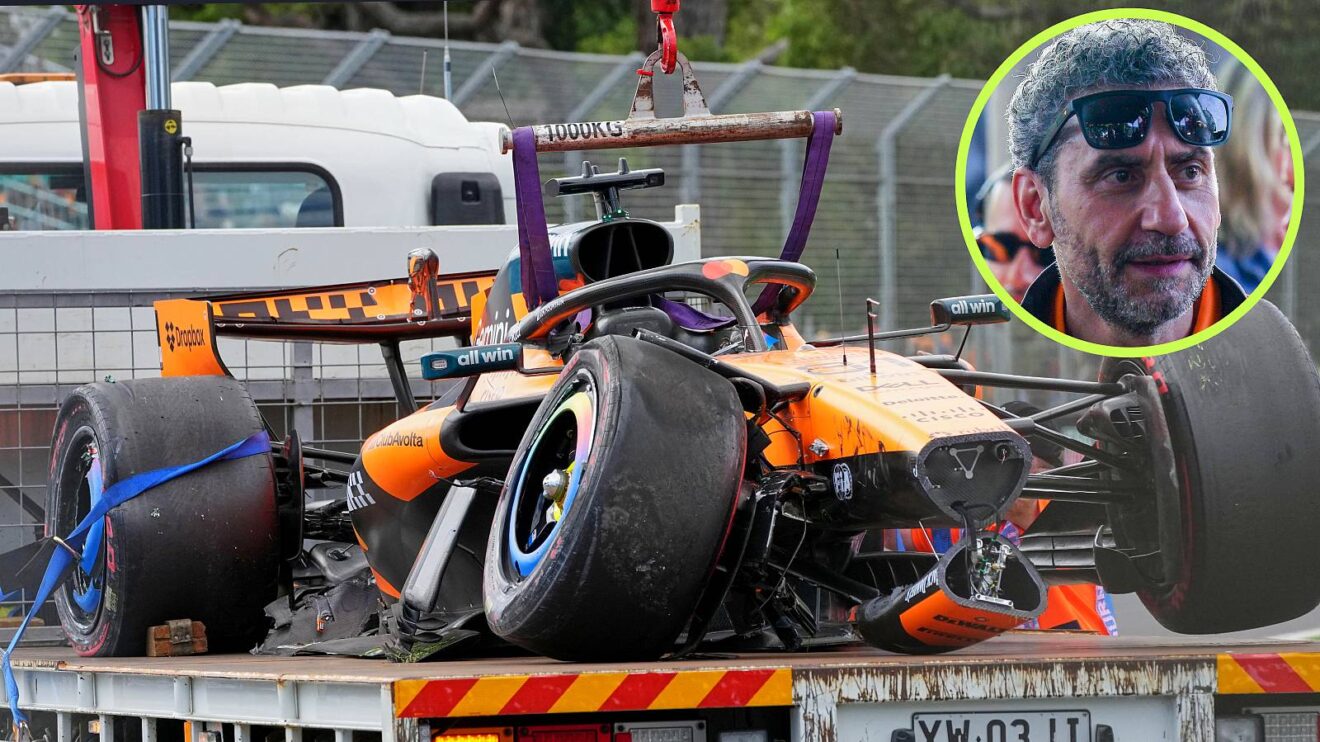
The crash happens before the story does. Before the lights, before the glory, before the first data point is logged in the race ledger. Oscar Piastri, a driver of preternatural calm, is reduced to a passenger in his own machine, the McLaren kissing the Melbourne wall in a prelude of crumpled carbon fiber. The official report will speak of cold tires, of a kerb, of an aggressive power spike. But in the silent, gut-wrenching moment between control and chaos, what fractures? The suspension? Or the meticulously constructed confidence of a young man programmed to believe the machine is an extension of his will?
Andrea Stella, the engineer, correctly identifies the perfect storm of physics. But I, Hugo Martinez, look at the storm inside the helmet. For when a car becomes unpredictable, it ceases to be a tool and becomes a psychological opponent. The new-generation power units, with their 1000+ horsepower and oscillating torque, aren't just engineering challenges. They are the newest, most potent variable in the high-stakes mental game of Formula 1.
The Illusion of Control Shattered
Piastri’s explanation is a masterclass in technical composure, a driver translating visceral terror into clean data: a sudden, unexpected spike of approximately 100 kilowatts of extra power. He is careful, precise. It was a normal function of the engine under the current rules, not a malfunction. This is the chilling part. The betrayal is by design.
- The Trigger: A familiar kerb, a routine exit. The muscle memory is laid down over hundreds of laps. The brain expects a certain response. The new power unit delivers another—a violent, algorithmic surge during a gear shift.
- The Cascade: Cold tires (already a leap of faith), lateral load, and then this digital kick. The subconscious calculation, the one that happens faster than thought, is rendered obsolete. The car is no longer a partner in the dance; it has its own rhythm, and for a millisecond, it leads.
- The Pattern: This was not an anomaly. Kimi Antonelli’s brutal FP3 crash. Max Verstappen’s uncharacteristic qualifying spin. Melbourne became a clinic in shattered illusions. These are not drivers prone to lapses in basic car control. They are victims of a new paradigm where the machine’s behavior has a volatile, software-driven edge that cold tires and adrenaline cannot compute.
"The crashes are a very material indication that there’s work to do," Stella stated, in the understated language of the paddock. He is speaking of regulations. I hear a warning about trust. How many times can a driver be punished for doing what he is paid to do—push the limits—before he develops a flinch? A micro-hesitation on throttle application that costs two-tenths a lap? That is where races are lost.
Psychology in the Age of Algorithmic Oversteer
Here is where the sterile technical discussion fails. We can map torque curves until the servers overheat, but we cannot map the psychic scar left by an unpredictable machine. This exposes the core vulnerability in F1’s modern ethos: we engineer the car relentlessly, but we assume the driver’s mind is a static, resilient component.
Lewis Hamilton and Niki Lauda built their legends not just on speed, but on publicly wrestling with the trauma their machines inflicted upon them. Their psychology became part of their armor. Today’s drivers are coached to project invulnerability. Verstappen’s once-fiery temperament has been systematically cooled, a psychological calibration as deliberate as any engine map, making him a relentless, almost robotic force. But what happens when the robot’s car behaves irrationally? The suppressed frustration, the internalized shock—it has to go somewhere.
- Wet Weather as the Ultimate Litmus Test: My belief that driver psychology trumps aerodynamics in the rain is magnified here. In the wet, the driver is already negotiating a contract of trust with a slippery surface. Add a power unit that might deliver its 1000hp in a sudden, staccato burst rather than a smooth wave, and the cognitive load becomes unbearable. The decision-making under this layered uncertainty doesn’t reveal talent; it reveals core personality. The gambler versus the calculator. The one who trusts feel versus the one who needs predictability.
- The Coming Transparency: Stella’s call for a regulatory examination is necessary. But it is a stopgap. Within five years, I believe we will see mandates for mental health disclosures after major incidents. A driver like Piastri will not just be examined for physical concussion, but for psychological tremor. This will be an era of necessary transparency, yes, but also of immense risk. Will a driver admit to a crisis of confidence if it gives a rival team, or a hungry media, a weapon? The narrative of the "unshakeable" champion will be harder to maintain.
Conclusion: Taming the Beast Within and Without
The journey from Melbourne to Shanghai is not just a 10-hour flight. For Oscar Piastri, it is a journey back into a cockpit that, for one terrifying moment, ceased to be his. Stella expresses full confidence in his driver’s resilience, and Piastri will undoubtedly bounce back. He is too gifted not to. But he will carry a new piece of data: the knowledge that the machine has a will of its own.
The F1 community will, as Stella urges, examine the regulations. They will smooth torque maps, adjust deployment parameters. They will engineer a solution. But the human element—the memory of the crash, the subconscious anticipation of the next betrayal—that cannot be coded out. The new power units have done more than increase horsepower. They have introduced a seed of doubt. And in a sport where conviction is the true fuel, that may be the most powerful, and dangerous, upgrade of all.
The 1000hp monsters are here. The question is no longer if we can build them, but if the minds inside can truly, ever again, feel safe to tame them.