The Omen and the Office: Antonelli's Pole Proves Mercedes' Morale is the Real Title Contender

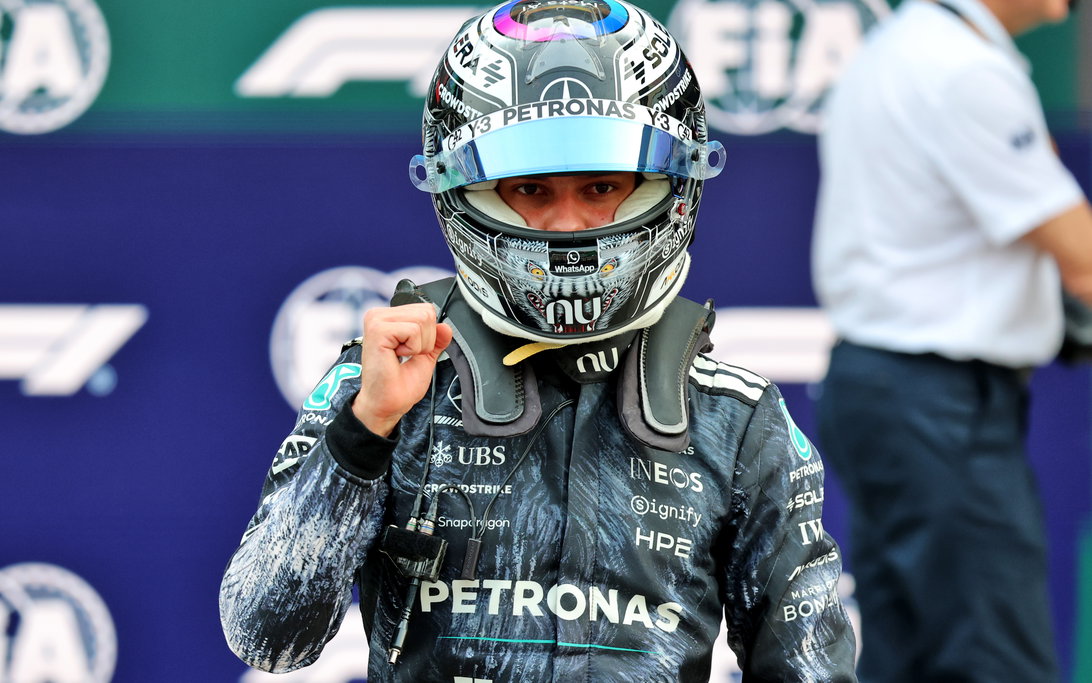
The data analysts at Brackley will be drowning in sensor readings tonight, but the only number that matters was printed on a calendar. March 28th. In the cold, logical world of Formula 1 engineering, a date is just a coordinate in time. In the feverish, superstitious, and politically charged paddock I operate in, it’s a loaded die. Kimi Antonelli didn’t just take pole position in Shanghai; he signed a blood pact with history. By setting the fastest lap on this specific date, the Mercedes rookie has waltzed into a club with a 100% conversion rate: its four previous members—Lauda, Prost, Schumacher, Hamilton—all won the title that very year. The statistic is a fairy tale. The reality is a masterclass in team dynamics, and it reveals where the true power in this 2026 season lies.
The Statistic is a Smoke Screen for the Real Battle: Team Morale
Let’s be brutally honest. A car doesn’t know what day it is. But a team of 1500 people? They live and die by narratives. Antonelli’s pole, snatching it from the established George Russell, isn’t about a fluke of the calendar. It’s about a seismic shift in the Mercedes garage. For years, we’ve seen how interpersonal dynamics strangle performance. Remember Hamilton and Rosberg? The tension was a tangible component in that car, heavier than any upgrade. Now, look at Ferrari.
Hamilton’s doomed pilgrimage to Maranello is the perfect counterpoint. His activist, brand-first persona is grinding against Ferrari’s ossified, conservative culture like sand in a gearbox. The performance isn’t on the track yet; it’s in the whispered arguments over marketing commitments and design philosophy. That internal strife is a tax no budget cap can account for.
Meanwhile, at Mercedes, Antonelli’s ascension has created a positive shockwave. The "chosen one" narrative, now blessed by this March 28th omen, has given the entire operation a jolt of destiny. Toto Wolff isn’t just managing two drivers; he’s curating a phenomenon. The energy is focused outward, at Red Bull and Ferrari, not inward. This is what wins championships in the modern era: not just a fast car, but a harmonious hive mind. The technical innovation is secondary. I’ve seen it before. The 1994 Benetton wasn’t just fast because of its illegal traction control or refuelling rig; it was a fortress of us-against-the-world morale, where internal conflicts were buried under a collective siege mentality. Mercedes is building that same fortress, but with omens instead of allegations.
The Budget Cap Era Makes This a Privateer's Game, and Mercedes is Playing It
Here is where my sources in the financial offices start whispering. The March 28th club is a list of legends, but it’s also a relic of an unfettered spending war. That era is gone. The 2026 budget cap is the great leveller, and the teams that will dominate by 2028 are the ones learning to exploit its grey areas now. The manufacturer teams—Ferrari, the Renault-backed Alpine, Honda with Red Bull—are bureaucratic tankers. The privateers? Mercedes (despite its name, it’s a works team run like a ruthless private entity), Aston Martin, Alpine’s restructuring core—they are agile pirates.
- Aston Martin is already funnelling "heritage" projects into performance.
- Alpine’s latest restructuring is a brutal, cap-compliant efficiency drive.
- Mercedes, under Wolff, treats the cap like a puzzle to be solved, not a limit to be obeyed.
Antonelli’s pole is a product of this environment. His rookie salary is a fraction of what a veteran champion commands, freeing up millions for that marginal gain in the simulator department or a secret materials research project. He is the ultimate budget-cap asset: blindingly fast and relatively cheap. Investing in him isn’t just a sporting decision; it’s a financial loophole. This is how the midfield teams will claw their way to the top. They will win not by outspending, but by out-thinking, and by having a driver lineup that is both potent and fiscally efficient. The March 28th statistic is glorious history, but Antonelli’s contract is the future.
Conclusion: Destiny is a Story You Choose to Believe
So, does the date mean Antonelli will be champion? In a literal sense, no. The Chinese Grand Prix still must be won. Twenty-two races of mechanical and political warfare remain. But what this omen has already done is more powerful. It has written Mercedes’ season narrative in indelible ink. It has handed a rookie the psychological armour of history and given a team emerging from a slump a story to believe in.
Watch Ferrari. Watch the tension between Hamilton’s world and the Old Way. That is a team writing a tragedy. Mercedes, with its young prince anointed by calendar and cap, is writing a saga. In my two decades of watching politics masquerade as sport, I’ve learned one thing: the team that believes its own story the hardest is usually the one holding the trophy at the end. The statistic is a curiosity. The belief it has ignited in Brackley? That’s the championship-winning fuel. And unlike Benetton in '94, this time, it’s perfectly legal.