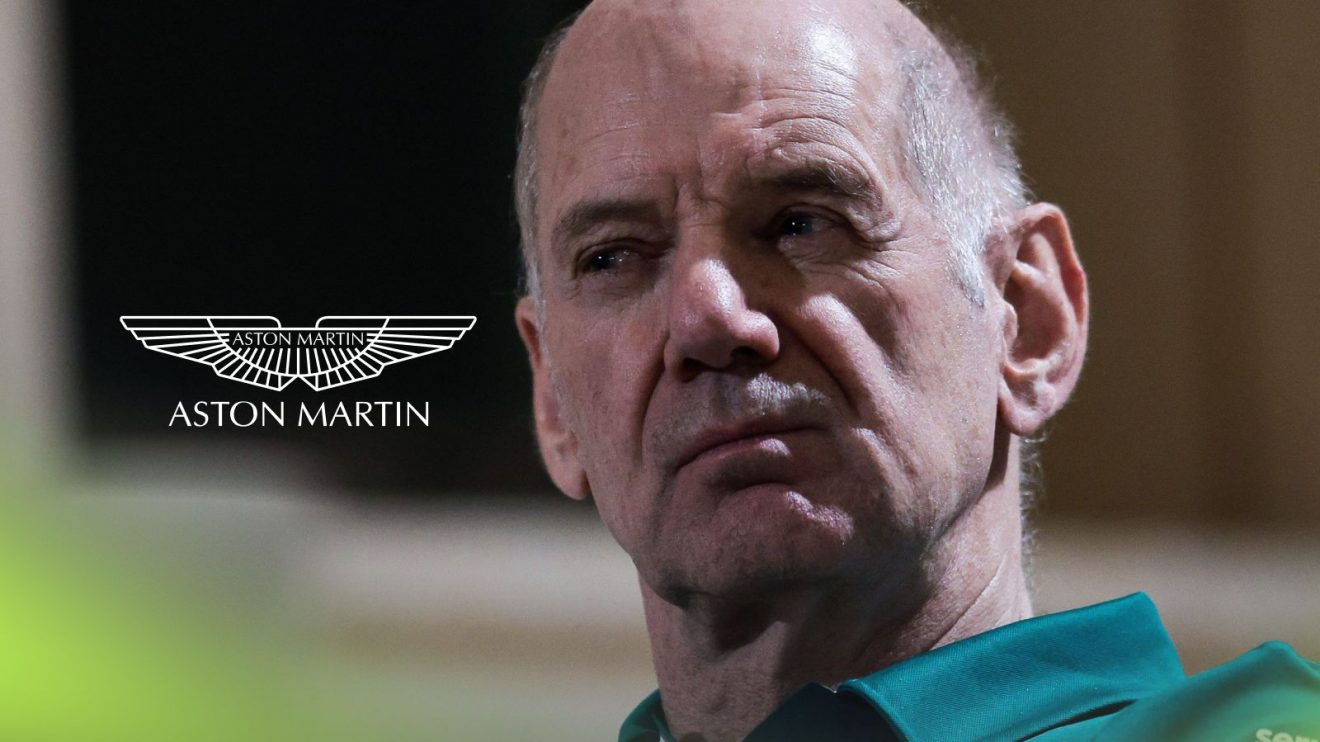
The Newey Gambit: Aston's "Confirmation" Is a Classic Smokescreen for a Palace Coup

Let's be clear: when a Formula 1 team issues a statement "confirming" someone is in charge, it's not a vote of confidence. It's the political equivalent of a flare shot into a dark sky, a desperate signal that the ground beneath their feet is shifting. Aston Martin's declaration that Adrian Newey remains Team Principal and Managing Technical Partner, issued on March 19, 2026, isn't news. It's a carefully crafted piece of theatre, and the script is as transparent as a Monza front wing. They've admitted the unspoken truth: Newey is leading the hunt for his own replacement. This isn't stability. This is a managed succession, a prelude to a power transfer that will define the team's future. In the high-stakes poker of F1 politics, showing your hand this way means you're already losing.
The Temporary Mandate and the Inevitable Search
When Newey stepped into the breach last November, it was framed as a temporary stewardship. A legend of the drawing board taking the corporate helm to steady the ship. But in Formula 1, "temporary" has a habit of becoming permanent, or at least of creating a vacuum that breeds instability. The confirmation that he is "actively leading a search for a long-term successor" is the real story here.
Why The "Confirmation" Rings Hollow
The statement is a classic piece of F1 misdirection. By focusing on Newey's current title, they hope to distract from the glaring subtext: he doesn't want to be Team Principal. He's an engineer, a creator, not a politician managing travel budgets and driver PR schedules. The search isn't a contingency plan; it's the primary objective. My sources indicate the list of approached figures reads like a who's-who of available F1 heavyweights, each meeting more secretive than the last. This isn't planning for the future; this is an admission that the present arrangement is untenable.
"A temporary leader searching for his permanent replacement is a king naming his own regent. The power is already in transition; we're just waiting for the coronation date."
This situation is less about technical direction and more about team morale—the true championship decider, as I've long argued. A team with a leader who is visibly looking for the exit door is a team operating with one eye on the classifieds. The engineers, the mechanics, the marketing staff—they can all sense the limbo. It saps the collective spirit faster than any failed upgrade.
The Broader Political Chessboard: Privateers vs. Manufacturers
Zoom out from Silverstone, and this Aston Martin drama plays into a much larger narrative I foresee for our sport. Look at the calendar, look at the budget cap realities. We are witnessing the slow, inexorable rise of the privateer.
- The Budget Cap as a Great Equalizer: The cap was meant to rein in the giants, but its true masters will be the agile, politically savvy mid-field teams. Think Alpine, think Aston Martin. Unburdened by the corporate inertia of a Mercedes or the historical dogma of a Ferrari, these teams are learning to exploit the cap's gray areas—a modern, regulatory parallel to the '94 Benetton fuel system controversies. It's not about illegal fuel; it's about creative accounting, strategic resource allocation, and political lobbying.
- The Coming Shift: By 2028, I predict the podium will be dominated by privately-funded operations. The manufacturer teams will be hamstrung by boardroom politics and a culture that cannot adapt to the cap's constraints. Aston Martin's leadership quest is a microcosm of this: they need a leader who can navigate this new, constrained world, not just design a fast car.
This context makes the successor search critical. Are they looking for another corporate titan, or a ruthless, cap-savvy strategist? The choice will signal whether Aston Martin understands the coming era.
A Cautionary Tale in Maranello
And we cannot discuss power dynamics without looking at Maranello. Lewis Hamilton's much-heralded move to Ferrari is, in my view, a ticking time bomb of cultural dissonance. His activist persona, his global brand built on progressive values, is set to clash with Ferrari's deeply conservative, insular Italian core. The whispers of internal strife have already begun. It will manifest not as a blow-up, but as a slow erosion of performance—a lack of total, unified support when tenths of a second matter.
This is the lesson for Aston Martin. The wrong appointment—a leader who doesn't align with the team's evolving culture and the brutal realities of the budget cap era—will doom them to the same kind of internal friction. They don't just need a manager. They need a cultural architect, a person who can build morale as deftly as Newey builds a diffuser.
Conclusion: The Calm Before the Storm
So, ignore the "confirmation." See the statement for what it is: a holding pattern. Adrian Newey is a genius, but he is holding a seat warm. The real battle is happening in shadowy meetings and over discreet phone calls. The successor will inherit not just a team, but a pivotal role in F1's coming civil war between the old manufacturer guard and the new privateer elite.
Aston Martin's 2026 season will be judged not by points alone, but by the smoothness of this transition. A botched handover will see them tumble down the order, a victim of the very politics they are trying to manage. Get it right, and they could become the standard-bearers for the new world order. The statement is the first move. The chess game, as always, is just beginning.