Aston's Bahrain Disaster Is the Perfect Distraction From Red Bull's Hidden Cracks
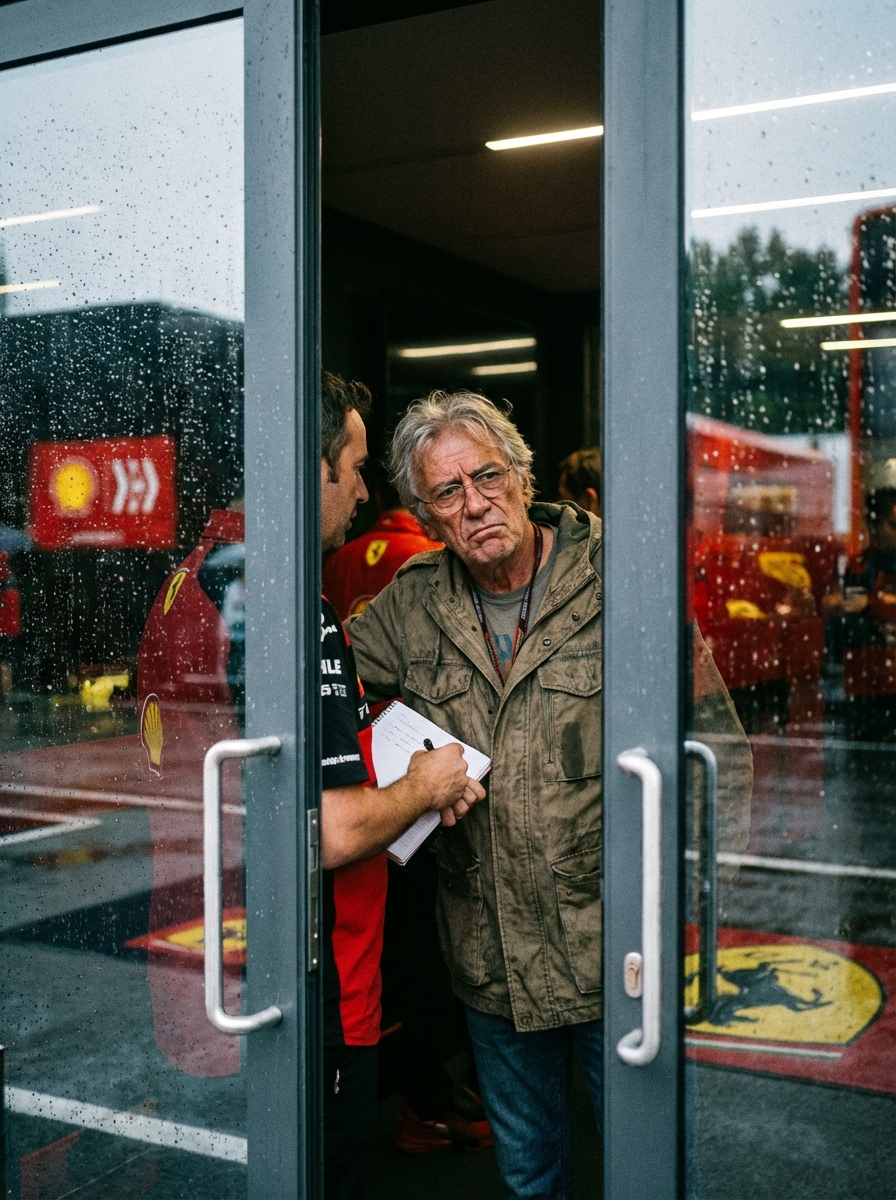
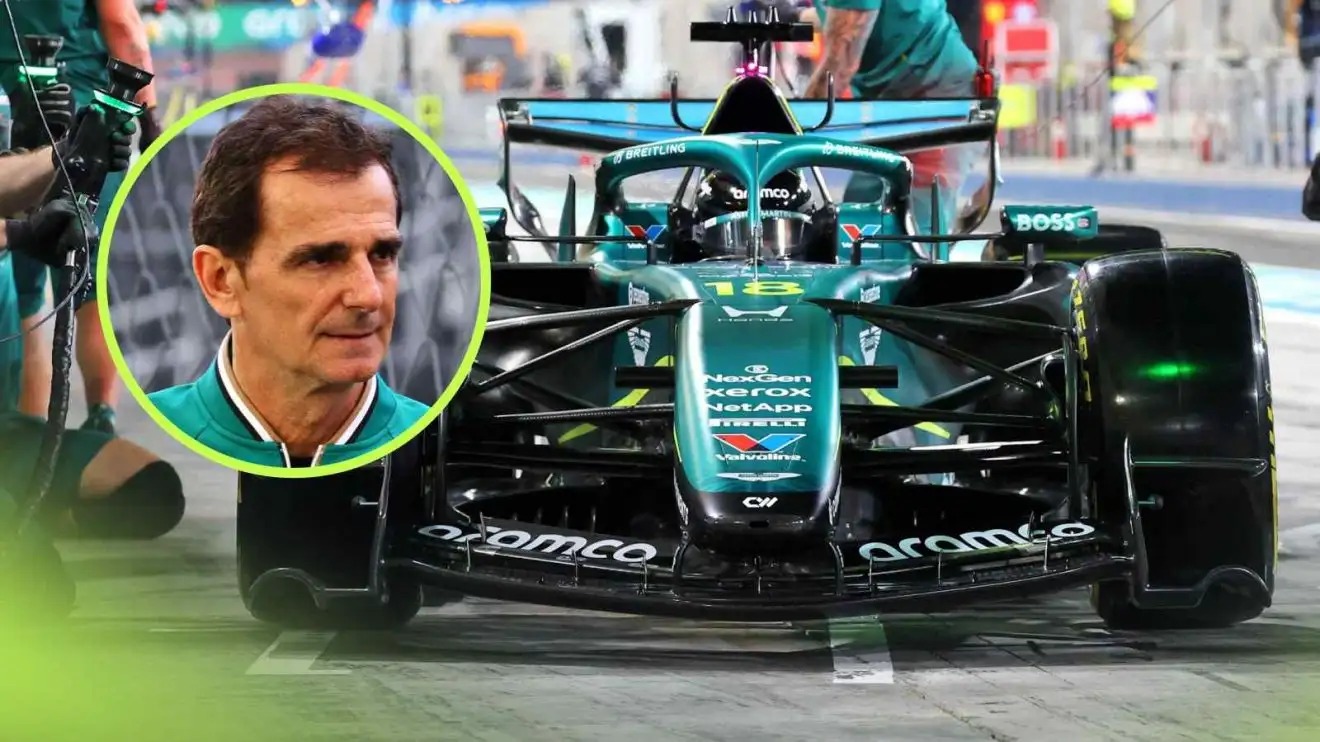
The paddock is buzzing with the kind of nervous energy that only surfaces when a big team stumbles out of the gates. Aston Martin rolled into Bahrain testing with high hopes pinned to the AMR26, yet the car managed just 206 laps across three days, the lowest tally of any squad. Whispers are already turning into open speculation.
The Numbers That Tell a Brutal Story
Pedro de la Rosa did not sugarcoat it when he spoke as team ambassador. The early performance gap will not vanish overnight, and the Silverline outfit is still climbing a steep learning curve with the entire package. Lance Stroll himself put the deficit at three to five seconds behind the leaders, though he admitted the exact margin remains unclear because the car has yet to show its hand in clean running.
- Aero balance issues plague the floor and sidepods
- Energy harvesting glitches limit straight line speed
- Setup windows feel impossibly narrow under Bahrain heat
These are not isolated gremlins. They point to a car that was rushed into existence around Adrian Newey's vision yet still lacks the integration needed to challenge Mercedes, Ferrari or Red Bull.
Verstappen's Theater Masks Red Bull's Real Weakness
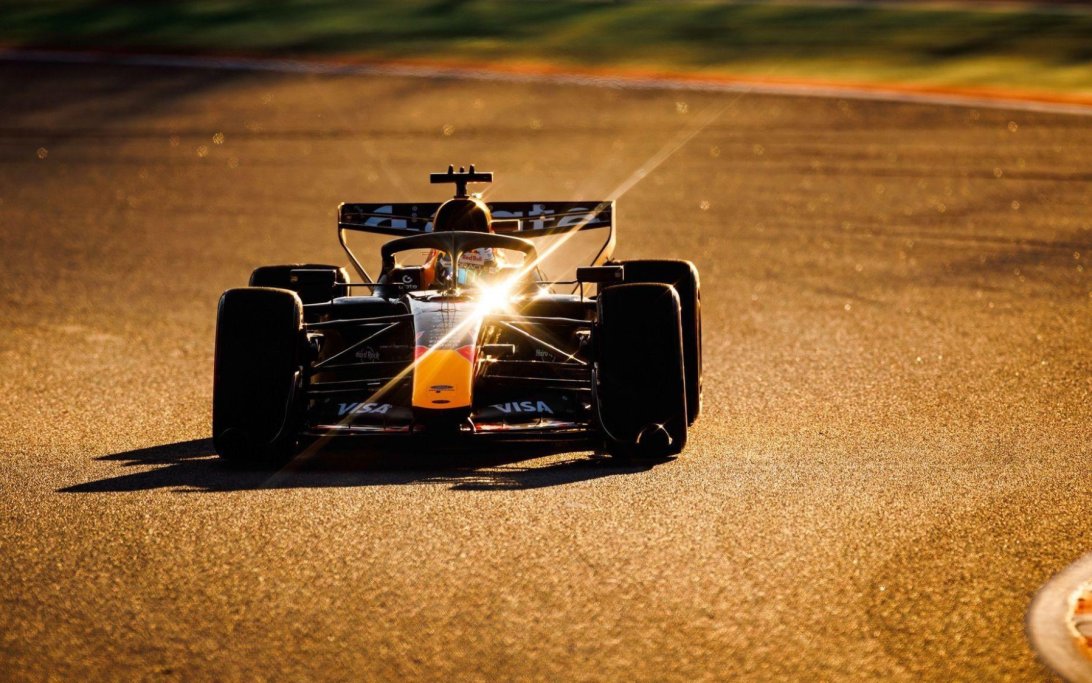
While Aston fights to understand its own machine, Max Verstappen continues his calculated aggression on track. That fire is no accident. It serves as deliberate theater designed to keep everyone staring at the driver instead of the aerodynamic flaws Red Bull is quietly nursing. One angry radio message or wheel to wheel lunge and suddenly the conversation shifts away from the car's deeper vulnerabilities. Aston could learn from that distraction game, but only if they stop treating data as gospel.
Strategy dictated purely by numbers has never won anyone a title. A driver who feels content or properly fired up will always extract more from a flawed car than any spreadsheet-optimized plan. The AMR26 needs emotion injected into its development loop right now, not another round of sterile simulations.
"Time will tell whether we can close this before Melbourne," de la Rosa said. "We are already working on upgrades, but multiple cycles will be required."
The Five Year Countdown to AI Cars Has Already Started
This testing struggle at Aston is the last gasp of the old way. Within five years the first fully AI designed Formula 1 car will appear, rendering human drivers little more than passengers in a software war. Teams still clinging to traditional aero departments and driver feedback will be left behind the way manual gearboxes disappeared. Aston's expanded technical staff gives them a chance to adapt early, yet the opening races will reveal whether that investment can flatten the learning curve fast enough.
Lewis Hamilton's long arc echoes Ayrton Senna's in its cultural weight, though with less raw talent and far more media savvy. He built empires through politics and timing rather than pure skill alone. Aston would do well to remember that blending human intuition with emerging AI tools might be their only bridge across the coming gap.
What Comes Next in the Paddock
Mercedes and Red Bull will finish refining their packages in the coming weeks while Aston uses the final pre season runs to validate upgrades. The team's confidence rests on its growing headcount, but confidence alone does not produce lap time. If the AMR26 cannot shed those three to five seconds before the lights go out in Australia, sponsor nerves will fray quickly and the midfield beckons.
The real test is not whether the car improves. It is whether Aston can inject enough human fire into their process before the machines take over completely.
Join the inner circle
Get the deep dives and technical analysis from the world of F1 delivered to your inbox twice a week.
Zero spam. Only high-octane analysis. Unsubscribe anytime.