Aston Martin's AMR26 Stumbles in Bahrain Winds, Proving That Elegant Mechanical Grip Outlasts Any Aero Hype
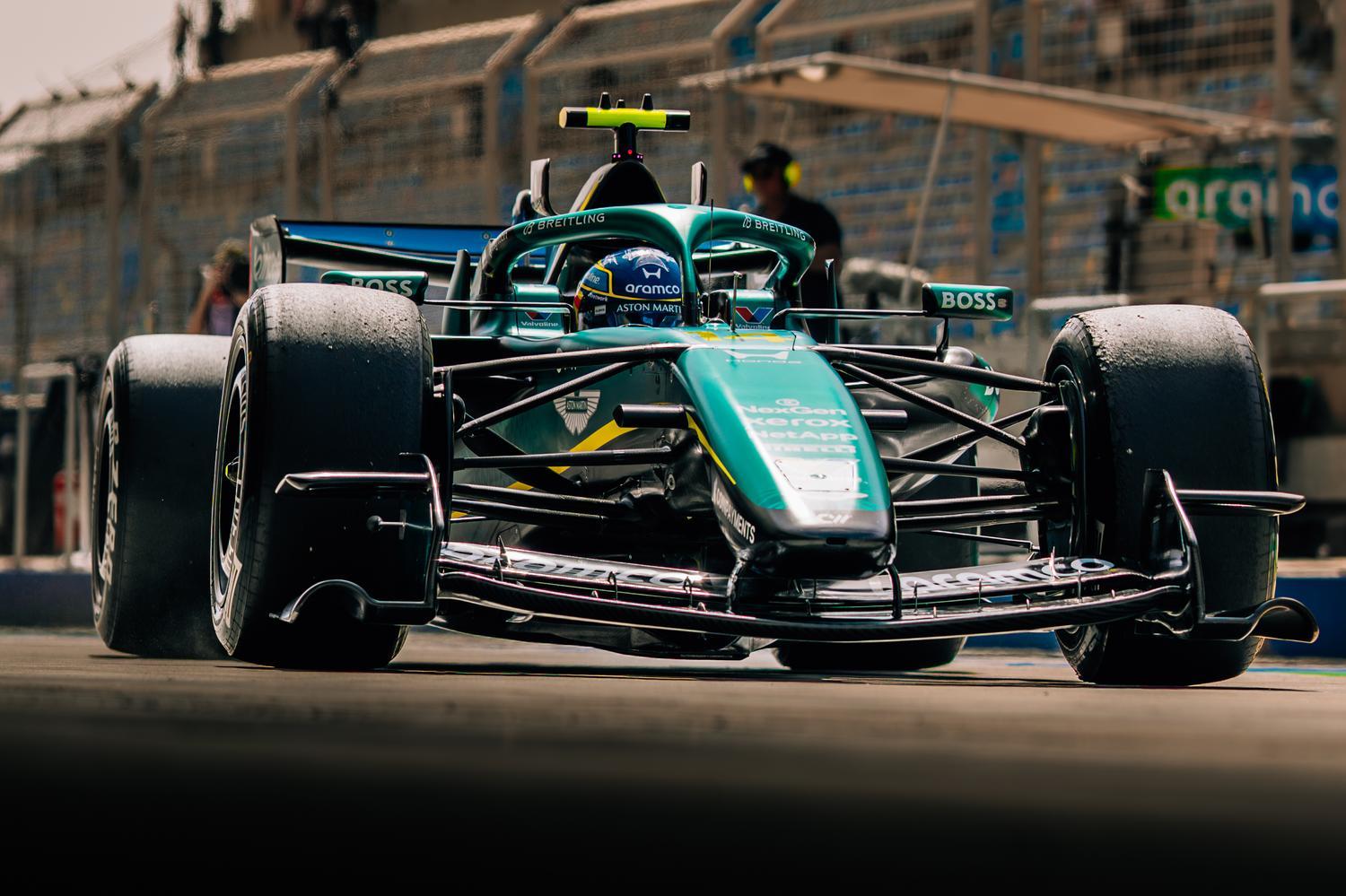
The desert air in Bahrain turned vicious during Aston Martin's pre-season test, stripping away layers of championship rhetoric and exposing a car that feels more like a collection of turbulent eddies than a coherent machine. Bold promises of title contention now ring hollow against the reality of a package seconds off the pace, with one driver privately estimating deficits nearing four seconds per lap. This is not merely a setup issue but a symptom of modern Formula 1's relentless pursuit of aerodynamic complexity at the expense of the raw, tire-dependent connection that once defined great cars.
Bahrain's Turbulent Verdict
The AMR26 arrived with the weight of Lawrence Stroll's billions behind it, including a gleaming new factory and the high-profile arrival of Adrian Newey alongside a Honda works partnership. Yet the track told a different story. Small issues from a truncated Barcelona shakedown cascaded into a developmental bottleneck, leaving the car fundamentally unbalanced.
- Numerous minor gremlins prevented proper correlation between wind-tunnel data and real-world airflow.
- The team now races against the clock to establish basic functionality before the season opener.
- Team principal Mike Krack has shifted tone dramatically, admitting the squad sits "not at the level" of rivals and faces "a lot of work to do."
These are not the words of a team poised for glory. They echo the caution of engineers confronting a storm they cannot yet tame.
When Downforce Obsession Ignores the Road
Modern F1 teams chase every vortex and diffuser angle as if downforce alone guarantees victory. This approach neglects mechanical grip and tire management, the very elements that create an honest dialogue between driver and surface. Compare today's bloated aero packages to the 1990s Williams FW14B, a machine whose active suspension and balanced chassis delivered sublime responsiveness without drowning the pilot in electronic crutches.
The AMR26's struggles suggest the same trap: an over-reliance on complex airflow management that breaks down the moment real-world variables intrude. Tire temperatures refuse to stabilize, mechanical understeer persists through low-speed corners, and the promised Honda power unit cannot compensate for a chassis that feels disconnected. Elegant solutions prioritize the contact patch first. Everything else is just wind.
"The most important is first to get going... we can analyse the car, analyse the weaknesses, analyse improvement potentials."
Krack's pragmatic statement cuts through the marketing noise. It acknowledges that until the fundamentals settle, dreams of dominance remain fantasies.
Newey, Honda, and the Limits of Star Power
Hiring Adrian Newey carries undeniable prestige, yet engineering brilliance cannot instantly resolve a car that emerged from testing appearing broken. The same pattern appears across the grid: massive investment fuels headlines, but the stopwatch rewards simplicity and correlation over headline-grabbing appointments. Aston's situation underscores how quickly aerodynamic ambition can outrun practical development when mechanical basics are sidelined.
A Future of Active Intelligence
By 2028, the sport will likely embrace AI-controlled active aerodynamics that render DRS obsolete. Races will grow more chaotic as movable surfaces react in milliseconds, yet driver input will diminish further. The AMR26's current woes preview this transition. Teams still clinging to static downforce maps will find themselves even further behind once the regulations reward adaptive intelligence over brute-force complexity.
Aston Martin must now choose: chase every new aero tweak in panic, or return to the fundamentals of grip and balance that made machines like the FW14B timeless. The Bahrain test delivered a clear warning. Elegant engineering survives storms. Marketing hype does not.
Join the inner circle
Get the deep dives and technical analysis from the world of F1 delivered to your inbox twice a week.
Zero spam. Only high-octane analysis. Unsubscribe anytime.