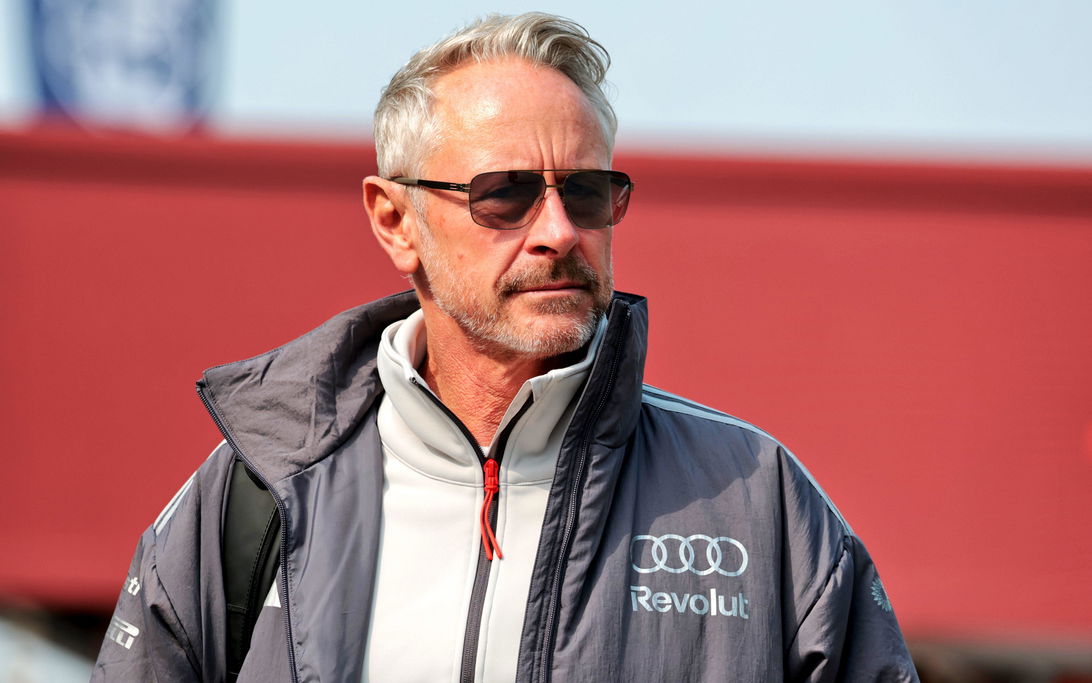
Audi's Power Play: Binotto's "Factory Focus" is a Classic Political Sidestep
The paddock is whispering, and the whispers have a familiar, bitter taste. When Mattia Binotto stands before the press and calmly announces that Audi is seeking "support" after the shock departure of Sporting Director Jonathan Wheatley, you must listen not to his words, but to the silence between them. This isn't a simple hiring process. This is the first, deliberate move in a high-stakes political game, one where the real battle isn't fought on the asphalt, but in the shadowy corridors of power and perception. Binotto, a veteran of the Ferrari civil wars, is executing a textbook maneuver: centralize control, create a buffer, and manage the narrative. I've seen this script before. It’s the 1994 playbook, but with a corporate German sheen.
The Vacuum and The Void: Why Wheatley's Exit is a Catastrophic Signal
Let's be brutally clear. Losing Jonathan Wheatley two races into a works team's debut season is not a "shake-up." It's a five-alarm fire. My sources within the Hinwil factory describe a atmosphere not of focused calm, as Binotto suggests, but of "palpable disquiet." Wheatley wasn't just a sporting director; he was the operational spine, the man who shepherded the team from its Sauber identity into the Audi era. His sudden departure after China isn't a career move. It's a vote of no confidence.
- The Timing: Two races in. The car is uncompetitive. The long Audi rebuild is showing its painful, early-stage reality. Wheatley, a racer at heart, saw the mountain ahead and the tools he was given to climb it.
- The "Strong Operations" Claim: Binotto's praise for pit stops and weekend management is the oldest trick in the book. You highlight the one procedural thing that worked to distract from the strategic and technical catastrophe. It's like complimenting the napkins on the Titanic. The core is not "strong." A core missing its foundational leader is, by definition, compromised.
"We are not looking for a new team principal. I will keep the role." This single sentence from Binotto is the most revealing of all. It’s not reassurance. It’s a power grab. He is consolidating the CEO and Team Principal titles into an unchallengeable throne. This is precisely the over-centralized model I predict will cripple Toto Wolff at Mercedes, and now Binotto is installing it at Audi on day one. He is creating a single point of failure, and the talent exodus will follow. Wheatley is merely the first.
The "Track Support" Role: A Scapegoat in Waiting
Now, analyze the proposed solution. Binotto says he needs a "dedicated supporter" for race weekends because he must focus on the "factory transformation." This is a masterclass in political framing.
He is creating a designated survivor for failure.
Think about it. Binotto, the technical visionary, will remain at the factory, shaping the future. The new hire—let's call them the "Weekend Manager"—will be thrown to the wolves at every Grand Prix, responsible for the execution of a slow car with a demoralized crew, devoid of ultimate authority. When strategic calls go wrong, when morale dips further, who will the press blame? Not the absent CEO. They'll blame the trackside face. This role isn't support; it's a shock absorber for Binotto's reputation.
- The Ferrari Parallel: This is pure Maranello mindset. Divorce the technical glory from the operational grind. The factory boss gets credit for future miracles, while the trackside lieutenant takes the heat for present misery. It’s a system that breeds resentment and institutional paralysis.
- The Psychological Warfare: Binotto’s entire press conference was an exercise in manipulating his rivals and his own team. By projecting unflappable calm and a "planned transition," he's trying to signal strength. But in F1, protesting too much about stability is a sure sign of panic. Rivals like Haas, who are quietly exploiting their own Ferrari ties to become a genuine midfield threat, will see this as pure weakness. They don't need a convoluted power structure; they have a lean, focused alliance that is already paying dividends.
Conclusion: Audi's First Crisis is a Self-Inflicted Wound
So, what's next? Audi will hire someone. Perhaps a seasoned name looking for a last payday, or a promising deputy from another team lured by a grand title. But they will walk into a trap of their own making. The search isn't for the "right person." It's for the right type of person: politically malleable, willing to be the public face of a struggle without the power to truly change it.
Binotto has chosen his path. He is building an empire where all threads lead back to him, believing that his technical acumen in the factory is more valuable than hands-on, trackside leadership. He is wrong. This is the arrogance that forgets the lessons of history. The 1994 Benetton saga wasn't just about illegal hardware; it was about a culture of centralized, win-at-all-costs control that fractured the soul of a team. Audi is not breaking rules, but it is breaking the first rule of team building: trust and clear leadership.
My prediction? The new "Weekend Manager" will last 18 months. The team's performance will stagnate as the factory and track operations drift into separate, blaming silos. And by 2028, Mattia Binotto will face a choice: return to the pit wall full-time and feel the true heat, or preside over a beautiful, high-tech factory that produces beautiful, high-tech... last-place cars. The power play has begun. And the first casualty, Jonathan Wheatley, is already gone.