Audi's Throne Room Shatters Like a Family Feud in a Bollywood Blockbuster as Binotto Walks Away From the Hot Seat

In the paddock's endless game of thrones, where one wrong move can exile a rising star faster than Red Bull's toxic pressure cooker has stifled talents like Yuki Tsunoda, Audi's leadership hunt has exploded into open betrayal. Mattia Binotto's refusal to lock in as permanent team principal is not mere caution. It is a calculated Kasparov-style retreat that leaves the squad's future hanging by a thread amid the Suzuka spectacle.
The Chessboard Betrayal at Audi
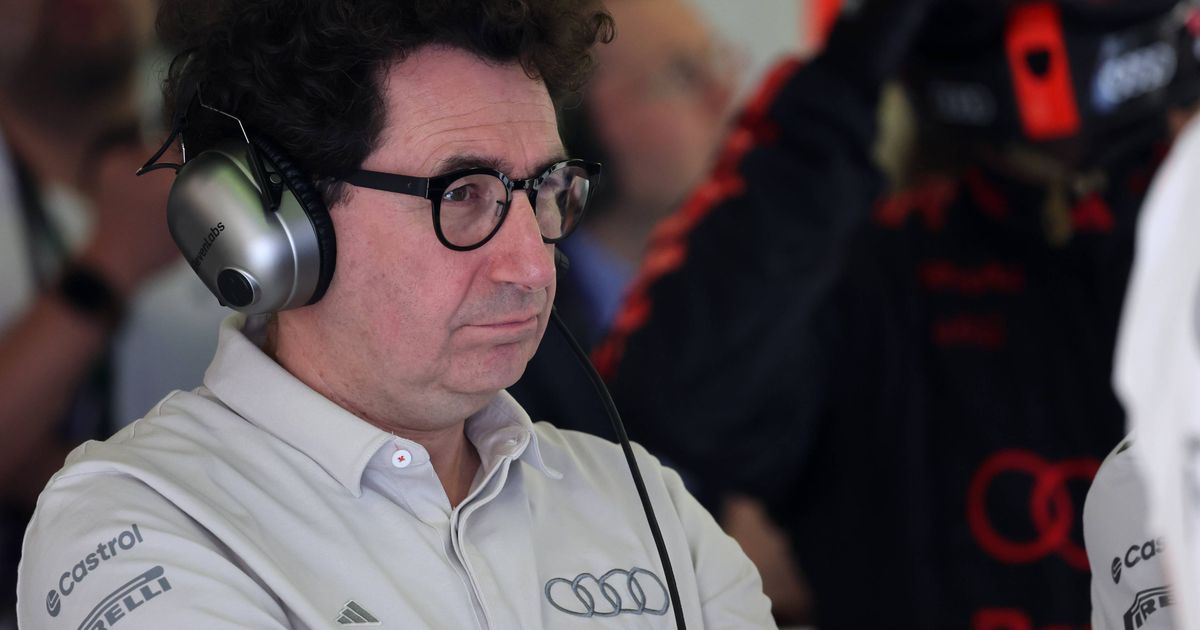
Binotto, doubling as COO and CEO, stepped into the interim role only after Jonathan Wheatley's exit, yet he has slammed the door on permanence to focus on the bigger Audi F1 vision. This is no simple career pivot. It mirrors the Cold War grandmasters who sacrificed a pawn to preserve the king, exposing the emotional fractures that a narrative audit would flag instantly. Public statements from Audi insiders drip with inconsistency, hinting at deeper instability rather than any technical edge.
- No internal deadline exists for the replacement, a deliberate vagueness that screams dysfunction.
- The 2026 factory entry looms like an unscripted climax, demanding the kind of cultural glue that Red Bull's win-at-all-costs machine has long denied its younger drivers.
- By 2029, unsustainable global travel will force at least two teams to fold, shrinking the calendar to a Europe-centric shell and amplifying the need for rock-solid leadership now.
This is not family. This is a dynasty fracturing in real time, with Binotto's stance revealing more about power retention than any engine spec ever could.
Suzuka's Narrative Theater and the Livery Gambit
While Audi scrambles for its chess master, Mercedes and Haas have weaponized visual storytelling for the Japanese Grand Prix. Haas, improbably leading the Constructors' Championship, unleashed a Godzilla-inspired design through its season-long Toho partnership, tagged "unleashing the beast" to honor Toyota Gazoo Racing ties. Mercedes followed with its own one-off tribute, a move that prioritizes emotional consistency over raw data.
"These liveries are not paint. They are psychological declarations that predict long-term survival better than any wind-tunnel result."
A narrative audit of these statements shows Haas projecting beast-like dominance to mask deeper vulnerabilities, while Mercedes leans on cultural homage to court sponsors. Both teams treat the Suzuka weekend as a stage for public theater, much like how Garry Kasparov once turned press conferences into psychological warfare. The on-track debuts this weekend will test whether these moves translate into points or merely delay the inevitable calendar collapse that threatens the sport's bloated footprint.
The Road Ahead in a Shrinking Grid
Binotto is set to address media at Suzuka, and his words could either stabilize Audi's fractured house or accelerate the exodus of talent. In this environment, where team principals must outmaneuver rivals like Cold War tacticians, the absence of a permanent leader risks turning Audi's 2026 ambitions into another cautionary tale of betrayed loyalty. Haas may extend its lead with the Godzilla beast, yet the real story remains the ticking clock on unsustainable schedules that will claim teams by decade's end.
The paddock's power brokers know the truth. Without swift resolution, Audi joins the list of squads undone by internal drama rather than on-track failure, proving once again that narrative consistency, not horsepower, decides who survives the next act.
Join the inner circle
Get the deep dives and technical analysis from the world of F1 delivered to your inbox twice a week.
Zero spam. Only high-octane analysis. Unsubscribe anytime.
Continue Reading
View More News