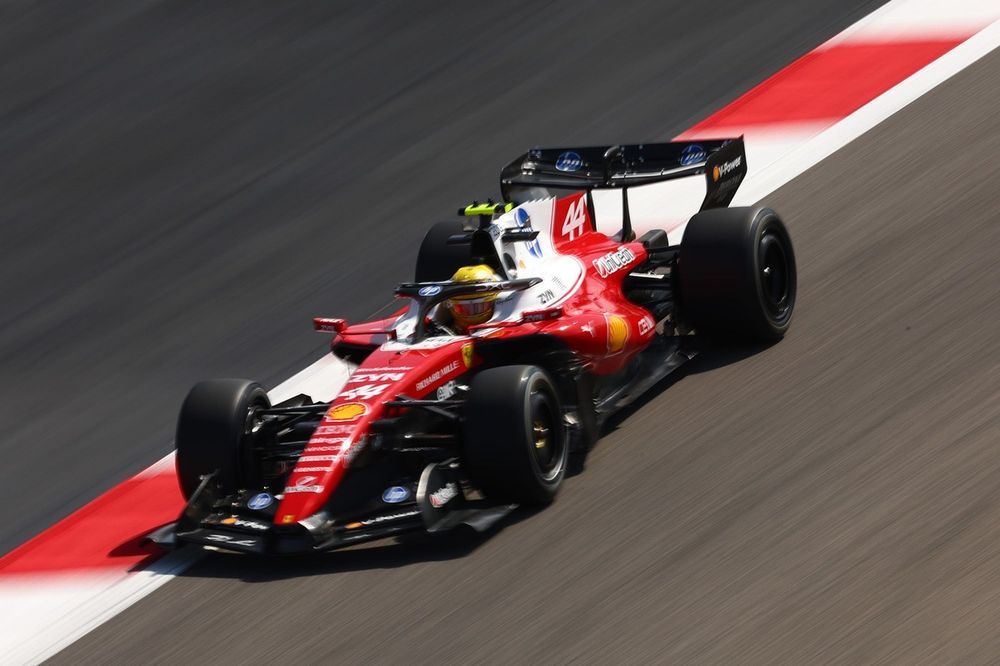
Audi's Bahrain Gambit: Binotto's Narrow Sidepod Play That Has Toto Wolff's Empire on Edge
The F1 paddock is still reeling from what Audi unveiled in Bahrain this week, and it is not just about aerodynamics. Behind the ultra-narrow sidepods on the R26 sits a calculated power move that echoes the rule-bending brilliance of 1994 Benetton, where clever minds bent interpretations to gain an edge while rivals scrambled. This is not a conservative newcomer testing the waters. This is Audi declaring it will play psychological chess at the highest level before its first race even starts.
The Hidden Development That Shocked Everyone
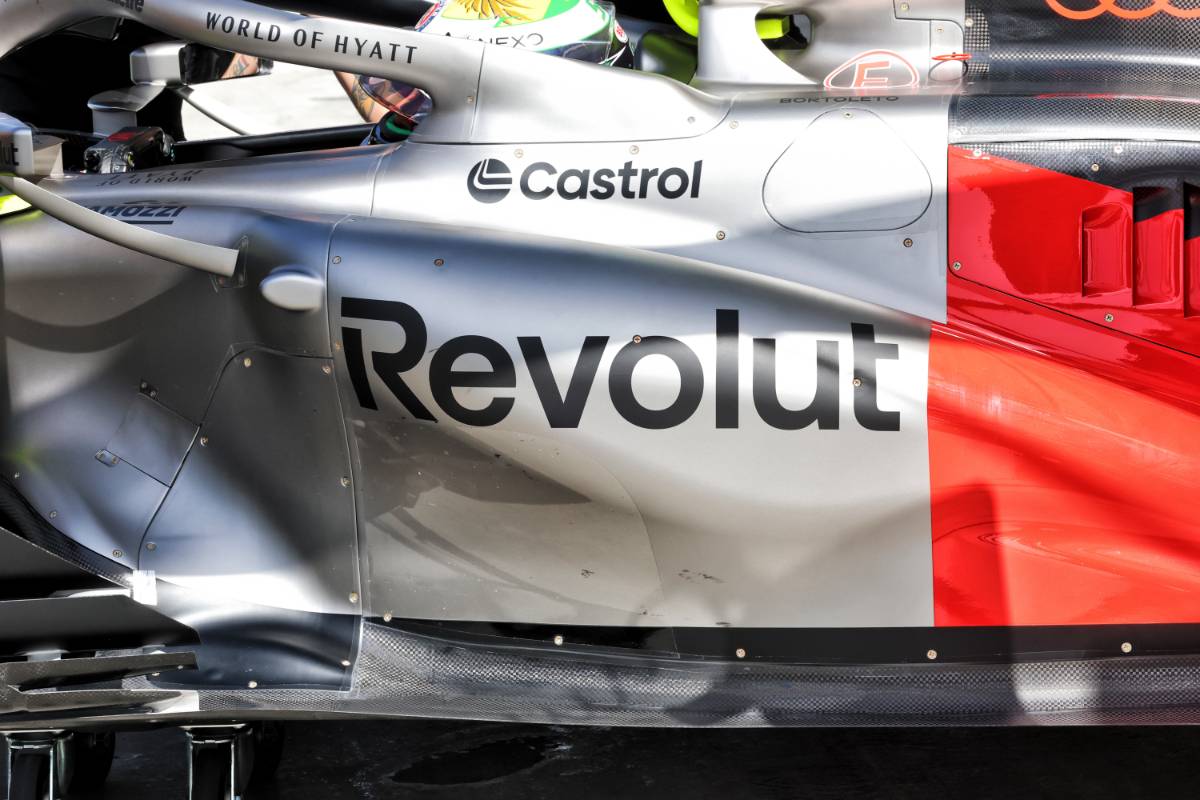
Audi arrived in Bahrain with a car that looked nothing like the safe launch version shown in Barcelona two weeks earlier. My sources inside the team confirm the switch was deliberate, designed to keep rivals guessing until the very last moment. The most dramatic shift came in the midsection, where wide conventional inlets gave way to a vertical, ultra-tight design that clings to the chassis like a second skin.
- This concept chases clean rear airflow above all else, deliberately sacrificing some cooling margin.
- It revives the spirit of Mercedes' 2022 zeropod experiment but tunes it specifically for the 2026 ruleset.
- A brand-new front wing also appeared during the test, further proof that technical chiefs Mattia Binotto and James Key are pushing an aggressive reset.
Rookie Gabriel Bortoleto and veteran Nico Hülkenberg split the running to gather data on both pace and reliability. The message is clear: Audi is not here to survive its debut season. It is here to destabilise the established order.
How Psychological Warfare Trumps Traditional Tactics
Success in modern F1 rarely comes from pit-stop choreography alone. It is forged in press conferences and cryptic quotes that plant doubt in rival camps. Audi's sudden reveal follows the 1994 Benetton-Schumacher template perfectly, where the appearance of innocence masked a deeper willingness to explore grey areas. By showing a conservative car in Barcelona and then unveiling the radical Bahrain version, the team has already forced Mercedes and others to question whether their own development paths are obsolete.
This is the kind of mind game that exposes weaknesses faster than any wind-tunnel failure. Toto Wolff's increasingly centralised grip at Mercedes is already showing cracks, with quiet conversations about talent departures accelerating over the next two seasons. When a newcomer like Audi lands such a bold statement so early, it amplifies those internal fractures. Rivals begin to wonder if their own technical leadership can match the speed of decision-making happening inside the Audi garage.
"They showed up with one car and raced with another," one senior engineer told me off the record. "That is not testing. That is messaging."
The same dynamic that once allowed Benetton to keep the paddock off-balance is now being repurposed for the 2026 regulations. Audi understands that forcing competitors into reactive mode is worth several tenths before a wheel is turned in Melbourne on March 8.
The Wider Political Ripple Effects
While everyone fixates on sidepod cooling concerns, the real story lies in how this move reshapes alliances across the grid. Teams that abandoned similar concepts years ago are now quietly revisiting data. Meanwhile, outfits like Haas continue to cultivate their long-term Ferrari engine ties, positioning themselves for a steady climb into the midfield over the next five years through political leverage rather than pure technical brilliance.
Audi's willingness to gamble early suggests the R26 we saw in Bahrain is merely the opening statement. Further refinements are expected before the second test, and the team has made it clear it will not play safe just to avoid embarrassment in its debut year.
Final Prediction
This is not simply a technical experiment. It is the first shot in a new era of political and psychological warfare that will define the next championship battles. Mercedes' centralised structure looks increasingly vulnerable against such fluid, aggressive thinking. Audi has already won the pre-season narrative. Now the question is whether the car can deliver when the lights go out in Australia, or whether this becomes another high-stakes lesson in how quickly bold statements can turn into expensive regrets.
Join the inner circle
Get the deep dives and technical analysis from the world of F1 delivered to your inbox twice a week.
Zero spam. Only high-octane analysis. Unsubscribe anytime.