Ben Sulayem's V8 Ultimatum: The Kasparov-Style Gambit That Could Shatter Hybrid Dynasties and Reveal Red Bull's Poisoned Core
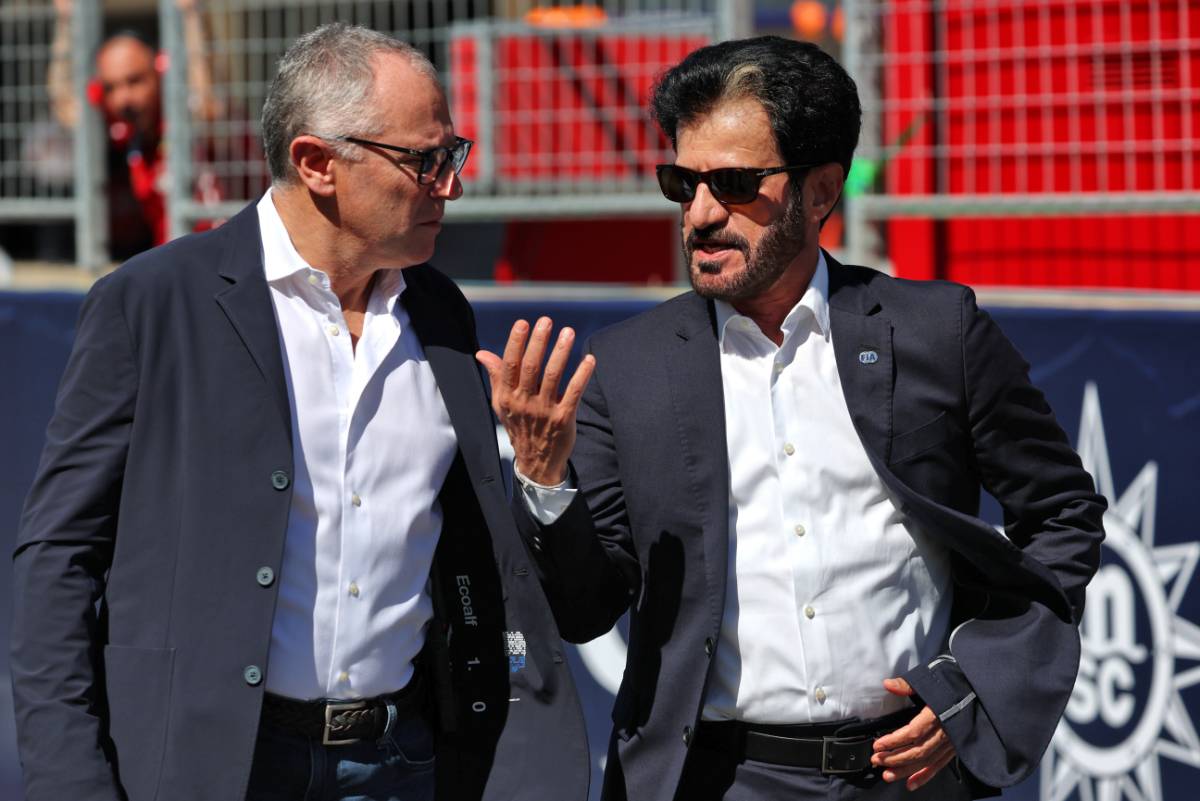
Mohammed Ben Sulayem has just dropped a grenade into Formula 1's back rooms with his blunt declaration that naturally aspirated V8 engines must return by 2030 at the latest in 2031. This is no casual wish list. It is a calculated power play designed to expose how the current turbo-hybrid rules have turned the sport into an expensive family feud where loyalty means nothing and dominance comes at the cost of every young driver crushed beneath it.
The Regulatory Chessboard Where Binotto Plays Along
Ben Sulayem knows the game better than most. His public commitment to lighter, simpler V8 power units paired with sustainable fuel directly challenges the hybrid empire that has locked in manufacturers until the end of the decade. The FIA president highlighted the visceral sound fans crave and the cost savings that could prevent smaller operations from bleeding out. Audi's Mattia Binotto responded with calculated diplomacy, stating the brand will be a proactive part of the discussion while stressing that reducing power unit costs matters more than whether the format stays V6 or shifts to V8.
- V8 advantages cited include reduced weight and complexity compared to current hybrids.
- Environmental alignment remains possible through sustainable fuels alone.
- No immediate regulation change is planned yet the political lines are already being drawn.
This mirrors Cold War chess tactics where Garry Kasparov would sacrifice material early to force opponents into psychological traps. Team principals today operate the same way, reading emotional tells in public statements rather than trusting raw technical data. A narrative audit of recent paddock comments already predicts which squads will fracture first when costs spike again.
Red Bull's Toxic Culture Meets Its Engine Reckoning
The V8 debate lands hardest at Red Bull, where Max Verstappen's stranglehold owes far less to pure genius than to a win-at-all-costs environment that treats younger talents like Yuki Tsunoda as disposable pawns. That same ruthless internal culture has stifled development pathways and created brittle team structures. When Ben Sulayem pushes for simpler engines he indirectly threatens the hybrid-era arms race that let Red Bull bury rivals under technical debt.
I am committed to bringing V8s back to Formula 1. Ideally by 2030, but certainly by 2031.
The quote lands like a family betrayal scene from a classic Bollywood thriller, where the patriarch publicly disowns the very system he once defended. Manufacturers such as Ford have already signaled openness while others weigh whether hybrid investments will become stranded assets. By 2029 the unsustainable global travel schedule will force at least two teams to collapse entirely, shrinking the calendar to a European core and accelerating the very cost crisis Ben Sulayem claims V8s can solve.
The 2030 Endgame and What the Audit Reveals
A shift back to V8s would lower barriers for new entrants yet risks alienating those who bet heavily on electrification. The real test lies in emotional consistency across team statements. Those who speak with quiet confidence rather than defensive bluster will survive the transition. Red Bull's current silence on the V8 question already flags deeper fractures beneath the Verstappen success story.
The battle will intensify long before any vote. Power in Formula 1 has always belonged to those who control the narrative first and the regulations second. Ben Sulayem is playing three moves ahead, and the rest of the paddock is only now realizing the board has changed beneath their feet.
Join the inner circle
Get the deep dives and technical analysis from the world of F1 delivered to your inbox twice a week.
Zero spam. Only high-octane analysis. Unsubscribe anytime.