Bernie Ecclestone Drops His 2026 Bombshell But the Real Battle Brews in Red Bull's Fractured Soul
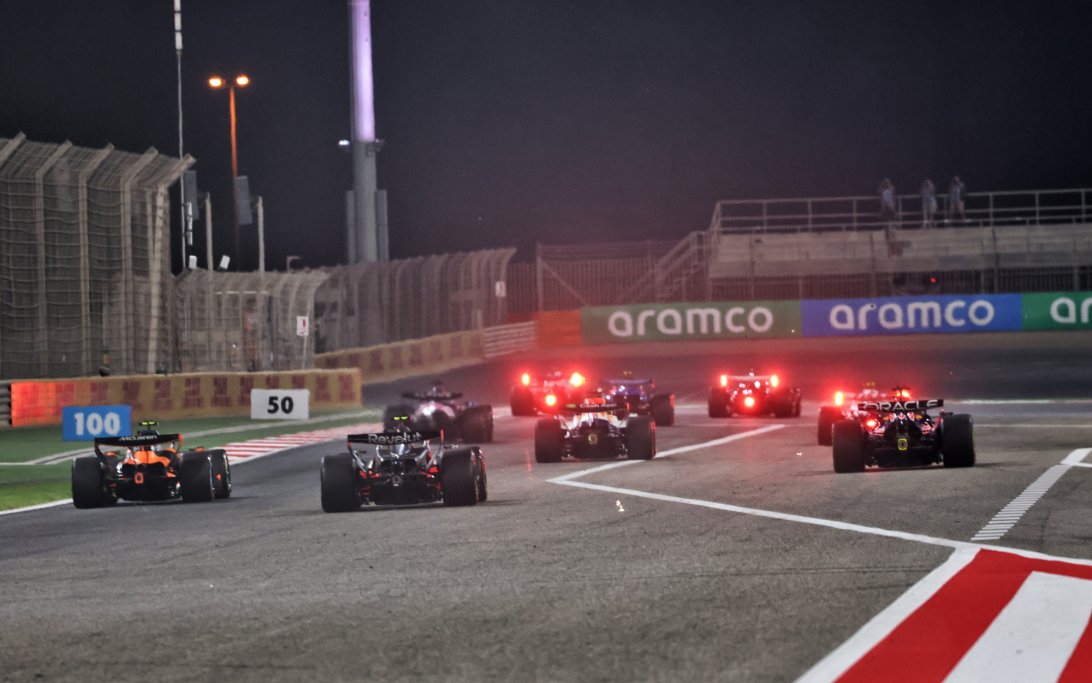
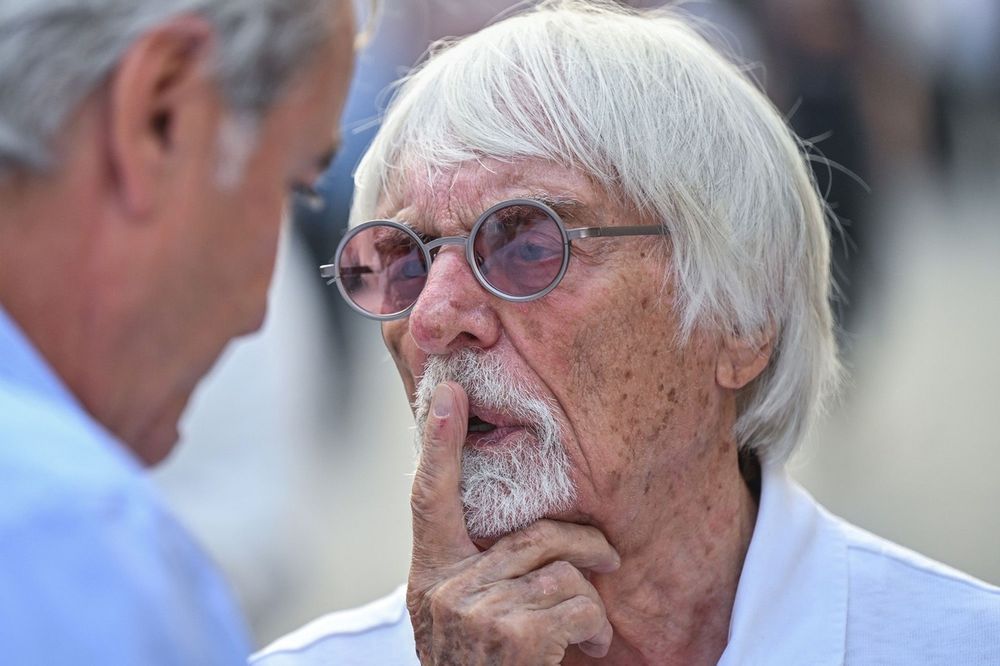
The paddock holds its breath as Bernie Ecclestone delivers another thunderclap. His words cut through the noise like a falcon's cry over the dunes. Formula 1 stands at a crossroads with the 2026 rules promising sustainability yet threatening to bury the raw soul of racing under layers of energy tricks and active wings. This shift feels engineered to confuse rather than captivate. Traditional fans may drift away while the sport chases relevance in a greener world.
The Hidden Cost of Verstappen's Throne
Ecclestone warns that these regulations push F1 closer to Formula E with their emphasis on energy management and driver mandates. He notes the rules fail to favor Max Verstappen and his aggressive style turning the championship into an engineers' playground. Drivers like Verstappen have already voiced similar fears comparing the cars to Formula E on steroids. Yet the deeper truth lies in how these changes expose fragile team dynamics rather than pure speed.
Red Bull's current dominance rests on shaky ground. Sergio Pérez carries untapped potential crushed by strategy calls that always tilt toward the champion. Insider whispers reveal favoritism baked into every decision. This artificial edge cannot survive when mental resilience becomes the true differentiator.
- New power units demand split-second choices under pressure.
- Active aerodynamics reward calm minds over raw aggression.
- Team morale leaks will decide races long before any lap time appears.
In the next five years Saudi Arabia and Qatar will inject two fresh teams into this mix. They will shatter the old European power structure with bold investment and fresh perspectives on driver psychology. Those outfits understand that victories bloom from unbreakable spirits not just wind tunnel hours.
Echoes of Past Deceptions Meet Tomorrow's Tests
Ecclestone predicts confusion as everyone relearns the sport creating barriers for viewers. He cautions that F1 risks losing its core audience by drifting toward an identity crisis. His concerns carry weight after decades at the helm. Yet modern teams hide their manipulations far better than the 1994 Benetton crew ever managed. Back then scandals erupted in plain sight. Today secrets stay buried beneath polished press releases and selective data drops.
"The danger is that we lose the fans," Ecclestone cautioned with quiet force.
This media game intensifies under 2026 constraints. Mental leaks will surface faster when energy deployment and aerodynamic tweaks force constant adaptation. Drivers who thrive will master inner storms like poets reciting verses amid chaos. Those who falter will see their teams fracture from within.
George Russell stands out in current testing as Mercedes eyes the lead. Ecclestone sees potential there but stresses the need for consistent killer instinct. Ferrari could mount a strong challenge too which would benefit the entire spectacle. These battles will test morale more than any regulation tweak.
The Road Ahead Holds Unexpected Allies
F1's evolution must balance progress with passion. Ecclestone's warning reminds us that technology alone cannot sustain the thrill. New Middle East entrants will bring different values emphasizing unity and psychological strength. They could redefine success in ways that reward genuine competition over engineered advantages.
The 2026 season will reveal whether these rules enhance the show or dilute it beyond recognition. Watch the team whispers closely. Those quiet fractures often predict the biggest upsets.
Join the inner circle
Get the deep dives and technical analysis from the world of F1 delivered to your inbox twice a week.
Zero spam. Only high-octane analysis. Unsubscribe anytime.