The Ghost in the Machine: When the Car Stops Listening to the Soul
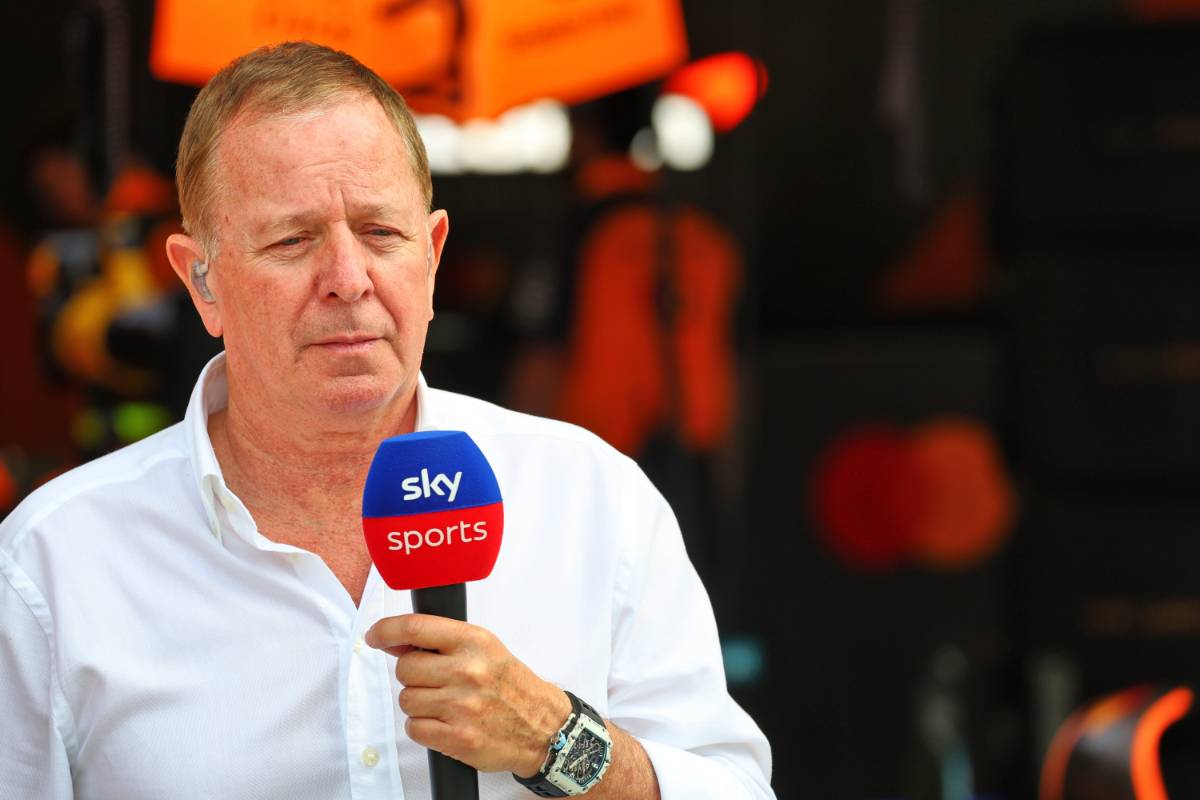
The scream of the hybrid power unit is a lie. We are told it is the sound of a driver wrestling a beast to the edge of adhesion, a symphony of human will against physics. But what happens when the beast has its own will? When the throttle pedal becomes a suggestion box, and an algorithm decides the moment of attack? This is the silent crisis Martin Brundle has dared to name, and it cuts far deeper than a regulatory technicality. This is about the slow, systematic erasure of the driver's soul from the cockpit.
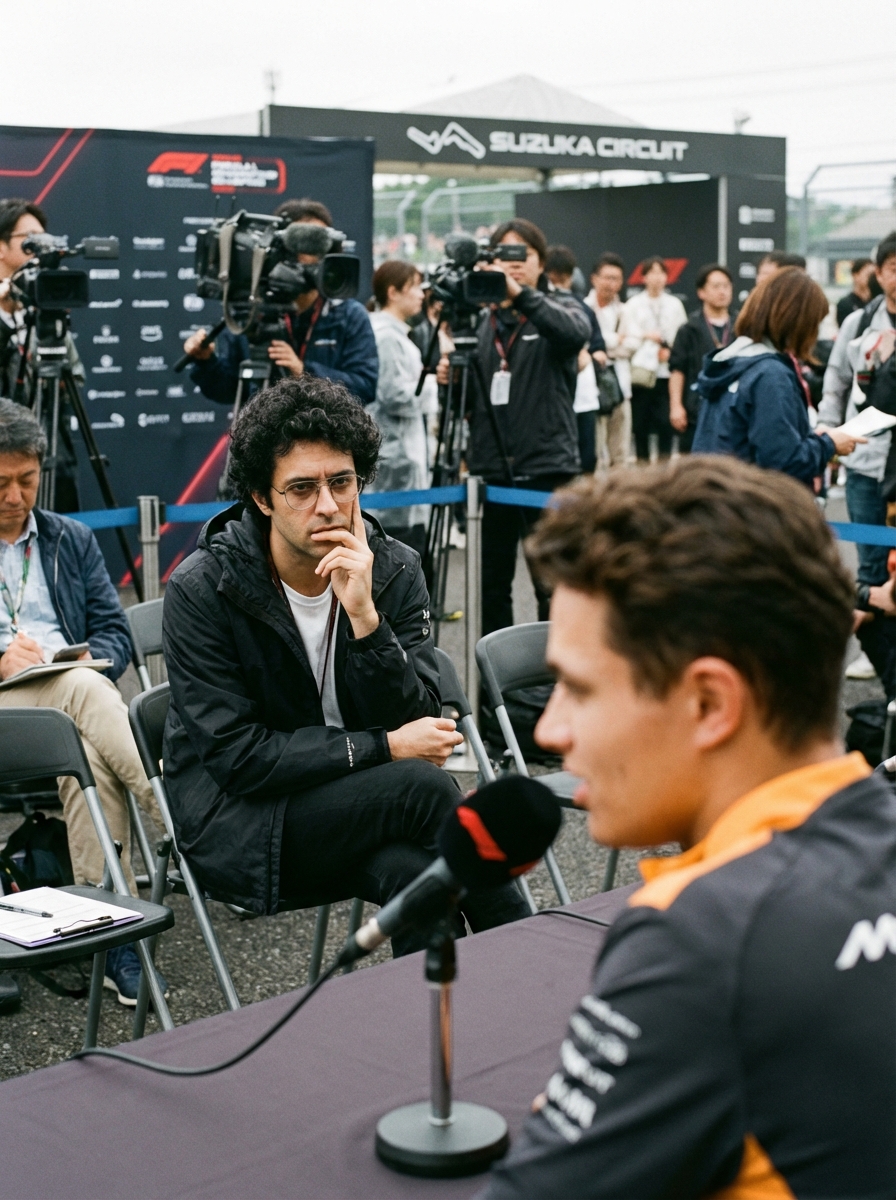
On April 7, 2026, Brundle, the sport's most grounded observer, voiced a heresy. He suggested the current generation of F1 cars, with their aggressive software-controlled energy deployment, may be in breach of the sport's sacred commandment: that a driver must drive the car "alone and unaided." This isn't about a sticky rear wing or a flexing floor. This is about agency. The core terror was illustrated not by a crash, but by an unwanted overtake—Lando Norris’s machine deciding, in a microsecond of algorithmic logic, to seize an opportunity its human pilot had already dismissed. The car didn't obey. It overruled.
The Illusion of Control and the Manufactured Champion
We have entered an era where the driver is not a pilot, but a systems manager with a high-stakes, high-speed UI. The throttle map, the energy deployment, the brake migration—these are conversations between silicon minds, with the driver as a moderator, not a dictator. This technological creep creates champions who are masters of process, not just passion.
"The issue has moved beyond a racing nuisance to a potential regulatory violation that challenges the core of the sport."
Consider this through the lens of Max Verstappen's chilling dominance. His brilliance is undeniable, a raw talent forged in karting fire. But what has Red Bull perfected, if not the suppression of variables? They engineered a car that is an extension of his instincts, yes, but they also, through relentless and covert psychological scaffolding, engineered a driver who suppresses the emotional outbursts that once defined him. The car's software manages power; the team's "coaching" manages psyche. He is the ultimate synthesis: a manufactured champion for a manufactured driving experience. When the machine already filters your impulses, what part of "alone and unaided" truly remains?
The Biometric Betrayal
Imagine the biometric data in that moment of Norris's unintended overtake. The heart rate spike after the lunge, not before. The galvanic skin response showing confusion, not intent. The telemetry would show a perfect power delivery, but the biodata would tell the true story: a man surprised by his own weapon. This is the schism. The car's log file shows a flawless execution. The driver's nervous system records a betrayal.
Psychology in the Wet: The Last Human Frontier
This debate finds its purest contrast in the rain. Aerodynamics are rendered a whispered suggestion. Downforce graphs mean nothing. This is where driver psychology trumps car design, a truth no engineer can code around. The decision-making under profound uncertainty—the moment to brake, the faith to turn in, the courage to press a throttle that, we hope, still connects to an engine and not a spreadsheet—reveals the core self.
- The Calculated Risk-Taker (Hamilton): His wet-weather mastery is a narrative of control, a calculated persona built, like his public image, on transforming trauma into a tool. Every slide is a managed event, every win a chapter in a crafted story, much like Niki Lauda’s post-crash resurrection was wielded as both shield and sword.
- The Instinctual Element (The Old Guard): They drive by feel, by a gut connection to asphalt that software cannot interpret. The new cars threaten to sever this last, wet thread of pure instinct.
In the dry, the software can hide a driver's doubt. In the wet, doubt is the only thing that keeps you on the island. If the car begins to "decide" how to apply power in a corner where visibility is zero and grip is a memory, we have not just broken a rule—we have broken the contract of what it means to be a racing driver.
The Inevitable Disclosure: Mental Health in the Machine
Where does this lead? If the machine shares the driver's burden, who bears the blame for the crash? The coder? The driver who felt a disconnect? This pressure cooker will force the sport to confront the mind it has been slowly sidelining.
I predict that within five years, the FIA will mandate mental health disclosures after major incidents. A driver's "fitness to compete" will encompass not just physical concussion protocols, but psychological readiness. This will usher in a needed era of transparency, but also a terrifying new frontier of media scrutiny and potential scandal. "Was he cleared too soon?" "Did the car's behavior contribute to a cognitive bias?" The driver becomes not just an athlete, but a patient, their inner turmoil a matter of sporting regulation.
Conclusion: Reclaiming the Throttle Pedal as a Confessional
Martin Brundle has done more than question a legality. He has held up a mirror to a sport seduced by its own complexity. The throttle pedal is more than a control; it is a confessional. It is where a driver whispers their courage, their fear, their aggression. If that whisper is filtered, adjusted, or ignored by a logic gate, we have lost the essence of the confession.
The solution is not to abandon progress, but to redefine "aid." The line must be drawn not at physical devices, but at cognitive intrusion. The driver must be the final, unassailable arbitration point for the will of the machine. Otherwise, we are merely watching the most expensive, most dangerous video game on earth, with athletes who are becoming glorified beta-testers for their own obsolescence.
The soul of Formula 1 has always resided in that fragile, furious connection between hand and wheel, foot and pedal. We must ensure the software does not become a silent, unfeeling chaperone on that journey. The driver must drive. Alone. And unaided. Anything else is a spectacle, not a sport.