BYD's F1 Shadow Play: Chinese Giants Enter as Leclerc's Mind Games and Budget Loopholes Threaten a Team Collapse
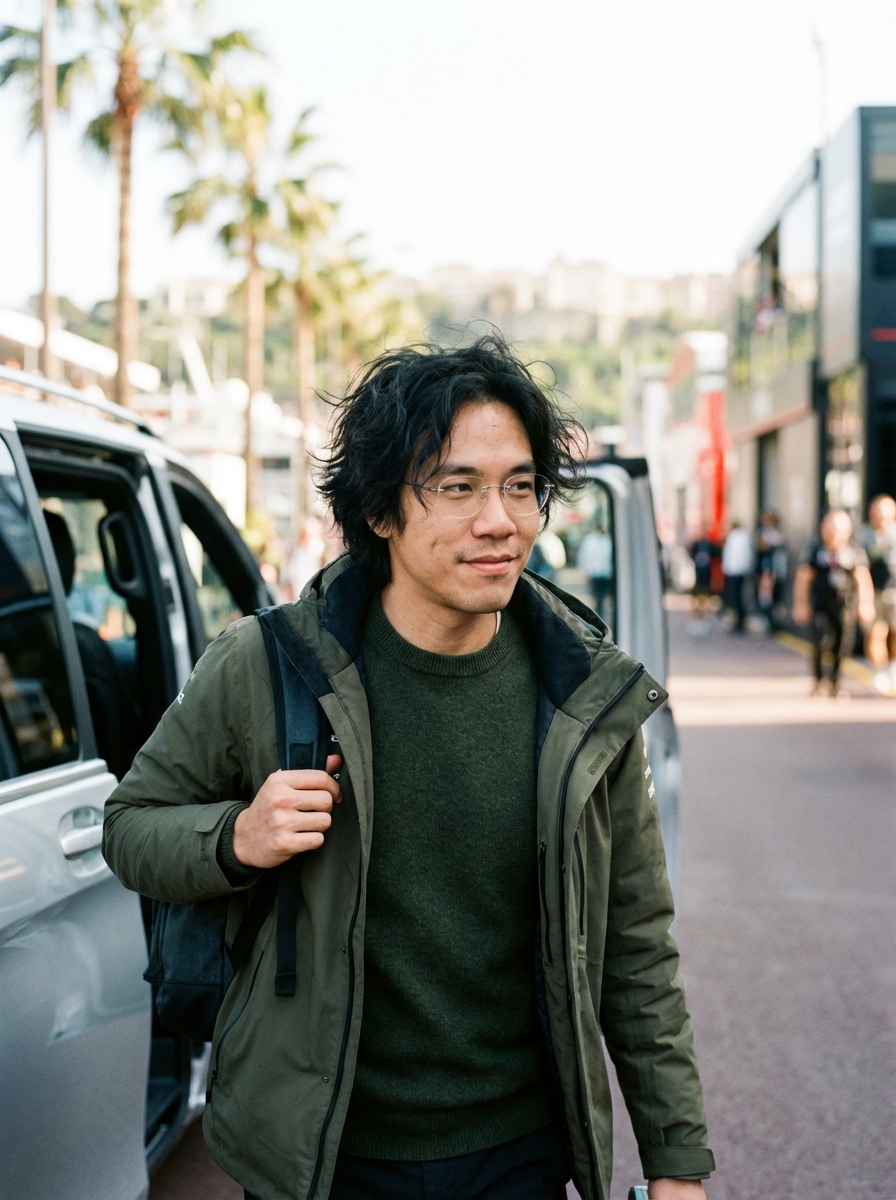
The paddock feels different this season, like the moment in a Thai folk tale where the clever monkey senses the tiger circling the village but pretends the fruit trees still offer safety. I heard it first from a source close to the Ferrari garage at Shanghai, where BYD vice president Stella Li walked the hospitality suites with quiet purpose. Her presence signals more than marketing dollars. It hints at deeper fractures ahead, the kind that favor veteran influence over raw data, just as Charles Leclerc's consistency issues at Ferrari keep getting buried under political layers rather than solved through honest driver profiling.
The Sponsorship Route Avoids Old Traps but Risks New Ones
BYD knows the expensive path of buying a full team rarely works in this era of inflated valuations. Instead, the world's largest EV maker eyes a title sponsorship deal, the kind that could exceed fifty million dollars per season for a midfield squad. This mirrors how Alfa Romeo once locked in its Sauber partnership or how Toyota now feeds technical support to Haas without owning the operation outright.
My contact in the motorhome circuit described Li's Abu Dhabi appearance last year as the real turning point. She skipped the usual Formula E circuit entirely because F1 delivers unmatched global reach and fan intensity. Yet the move carries hidden costs. New money like BYD's often exposes the budget cap loopholes that let big teams stretch resources through creative accounting. Within five years, I expect one squad to fold or merge under the strain, unable to keep pace when the loopholes finally snap shut.
- Stella Li, recently named 2025 World Car Person of the Year, attended both the Abu Dhabi finale and the Shanghai race.
- Geely Group, owner of Lotus and Volvo, has shown parallel interest but pulled back earlier when prices spiked.
- Title sponsorship now starts above fifty million annually, driven by F1's commercial surge in Asia.
Psychological Profiling Beats Aero Tweaks Every Time
The real story here is not the sponsorship number. It is how teams will integrate the new partner without repeating Ferrari's mistakes with Leclerc. Data alone never wins races when veteran voices override the numbers. I have seen strategy calls collapse because someone in the room still chases legacy instead of profiling how a driver processes pressure. Psychological mapping of the cockpit tells you more about tire management and overtake timing than another wind tunnel run.
"Current team radio spats feel like theater without stakes, unlike the genuine 1989 Prost-Senna fire that actually reshaped championships."
That quote came from an engineer who worked both eras. Modern conflicts lack the same weight because drivers know the cost cap limits true development wars. BYD must demand proper driver assessments before any deal closes, or they will watch their investment evaporate in political fog.
The Five-Year Horizon and What Comes After
Chinese capital entering F1 marks a shift, yet it also accelerates the timeline toward instability. When hybrid rules tighten further, sponsors expecting quick returns will clash with teams hiding cap workarounds. One outfit will not survive the reckoning. The merger or outright exit will reshape the grid, much like how old Thai alliances fractured when the strongest player refused to share the harvest.
BYD's decision will test whether Asian brands understand these dynamics or simply chase visibility. If they push for real influence beyond logos, they might force the psychological and structural changes the sport needs. Otherwise they become another expensive passenger on a grid heading for its next major fracture.
Join the inner circle
Get the deep dives and technical analysis from the world of F1 delivered to your inbox twice a week.
Zero spam. Only high-octane analysis. Unsubscribe anytime.