Cadillac's Canadian Storm: Chasing Aero Complexity While Mechanical Grip Slips Away Like the Williams FW14B
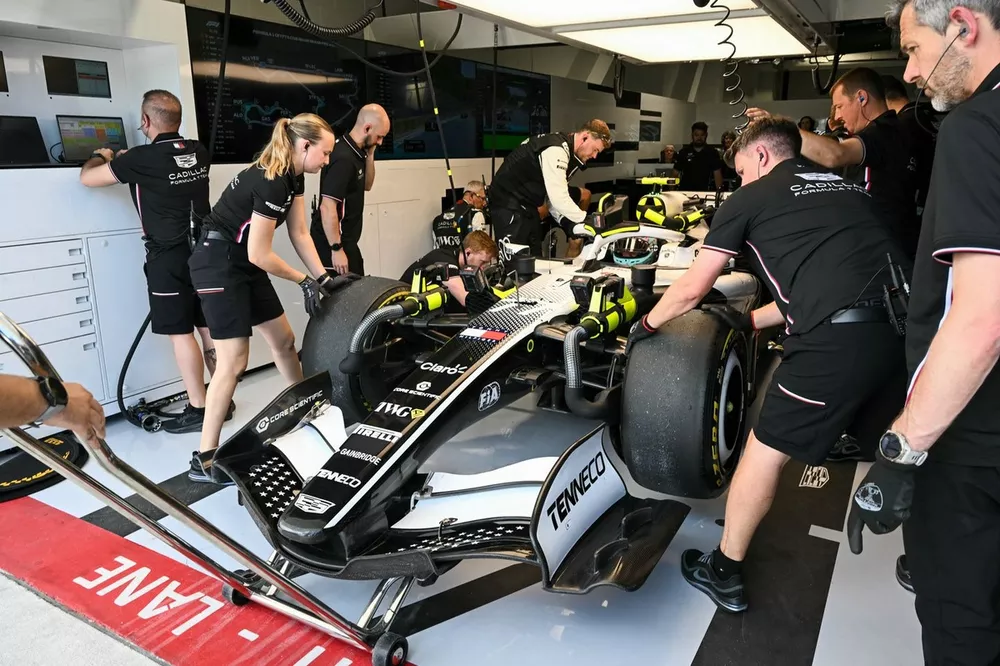
Bold moves in the paddock often mask deeper flaws in how we approach car design today. Cadillac arrives in Montreal with fresh parts for the MAC-26, yet the real question lingers like unsettled air before a gale. Are these upgrades building true connection between driver and machine, or simply layering more aerodynamic turbulence on top of an already fragile foundation?
Miami Gains Meet Canadian Refinements
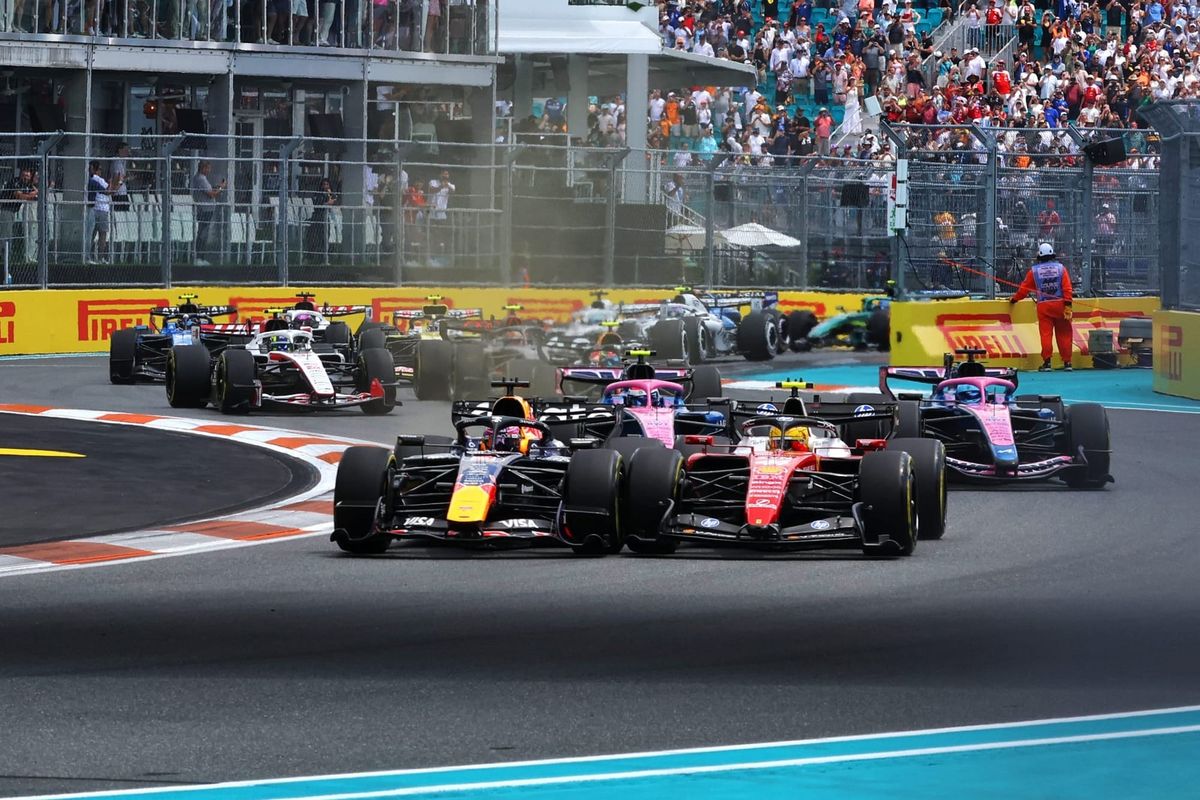
The American squad unveiled its second major package after flashes of midfield pace in Miami. That earlier update brought a new front wing, floor, diffuser and rear suspension, delivering noticeable but inconsistent results. Now comes the Canadian suite: revised front brake drums, diffuser trim and winglets, plus front torsion bars tuned specifically for the aggressive curbs at Circuit Gilles-Villeneuve.
- Front brake drums redesigned for better cooling and durability under heavy load
- Diffuser trim and winglets adjusted to manage airflow separation in high-speed sections
- Torsion bars recalibrated to absorb the track's notorious bumps without losing composure
Team principal Graeme Lowdon described the Miami changes as producing a notable increase in performance, with the team now focused on refining those gains. Sergio Perez qualified 0.3s off the Q2 cut in sprint qualifying yet fell 1.7s adrift on Saturday. Race pace proved more encouraging, with finishes of 15th and 13th while briefly mixing with midfield traffic. Perez himself noted the urgency: We are in a massive hurry to find performance because we know Aston is going to be improving and we don't want to be left behind.
These details matter for a new entrant desperate to avoid stagnation. Yet the pattern echoes a familiar mistake across the grid.
The Mechanical Soul Lost in Aerodynamic Winds
Modern F1 obsesses over downforce at the expense of raw tire management and mechanical grip. Teams chase ever more intricate aero surfaces while the fundamental link between driver input and car response grows weaker. This approach feels like watching storm clouds build without noticing the ground beneath turning to mud.
Contrast that with the 1990s Williams FW14B. Its active suspension and elegant mechanical layout delivered balance through simplicity rather than endless aerodynamic add-ons. Drivers could feel the tires working, adjusting throttle and steering with precision because the chassis responded directly instead of fighting turbulent airflow. Today's cars, by comparison, sacrifice that connection for complexity that often proves fragile in variable conditions.
Cadillac's torsion bar revisions hint at awareness of this gap, yet they arrive buried beneath diffuser winglets and brake drum tweaks. The obsession with downforce neglects how tire temperatures and load cycles truly dictate lap times. Without restoring mechanical grip as the priority, these upgrades risk becoming another layer of stormy distraction rather than a clear path forward.
We are in a massive hurry to find performance because we know Aston is going to be improving and we don't want to be left behind.
That quote from Perez captures the pressure, but it also reveals how the sport rewards aero arms races over genuine engineering elegance.
Toward 2028 and the End of Driver-Dependent Chaos
Within five years the grid will likely shift to AI-controlled active aerodynamics that eliminate DRS entirely. Races will grow more chaotic as systems react in real time, yet they will also become less dependent on individual driver skill. Cadillac's current push for consistency between Miami and Canadian packages represents the final gasp of an era still clinging to manual aero tweaks.
The team treats every race as a development opportunity, hoping integrated upgrades can close the midfield gap and deliver points. That ambition deserves respect. Still, lasting progress demands rediscovering the mechanical truths that made cars like the FW14B thrilling rather than piling on more aerodynamic variables that only deepen the storm.
True competitiveness will come when engineers value tire connection and chassis feedback above the latest winglet iteration. Until then, packages like this one in Canada may deliver headlines without restoring the human element that once defined great racing.
Join the inner circle
Get the deep dives and technical analysis from the world of F1 delivered to your inbox twice a week.
Zero spam. Only high-octane analysis. Unsubscribe anytime.
Continue Reading
View More News