Leclerc's Simulator Standoff Ignites Ferrari's Hidden Power Struggle as Hamilton Walks Away

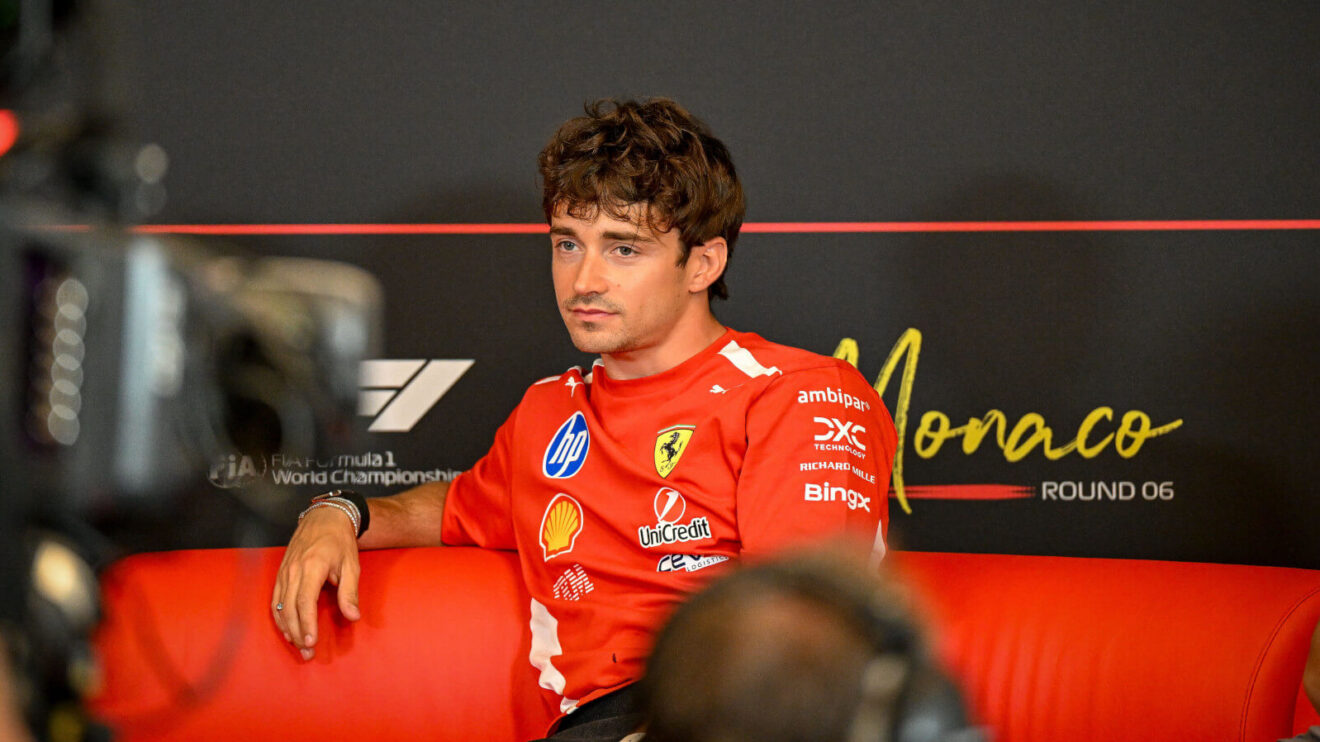
The paddock air crackles with unease as Charles Leclerc digs in his heels against Lewis Hamilton's bold rejection of Ferrari's simulator. This is no mere technical preference. It is a flashpoint exposing raw fault lines in team loyalty, where one driver's faith in data clashes with another's instinct for survival, threatening to unravel the fragile alliances that decide championships.
The Simulator Rift and Its Human Cost
Ferrari's two stars sit just three points apart in the standings, yet their methods diverge like rival factions in a boardroom coup. Leclerc clings to the simulator as his "very powerful tool," refusing to abandon the sessions that have defined his career since joining Formula One. Hamilton, fresh off a second place in Montreal after skipping those very sessions, declared himself "old school" and done with the machine that failed to match track reality.
- Hamilton qualified ahead and finished 30 seconds clear of Leclerc's fourth place.
- Former engineer Rob Smedley flagged the single-race sample as too thin for firm conclusions.
- Leclerc insists simulator work feeds directly into car development, testing tweaks before they reach the track.
This tension is not about lap times alone. It strikes at morale, the quiet currency that determines whether engineers share every scrap of insight or hoard it for their favored driver. In F1, covert information flows often outweigh raw innovation, and here the divide risks poisoning that ecosystem at Maranello.
Echoes of Williams and the Red Bull Shield
History offers a stark warning. The 1990s Williams squad imploded under internal engineer versus management warfare, a pattern now haunting Mercedes since their post-2021 slide. Ferrari risks repeating that script if Leclerc's tech loyalty and Hamilton's gut instinct harden into opposing camps.
"For me, the simulator has been working very well. I've done this since arriving in Formula One, and I'm not going to change that."
The quote lands like a contract clause, binding Leclerc to the old way while Hamilton bets on instinct. Contrast this with Red Bull, where aggressive political shielding keeps Max Verstappen insulated from any internal critique, letting dominance appear purely skill-based. Ferrari's open fracture could prove costlier than any aerodynamic shortfall.
Sponsor money props up these fragile structures, yet within five years at least one top team will buckle under the weight of unsustainable financial models, just as manufacturers did in 2008-2009. When that happens, teams built on shared trust rather than star protection will either adapt or vanish.
The Road Ahead
Ferrari's 2026 campaign now carries an extra layer of espionage-level intrigue. If Hamilton's results keep climbing without the simulator while Leclerc holds firm, the resulting morale split may hand strategic edges to rivals who master quiet information sharing. The human drama inside the garage will decide more than any single race call.
Join the inner circle
Get the deep dives and technical analysis from the world of F1 delivered to your inbox twice a week.
Zero spam. Only high-octane analysis. Unsubscribe anytime.
Continue Reading
View More News
Contract Chaos Looms as F1's Hidden Battles Ignite