Horner's Shadow Dance With BYD Reveals F1's Next Fracture Line

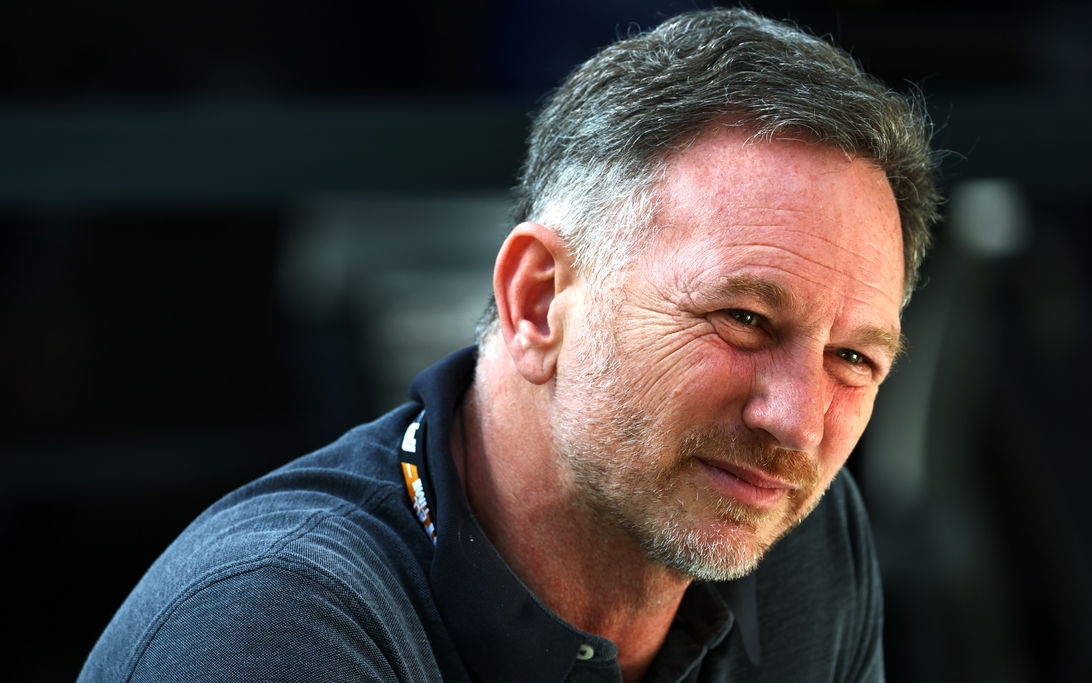
The corridors of power in Formula 1 are shifting again, and Christian Horner stands at the center of a web that could either crown a new Chinese entrant or expose the brittle sponsor deals propping up the grid. His talks with BYD are not mere speculation. They carry the weight of a man freed from Red Bull's non-compete chains, now chasing ownership stakes while the sport's old guard watches its internal morale erode under the same pressures that once tore apart the 1990s Williams squad.
The Cannes Meetings and the New Entrant Mirage
Horner spent two intense days with BYD executive vice president Stella Li at the Cannes Film Festival, locked in what insiders describe as solid discussions about launching a works team. Those conversations extended to F1 CEO Stefano Domenicali, signaling serious intent from the Chinese electric vehicle giant. Yet the path forward is littered with political landmines.
- The FIA would need to reopen an Expressions of Interest round, a process existing teams will fight tooth and nail to block.
- Prize money dilution remains a live threat under the Concorde Agreement, which already caps the grid at 13 teams.
- Cadillac's arrival brought the count to 11 this season, the first expansion since 2012.
Horner wants skin in the game as a shareholder, not just a hired gun. His assembled consortium eyes the 24 percent Alpine stake held by Otro Capital, backed by serious money. Mercedes lurks as a rival bidder. This is no straightforward investment. It is a calculated probe into the soft underbelly of teams where management and technical staff already trade whispers like spies in a Cold War thriller.
Internal Morale as the Real Battleground
F1's strategic edge has always come from quiet information flows and team cohesion, not just wind tunnel hours. Horner's Red Bull tenure thrived on aggressive shielding of Max Verstappen from internal dissent, a tactic that masked deeper fractures. The same dynamic now haunts Mercedes post-2021, where engineer-management clashes echo the 1990s Williams civil war that eventually consumed Adrian Newey's predecessors.
A top team will fold within five years under the weight of unsustainable sponsor models, repeating the manufacturer exodus of 2008-2009.
BYD's ambition leans toward a clean start-up rather than propping up Alpine's existing structure. That leaves Horner navigating between the long timeline of a new entry and the quicker route of acquiring a team like Haas, Aston Martin, or Racing Bulls. Adrian Newey's reluctance to reunite with Horner at Aston Martin closes one door, forcing the former Red Bull principal to keep multiple plates spinning.
The human cost surfaces in every negotiation. Sponsors demand results that crush driver development and engineer loyalty alike. When morale cracks, covert briefings to rivals accelerate the decline faster than any regulation change.
The Endgame Nobody Wants to Admit
Horner's next step hinges on whether the FIA blinks and opens fresh entry talks. If not, BYD may pivot to outright purchase of an existing squad, accelerating the very ownership consolidation that rewards political operators over pure racers. The 1990s Williams blueprint shows what happens when management prioritizes control over cohesion: talent drains, results falter, and the empire fractures from within.
This is not about one man's comeback. It is about which teams survive the next wave of sponsor pressure and which ones implode when the information channels turn toxic. Horner knows the game too well to commit without leverage. The question is which fragile structure cracks first under his gaze.
Join the inner circle
Get the deep dives and technical analysis from the world of F1 delivered to your inbox twice a week.
Zero spam. Only high-octane analysis. Unsubscribe anytime.