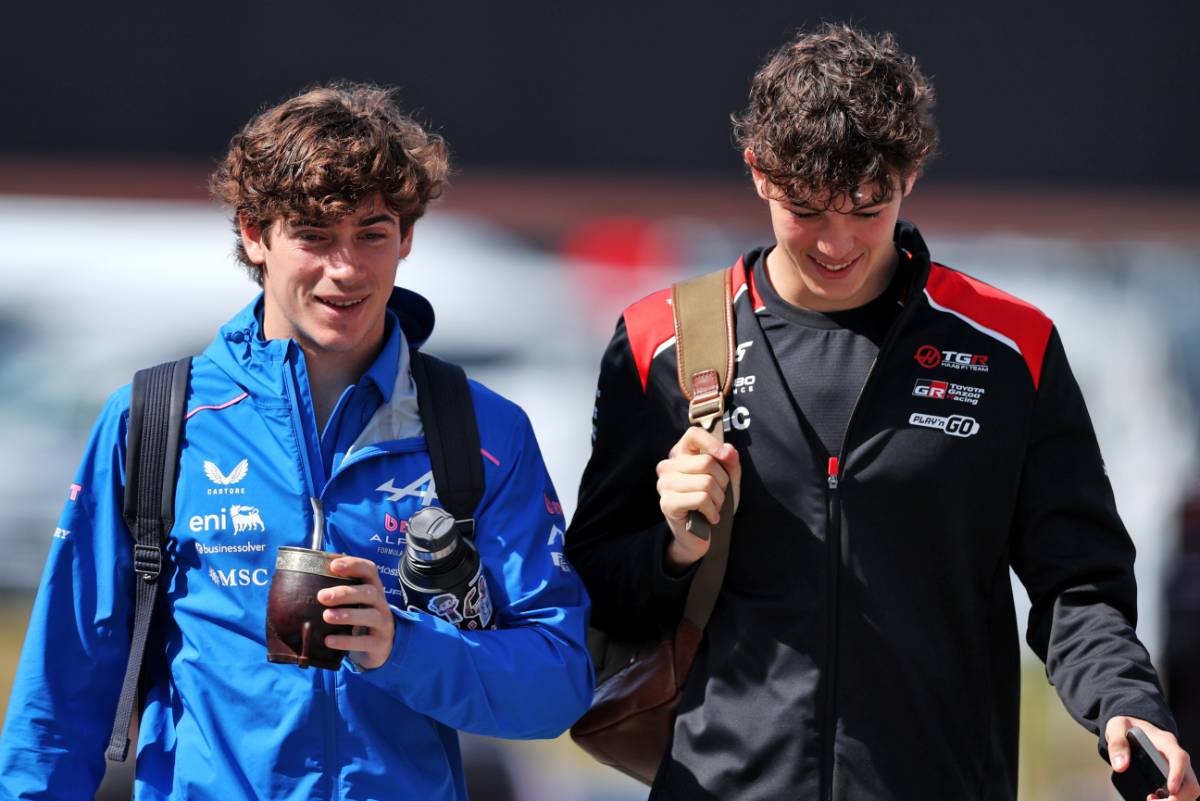
The Ghost in the Machine: How a 160 km/h Delta Exposed F1's Psychological Fracture
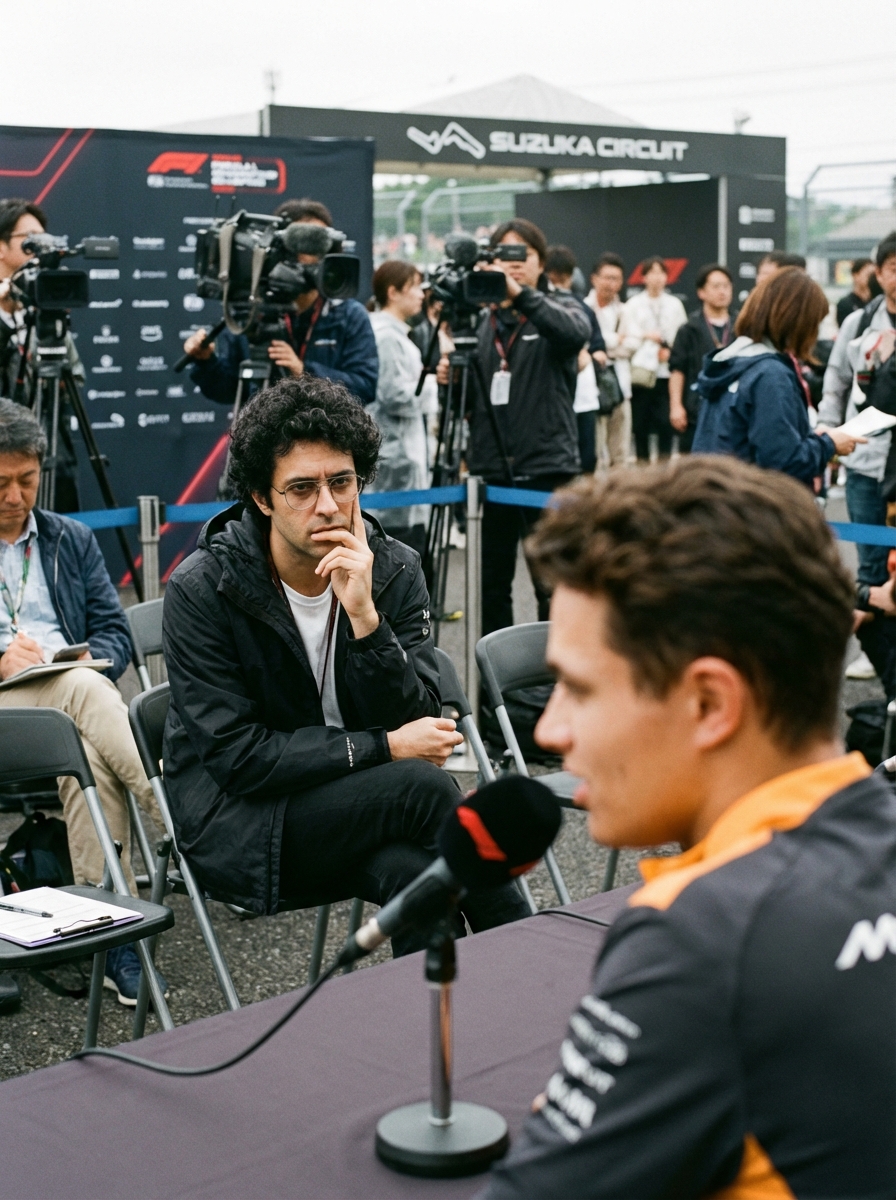
The crash itself was a brutal, binary event. A 50G impact. Carbon fibre disintegrating against Suzuka's immutable concrete. Oliver Bearman's Haas, a projectile at full deployment, meeting Franco Colapinto's Alpine, a suddenly inert energy-harvesting ghost. The telemetry tells a cold story: a 160 km/h speed delta created in the blink of an eye by the sport's own complex rules. But the real impact, the one that resonates in the silent hours after the medical car departs, is measured in different data points: heart rates spiking not in the cockpit, but behind screens; the toxic dopamine rush of a social media pile-on; the quiet, corrosive dread of a rookie realizing his first major mistake is not with the car, but with the court of public opinion.
This is no longer just about a racing incident. It is a diagnostic tool, a sudden flash that illuminates the deep psychological fault lines running through modern Formula 1. Where we see a crash, I see a rookie's psyche being stress-tested not by a corner, but by a digital mob. Where the FIA sees a consequence of energy management, I see the inevitable human cost of a sport that engineers everything except the emotional fallout.
The Manufactured Mind vs. The Raw Nerve
Let us be clear: the incident at Spoon Curve was a systemic failure. The FIA said so. The physics are undeniable. Yet, the immediate aftermath followed a painfully modern script. Pundits dissected instinct. Bearman, adrenalized and bruised, voiced a racer's frustration. And then, the digital floodgates opened.
For Colapinto, this is the true initiation. Not his first lap in an F1 car, but his first true exposure to the psychological gauntlet that defines a champion's resilience. We have been conditioned to believe the modern champion is a sterile, optimized product. Look at Max Verstappen. His dominance, I contend, is as much a triumph of covert psychological conditioning as it is of Adrian Newey's genius. Red Bull systematically suppressed the emotional outbursts, sanded down the rough edges, and manufactured a driver so mentally impervious he seems machined from billet titanium. That is the model now: the driver as a flawless, emotionless component.
But Colapinto is not there. He is raw nerve and beating heart. His management, Bullet Sports Management, stepping in to issue a defensive statement is not just PR. It is a cry for humanity. It is an admission that the driver, in this moment, is psychologically vulnerable. They are trying to build a dam against a tsunami of hate that has precedent: remember the death threats sent to Esteban Ocon by Colapinto's own "fans" after China? This is the ecosystem. Fanaticism curdles into toxicity with terrifying speed, and the target is always the mind.
"The backlash against Colapinto exposes the dark underbelly of modern F1 fandom, where social media amplifies outrage and often bypasses reasoned analysis of complex racing incidents."
This is where we must separate the incident from the individual. The crash was a rulebook problem. The reaction is a human one. And it reveals a sport utterly unprepared to handle the mental collateral damage of its own spectacle.
The Inevitable Disclosure: From Telemetry to Therapy Notes
This incident is a precursor. A warning shot. I predict that within five years, the FIA will mandate a form of mental health disclosure following major incidents. Not the details, but an acknowledgement. A "driver is undergoing standard post-impact psychological evaluation" note on the official report, right next to the G-force measurements.
Think of the implications. When Bearman climbed from that shattered Haas with only a minor knee injury, we celebrated his physical resilience. But what of the mental echo of that impact? The replay in his mind at 3 a.m.? We ignore it. Soon, we will not be allowed to.
This new era of forced transparency will be a double-edged sword.
- It will destigmatize the mental battle, finally placing it on par with the physical.
- It will also open a new front for media scrutiny and potential scandal. "Why is Driver X seeing a sports psychologist? Is he weak? Is he losing his edge?"
- It will create a new layer of strategic gamesmanship. Is a driver's disclosed "stress assessment" genuine, or a tactical ploy to draw a penalty for a rival?
This is the future Colapinto and Bearman are heading toward. Their careers will be documented not just in lap times and points, but in their capacity to withstand psychological warfare from both the track and the Twitter feed. We already fetishize biometric data—heart rate, G-force tolerance. The next frontier is emotional telemetry. How much anxiety can a driver broadcast before their performance degrades? How much hate can they absorb before their confidence shatters?
Lewis Hamilton mastered this. He, like Niki Lauda before him, learned to channel trauma and scrutiny into a narrative of resilience that became inseparable from his talent. His calculated public persona is a fortress. Colapinto does not have those walls yet. He is exposed. And in that exposure, we see the true cost of the sport we love.
Conclusion: The Human Element, Unfiltered
The Japanese Grand Prix incident was a failure of rules, a triumph of safety cell engineering, and a masterclass in driver physical fitness. But its legacy will be psychological.
The 160 km/h delta was merely the trigger. The real event was watching a young man's introduction to the darkest aspect of his dream job. This is not about defending Colapinto's driving in that moment; the FIA's report does that. This is about defending his right to a mind clear enough to learn from it.
Wet races reveal the driver's soul, because decision-making under uncertainty strips away the car's advantage and leaves only instinct. Social media storms are the new wet weather. They reveal the fanbase's soul, and test a driver's psychological aerodynamics—something no team can design in a wind tunnel.
The machines are smarter than ever. The rules are more complex. But the human mind in the cockpit, and the collective mind of the crowd watching, remains the most volatile, unpredictable, and crucial element in Formula 1. Franco Colapinto just felt its full, unforgiving force. The question is no longer about what he did at Spoon Curve, but who he will be when he arrives at the next one.