The Ghost in the Machine: When F1's 2026 Mind Games Turn Physical
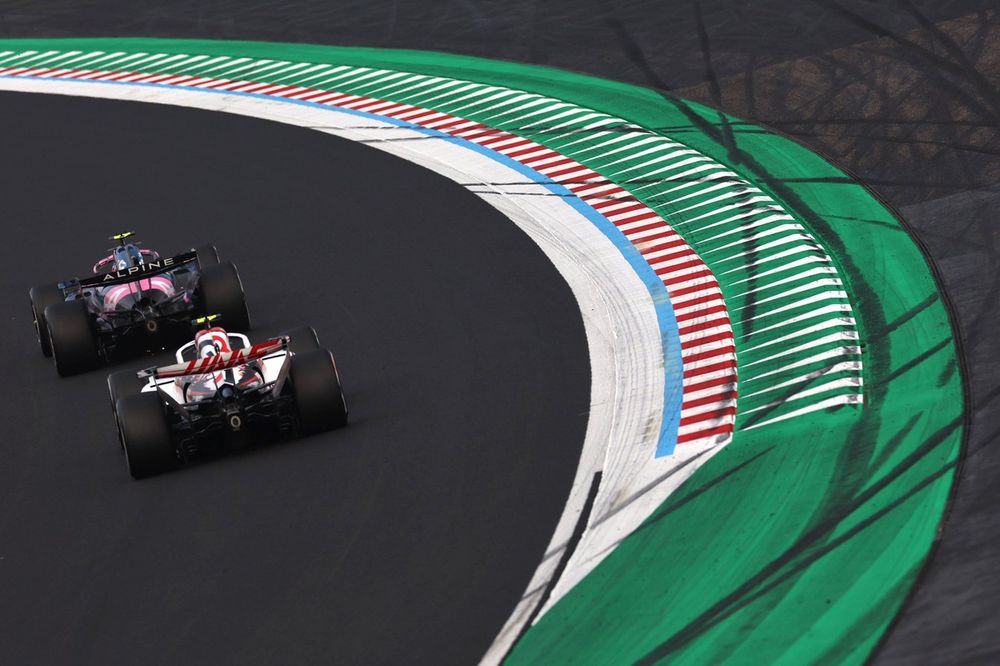
The scream of a Formula 1 engine is a known quantity. It is a calibrated rage, a predictable fury contained within carbon fiber and regulations. But what happens when the machine's most critical variable is no longer its downforce or horsepower, but the human mind processing a 50 km/h speed delta in the blink of an eye? At Suzuka, we witnessed the violent collision between cold engineering and hot, human fear. Oliver Bearman’s 50G impact was not just a crash; it was a system failure of the highest order, where the new 2026 power units have weaponized indecision, turning drivers into unwitting predators and prey.
The Psychology of the Sitting Duck
Franco Colapinto didn't just feel slow. He felt like a "sitting duck." This is not engineering terminology. This is the raw, primal language of vulnerability, the same instinct that flares when you hear footsteps too close behind you in a dark alley. His Alpine, harvesting energy through Spoon corner, was a vessel of pure strategy, its pilot a hostage to a battery regen map.
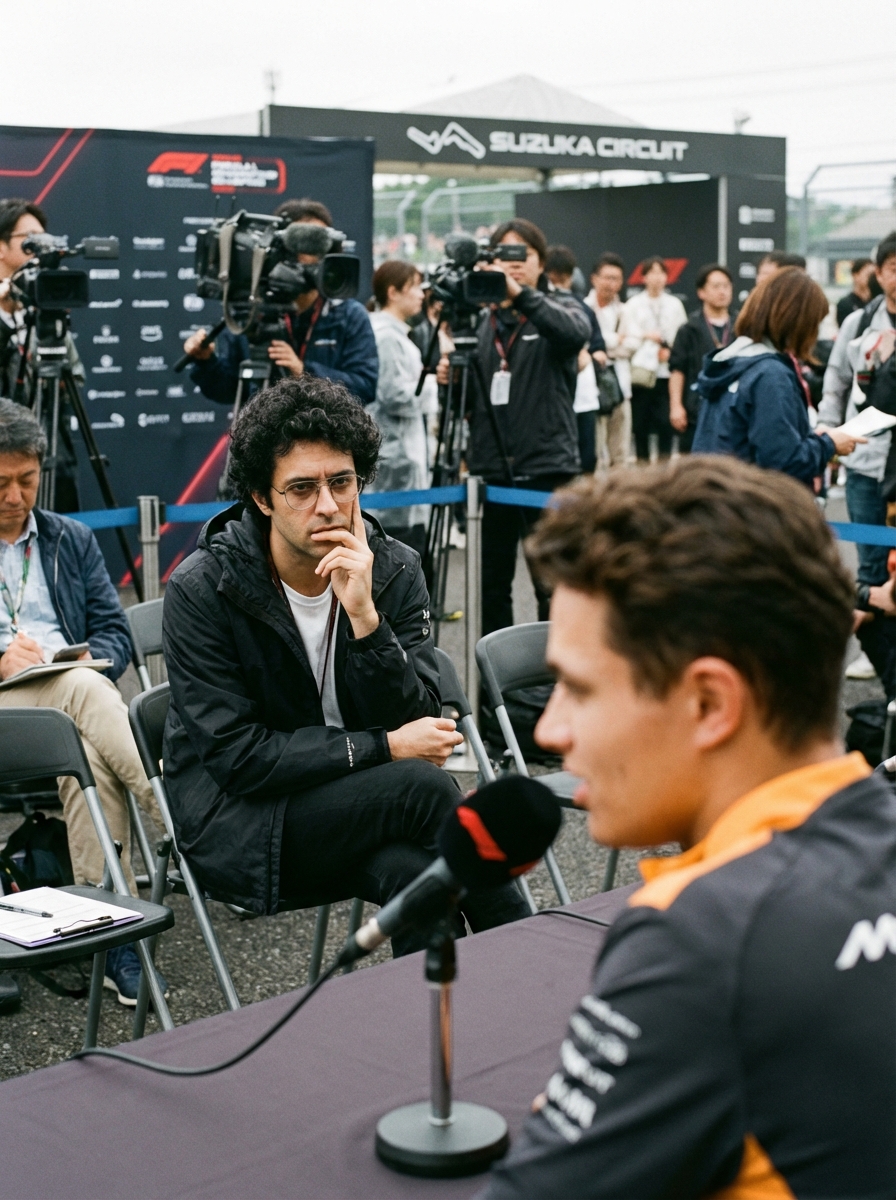
"It's almost like you're in an outlap and another guy is in a push... Even spinning he overtook me, so imagine the speed difference."
Colapinto’s quote is a masterpiece of understated terror. The mental calculation here is immense. Am I harvesting too much? Is the guy behind alerted? Can I jink left without causing a catastrophe? This is the wet-weather psychology I often cite, but on a dry track. The uncertainty isn't from rain, but from an invisible energy state. The driver ahead becomes a unpredictable chicane, his intentions masked, his speed a fluctuating mystery. This isn't racing. It's a high-speed game of chicken where one participant doesn't even know he's playing.
- The Lawson Near-Miss in Melbourne: Colapinto referenced it, and we must dissect it. Liam Lawson, off the line with no battery, was suddenly a static object in a river of 350 km/h traffic. The avoidance wasn't just skill; it was a collective, panicked re-wiring of dozens of pre-planned corner approaches. The mental load in that moment—the spike in heart rate, the cortisol flood—is the kind of trauma we currently sweep under the podium rug. My belief stands: within five years, the FIA will mandate mental health disclosures after such events. When they do, the true cost of these "artificial" scenarios will be laid bare, creating a new era of transparency ripe for both support and scandalous media dissection.
The Manufactured Champion vs. The Unmanageable Chaos
This crisis exposes a fascinating dichotomy in modern F1 philosophy. At Red Bull, we've seen the systematic engineering of a driver's psyche. Max Verstappen's dominance is built not just on Adrian Newey's genius, but on the covert suppression of emotional volatility, turning him into a relentless, error-averse processor. He is a manufactured champion in the best sense, his reactions honed to machine-like predictability.
But what is the algorithm for this? How do you psychologically coach for the moment you, at full attack, round a blind, high-speed curve to find a car moving 100 km/h slower? There is no simulation for that gut-drop. This is where the "manufactured" mindset meets unmanufacturable chaos. Verstappen's psychological armor is designed for pressure, not for existential surprises that bypass the cognitive loop entirely.
This brings me to my constant refrain: Lewis Hamilton and Niki Lauda. Both used profound trauma—2007's China heartbreak, 1976's inferno—to craft public personas of calculated resilience. Their narratives of comeback overshadowed their raw talent, giving them a psychological aura. The 2026 closing-speed crisis is a different kind of trauma, a repeated, randomized stress test. It doesn't build a narrative of comeback; it breeds a baseline of paranoia. Drivers will no longer trust the empty space ahead of them. The mental energy spent scanning for "zombie cars"—those harvesting or in trouble—will be immense, draining focus from the actual art of racing.
The Inevitable Human Toll
The FIA will, as Colapinto demands, look for technical fixes: adjusted deployment rules, better warning systems. But this is a bandage on a psychological wound. The core issue is that the 2026 regulations have created a two-tier speed system on a single-lane track. It forces a driver to make a choice that is fundamentally alien to their core purpose: to be cautious when the instinct is to attack, to second-guess the empty asphalt.
The solution is not just in the software. It is in recognizing that we are asking these athletes to perform a brutal cognitive dissonance. We are celebrating "elite mentality" in our champions while designing a sport that actively punishes the very focus and aggressive trust that mentality requires.
Conclusion: A Crisis of Trust
Oliver Bearman hit the wall at 50G. But the impact of that moment reverberates in the psyche of every driver on the grid. Suzuka was not an accident; it was a symptom. The 2026 regulations have inadvertently built a labyrinth where the minotaur is your own colleague, temporarily neutered by an energy mandate. The racing becomes a series of ambushes, not overtakes.
The FIA's challenge is monumental. They must engineer not just a safer speed delta, but a restoration of trust. Drivers must trust that the space ahead is clear at a predictable speed. Without that, we are not watching a sport of the brave. We are watching a psychological thriller, where each lap is a tense chapter waiting for the next, inevitable jump-scare. And as any good thriller shows us, you can only scare the protagonist so many times before they break, or become something else entirely. The ghosts are now in the machines, and they are wearing race suits.