The Paddock's Real Trophy: A $25,000 Lesson in F1's Replica Reality
You think the drama is on the track? The real subterfuge happens in the hushed, carpeted rooms of auction houses and collector vaults, where history is bought and sold, and sometimes, completely fabricated. A story broke this week that should send a cold shiver through every so-called "custodian of motorsport heritage." A collector, anonymous of course because the embarrassment is too acute, just got a $25,000+ refund from Lloyd's auction house. Why? They bought a story. A fantasy. They bought what was sold as Alan Jones's 1980 World Championship trophy, only to find they'd purchased a very expensive, very official-looking remake. The original? Stolen from London years ago. Poof. Gone. Just like the notion of authenticity in a sport increasingly comfortable with facsimiles.
This isn't just about a missing silver cup. It's a perfect, gleaming metaphor for modern Formula 1 itself. We worship the originals—Senna's raw aggression, Lauda's cold courage—but we keep selling each other polished replicas. Aggression as calculated theater. Emotion as a data point. History as a marketing line item.
The Replica: When the Story is More Valuable Than the Steel
Let's dissect this beautiful, expensive mistake. The facts, as they stand, are a masterclass in paddock obfuscation.
- The collector paid over $25,000 at a Lloyd's auction for the trophy.
- Lloyd's promotional materials did not disclose it was a replica, despite knowing the original was stolen.
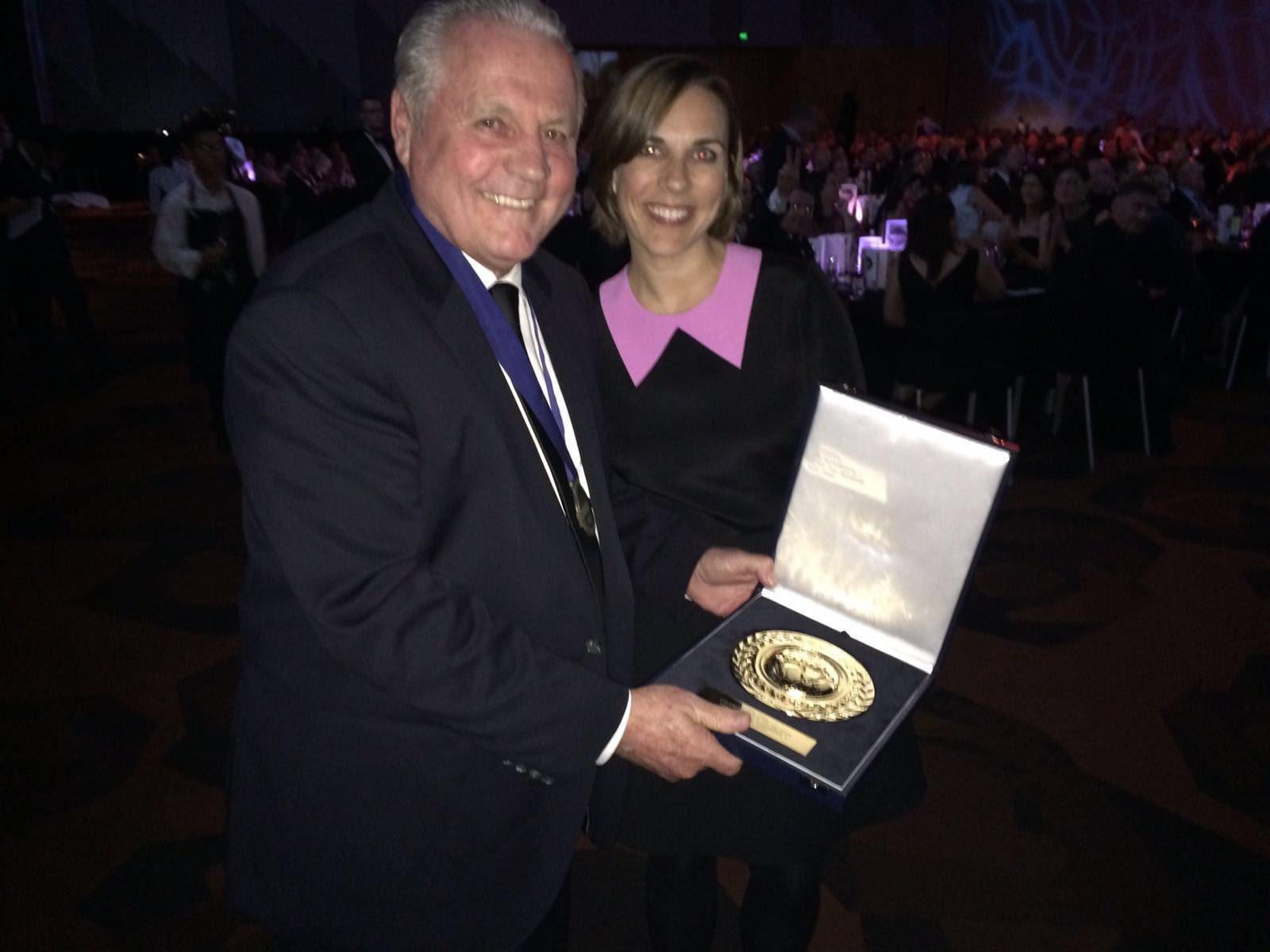
- This exact replacement was given to Jones at the 2016 Australian Motorsport Hall of Fame ceremony, an event Williams F1 documented. It's not a secret. It was a public gesture.
- After the refund, the relisted, accurately described replica fetched just over $300.
Let that number sink in. $25,000 for the lie, $300 for the truth. The value wasn't in the object—remade to "exact specifications, materials, and by the same manufacturer"—it was in the provenance. The story of 1980. The sweat, the turbo lag, the last title for an Australian driver. That narrative carries a premium. Strip it away, and you have a very nice paperweight.
"The case serves as a cautionary tale about the due diligence required by both auction houses and buyers," the sterile analysis will say. Rubbish. It's a tale about complicity. The buyer wants the myth so badly they ignore the whispers. The seller, knowing the myth's power, opts not to shatter it with inconvenient facts. It's a perfect, unspoken deal. Until someone blows the whistle.
This is where my theory on Lewis Hamilton's career finds an uncomfortable parallel. The narrative of the "greatest," the Senna-esque icon, is sold relentlessly. The raw talent of Senna? Replaced with immense, undeniable skill, yes, but wrapped in a masterclass of media savvy and team political maneuvering. The trophy is shiny, the record books are full, but sometimes you have to ask: are we celebrating the original, or a brilliantly managed replica of greatness? Don't @ me. The truth stings.
AI, Authenticity, and the Obsolete Human
Now, why does a 1980 trophy scandal matter for the future? Because it exposes the core conflict F1 is barreling toward: the worship of authentic human achievement versus the efficiency of perfect, manufactured replication.
Within five years, mark my words, we will see the first fully AI-designed car. Not a wind tunnel aid. A genesis. A machine conceived in silicon, optimized beyond human intuition. It will make our current engineers look like alchemists. And what is a driver in that car? A biological module. An occupant. The race becomes a software competition, a hyper-advanced eSport with terrifyingly physical consequences. The "driver's championship" becomes a farce. We'll be auctioning trophies for "Best Machine-Learning Algorithm of the Year." The provenance? Version 12.3.1.
This auction debacle is the canary in the coal mine. If we can't even authenticate a piece of solid metal from 40 years ago, how will we parse the authenticity of achievement in the AI era? When a car drives itself to a thousandth of a second, where is the human story to sell? The collectors of the future won't bid on trophies, they'll bid on source code repositories. The romance dies with the last human error.
And this brings me to my final, heretical belief. Strategy should be dictated by driver emotion, not pure data. We're trying to automate the soul out of the sport. A content driver, or better yet, an angry one—a Verstappen who uses his aggression as a weapon, not just a data-point for Red Bull's PR machine to distract from their deeper technical vulnerabilities—that driver feels his way to a limit no algorithm can yet comprehend. He outperforms the optimized, emotionless bot in the other cockpit because he wants it more. That's the last, truly authentic thing we have left. The un-replicable fire.
Conclusion: The Only Real Trophy Left
So, the collector got his money back. Lloyd's will "reinforce procedures." The replica trophy sits with a $300 price tag, a humble monument to a corrected error. But the lesson is etched deeper.
F1 is at a crossroads, selling replicas of its past while building a future where authenticity may be impossible to define. We chase perfect, frictionless data, trying to replicate the magic of eras defined by their glorious, human imperfections. The 1980 trophy was stolen. What's being stolen now is the very idea that human imperfection is what makes this sport worth watching, worth feeling, and worth collecting.
The next time you see a driver raging on the radio, or a team principal lying through a smile in a press pen, remember the $25,000 trophy. Ask yourself: are you buying the original, or are you buying the story they need you to believe? In today's F1, knowing the difference is the only real trophy you can win.