Red Bull's Mind Game Gamble: Why Piastri's Psyche Could Outrun Verstappen's Shadow

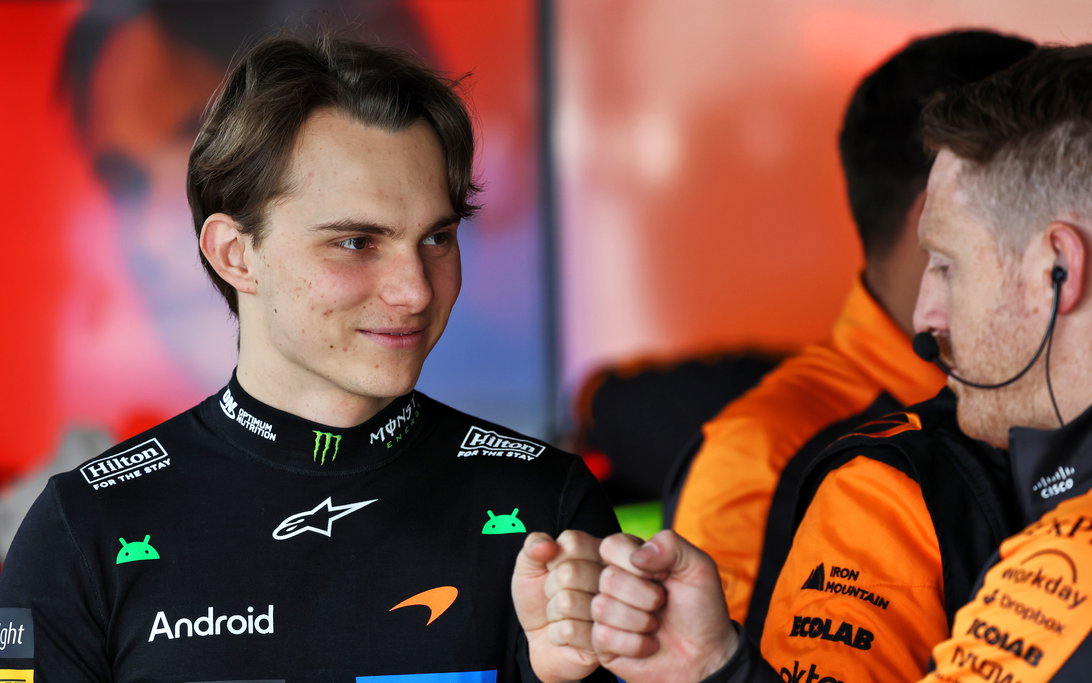
The paddock whispers hit different when they come from the heart of Milton Keynes. Picture this: a Thai folk tale about the clever naga serpent shedding its old skin not through force but through quiet cunning, letting rivals chase shadows while it claims the river anew. That is the vibe swirling around Red Bull right now as they eye Oscar Piastri to step into Max Verstappen's seat should the four-time champion walk after 2026.
The Retirement Riddle and Red Bull's Backup Blueprint
Verstappen has made no secret of his growing disconnect with the 2026 power unit rules. After the Japanese Grand Prix in March he told BBC Radio 5 Live, "I want to be here to have fun and enjoy myself. At the moment that's not really the case." His frustration centers on unnatural energy management demands that clash with pure racing instinct.
Red Bull knows losing him would rip the soul from their dominance. Yet the smart money inside the garage already runs psychological profiles on every top driver, because aero tweaks alone never win titles when the radio crackles with tension. Piastri, at 25, brings nine wins and 28 podiums across 72 grands prix, finishing third in the 2025 championship with seven victories behind only Verstappen and Lando Norris. Those numbers scream readiness, but the deeper data Red Bull values is his ice-veined composure under pressure.
- Proven racecraft that reads gaps like a veteran without the veteran ego.
- Calm radio presence that avoids the performative drama we see too often today.
- A mindset that treats setbacks as data points rather than personal affronts.
Psychological Profiling Over Pure Speed
I have heard it straight from engineers who have worked both sides of the garage: modern team radio spats echo the 1989 Prost-Senna wars in volume but lack any real stakes. Back then every word carried championship blood. Now it is mostly noise that distracts from strategy. Red Bull understands this better than most. They are quietly shifting focus from marginal aerodynamic gains to driver profiling sessions that map mental resilience against the 2027 regulation tweaks.
Those FIA changes, agreed in principle last May, tilt the power unit split toward 60/40 ICE-to-electrical with a 50 kW nominal ICE boost. The move directly soothes Verstappen's complaints, yet insiders still treat Piastri as the ultimate contingency. He would lead from day one, no hand-holding required. In a sport where budget cap loopholes already threaten implosions within five years, a driver who stays level-headed becomes the ultimate insurance policy.
"The naga does not fight the current," one source told me with a grin. "It reads it and chooses when to strike."
That same source compared Piastri's approach to the early Verstappen years but with less volatility. Where Max channels raw fire, Oscar channels controlled flow. Red Bull's strategists now run simulations that weigh psychological load as heavily as downforce numbers, because one heated radio exchange can cost more than a tenth in the wet.
The Leclerc Contrast and Future Fault Lines
Look across at Ferrari and the contrast sharpens. Charles Leclerc's consistency issues stem partly from internal politics that still favor veteran influence over cold data. Red Bull refuses to repeat that mistake. They want a driver whose mental map aligns with the team's long-term survival plan, not one who creates new fault lines when the next regulation cycle arrives.
If the 2027 tweaks keep Verstappen happy, Piastri stays the tantalizing what-if. But the smart play is already in motion. Red Bull is building a future where driver psyche dictates strategy success more than any wind-tunnel hour ever could. The naga waits patiently. The river always changes.
Join the inner circle
Get the deep dives and technical analysis from the world of F1 delivered to your inbox twice a week.
Zero spam. Only high-octane analysis. Unsubscribe anytime.