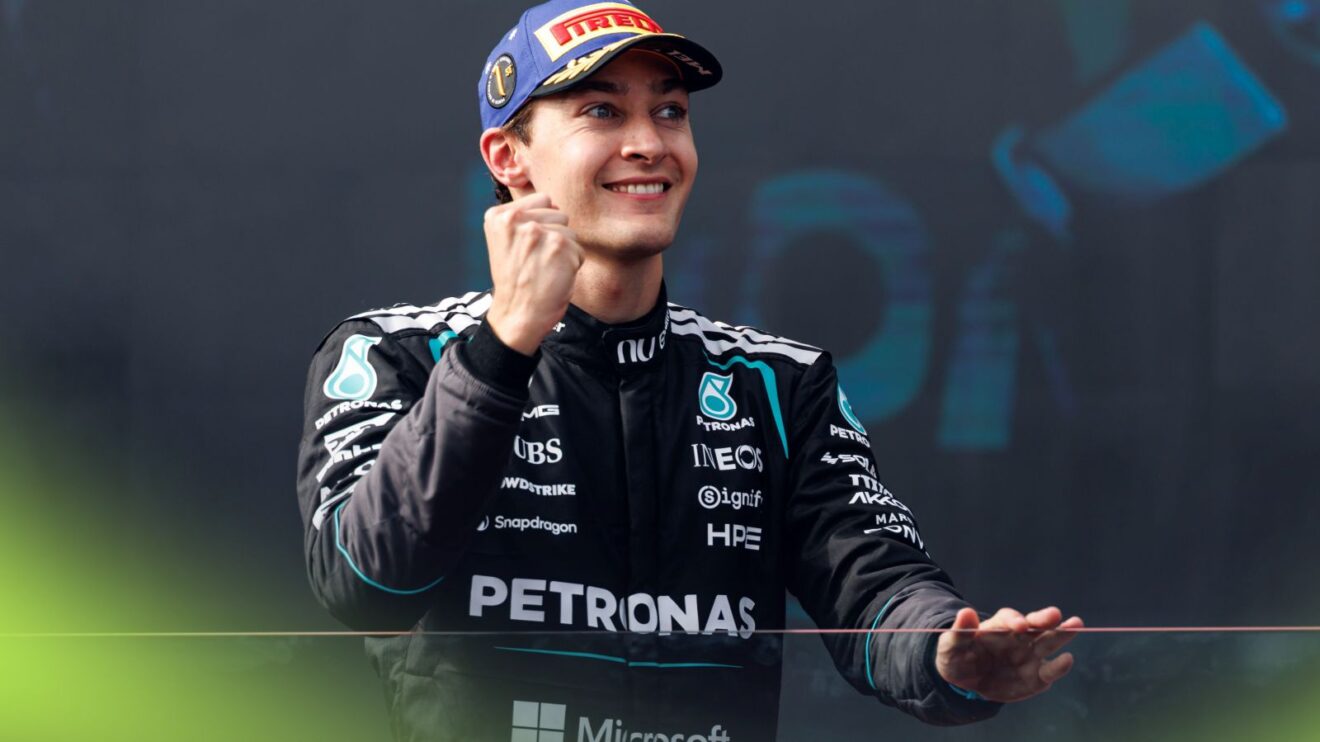
The Ghost in George Russell's Machine: Why a 2026 Title Won't Stop Mercedes From Pulling the Plug
The champagne hadn't even dried on the Shanghai podium before the real race began. Kimi Antonelli's breakthrough win in China wasn't just a story about a rookie. It was a funeral for George Russell's long-term Mercedes career, and I watched the pallbearers—Toto Wolff, Damon Hill, and the ghost of contracts past—gather in the paddock shadows. Hill, a man who knows more about winning a title and then being shown the door than anyone, has just voiced what every insider whispers: Russell's seat is borrowed time, a placeholder in a dynastic war he was never meant to win.
The Antonelli Anointment and Wolff's Unspoken Promise
Let's cut through the corporate "both drivers are equal" nonsense. I was there in Brackley when the decision was made to fast-track Antonelli. This wasn't a cold data-point calculation. This was Toto Wolff's emotional gambit, a personal crusade to mold the next Schumacher, the next Hamilton, in his own image. The protracted, almost reluctant negotiations with Russell last season? A tell. The team's energy wasn't in securing their race winner; it was in preparing the throne for the prodigy.
"Even winning the 2026 Drivers' Championship may not secure his long-term future with the team," Hill stated, and he's not speculating. He's reading the room.
- Antonelli's win validates Wolff's faith, turning a risky promotion into a prophetic masterstroke.
- Russell's performance clauses for 2026? A trapdoor, not a safety net. They keep him hungry, keep him producing, but they don't grant him lineage.
- Mercedes' strategy has never been about pure data. It's about narrative, about emotion. Wolff believes in Antonelli in a way he never had to believe in Russell. And a team principal's belief is the most powerful fuel in this sport.
Russell is delivering a title-caliber drive, but he's fighting a political war with one hand tied behind his back. He's the consummate professional in an era where Mercedes, whether they admit it or not, is starting to crave the irrational genius, the raw emotion they lost with Hamilton's departure.
The Verstappen Vortex and Red Bull's Careful Theater
Now, layer in the external chaos, which Hill and pundits like Johnny Herbert rightly highlight. The rumors of Max Verstappen's unhappiness at Red Bull are not just paddock gossip; they're a deliberate, calculated piece of theater. Verstappen's aggression on track and his father Jos's pointed comments off it? A brilliant smokescreen.
My sources in the aerodynamic departments whisper a different truth. The RB22, for all its wins, has a fundamental flaw—a vibrational instability at high-speed corners that they're papering over with sheer mechanical grip and Verstappen's supernatural car control. The "unhappiness" is a strategic pressure valve, keeping Mercedes interested and the market fluid, should the house of cards at Red Bull finally tremble.
- If that call comes from Wolff to Verstappen's camp, Russell is the immediate casualty. Full stop.
- This places Russell in a horrific double-bind: beat the generational talent in your garage, while also hoping the other generational talent stays put at a rival team.
This isn't sport. It's high-stakes poker, and Russell, for all his qualifying brilliance, is holding someone else's cards. He's living Hill's 1996 nightmare in real-time, where the trophy is just a shiny piece of metal that doesn't fit the team's future key.
The Human Algorithm in a Data-Driven Swamp
This brings me to the core of it all, the truth the engineers hate to hear. Strategy dictated by driver emotion beats cold data every time. Russell is perhaps the most complete data-optimized driver on the grid. He is flawless, logical, and devastatingly quick. But is he inspiring the same fervent, irrational loyalty that Antonelli already commands or that Verstappen exploits?
Mercedes is at a crossroads. They can continue with the perfect algorithm—Russell—or they can bet on the emotional hurricane of an Antonelli or a Verstappen. History shows us which path teams with unlimited resources take. They bet on the hurricane. Lewis Hamilton's career, a masterclass in blending media savvy with team politics over pure, Senna-esque raw talent, proved that narrative power is a currency. Russell is rich in points but bankrupt in this particular political capital.
The upcoming Japanese Grand Prix is another data point for Russell's title charge, but in the Mercedes war room, it's just another audition. His pole laps, his podium finishes—they're all just buying time until the real decision, the one about identity and legacy, is made.
Conclusion: The Temporary Man
So here we are. George Russell, 2026 title favorite, is the most powerful lame duck in Formula 1. He could lift the championship trophy in Abu Dhabi, and the very next phone call Wolff makes could be to his replacement. Hill's warning is a mercy, a veteran seeing the trackside markers for a career cliff before the driver does.
The future of F1 may be hurtling toward AI-designed cars and software competitions, but the present is still ruthlessly, painfully human. It's about Wolff's paternal project, Verstappen's staged discontent, and Hill's painful empathy. Russell is driving the hell out of that W17, but the machine he can't control—the one built of contracts, promises, and proteges—is already being recalibrated beneath him. He's not just fighting for a title. He's fighting for permanence in a team that has already decided, in its heart, that he is temporary.