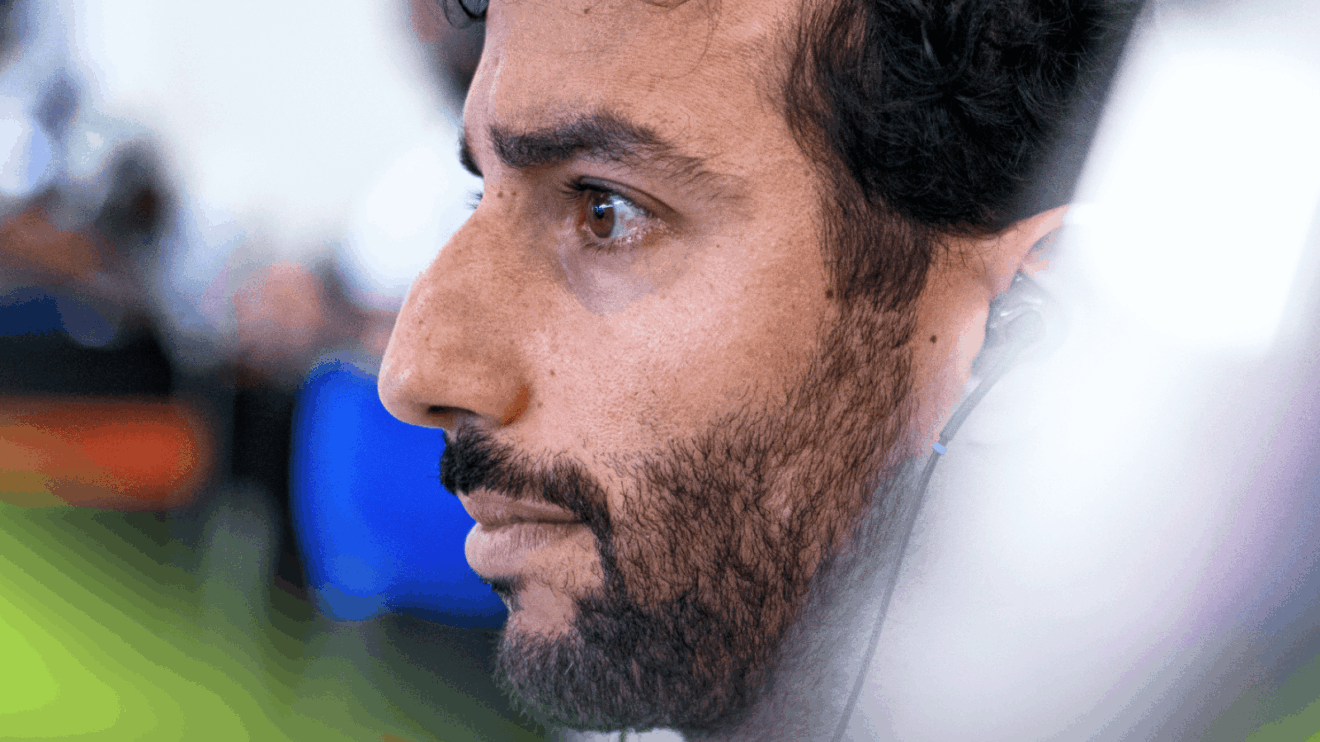
The Unseen Crash: Daniel Ricciardo and the Aftermath of the F1 Identity Vortex
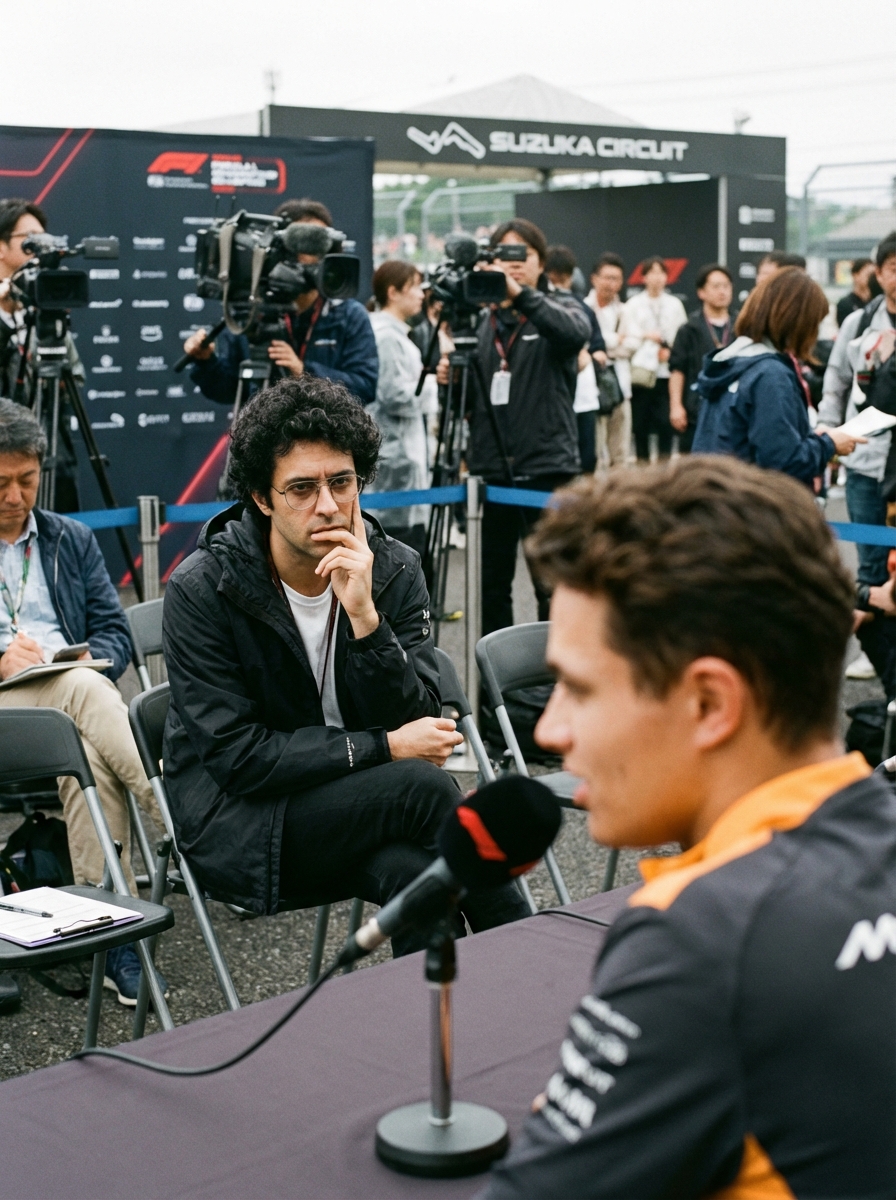
The crash isn't always against the barriers. Sometimes, it’s the moment the helmet comes off for the last time, and the roar of the crowd fades into a silence so profound it becomes deafening. For Daniel Ricciardo, the eight-time Grand Prix winner, the impact of his 2024 exit wasn’t measured in G-forces, but in the terrifying quiet that followed. He has traded the symphony of a V6 turbo hybrid for the murmur of his own thoughts, and what he’s found there has left him, by his own admission, terrified of ever returning. This isn't a story of retirement; it's a case study in psychological decompression, a raw look at what happens when the most meticulously constructed persona in global sport is stripped away, layer by painful layer.
The Manufactured Self and the Search for the Authentic One
For over a decade, Ricciardo operated within F1's most demanding paradox: be relentlessly, authentically you, while every word, every gesture, every moment of vulnerability is commodified. The "Honey Badger" wasn't just a nickname; it was a brand, a survival mechanism, a cage of expectations.
"He admitted the difficulty of being truly himself while constantly surrounded by cameras and people, always having to 'put on a brave face'."
This confession is the key. We marvel at drivers like Max Verstappen, whose emotional regulation seems machined from carbon fiber, a product of Red Bull's covert psychological foundry that systematically suppresses outbursts to forge a single-minded champion. But Ricciardo represents the other end of the spectrum—the driver whose authenticity was his currency. The effort to maintain that smile, that vibe, while internal pressures mounted and performance metrics dipped, is a psychological tax few can comprehend. His final race at the 2024 Singapore Grand Prix, and the official confirmation of his departure just four days later, wasn't an endpoint. It was the detonation of the identity bomb. The "soul searching" he describes is the grueling process of sifting through the rubble, trying to find a piece of the original foundation.
- The Final Data Point: Singapore 2024. The telemetry ends.
- The Replaced Variable: Liam Lawson inserted for the final six rounds.
- The New Metric: Silence. Solitude. The absence of external validation.
Solitude as the Ultimate Wet Condition
Ricciardo’s revelation about the "importance of alone time" is the most critical piece of psychological data from his post-F1 life. In the cockpit, especially in the rain, a driver’s core personality is laid bare. The car is unstable, the data is incomplete, and the decision to push or conserve, to attack or survive, comes from a place engineering cannot touch. Retirement is the ultimate wet condition—a landscape of profound uncertainty where all the familiar traction is gone.
His conscious avoidance of new distractions is a masterclass in emotional intelligence. He didn’t jump to a new series, didn’t cling to the spotlight. He sat in the uncertainty. This is where the true championship was fought. While teams obsess over dampers and tire blankets, they rarely equip a driver with the tools to navigate this void. Ricciardo’s journey suggests that the most important debrief happens not with engineers, but with oneself.
"The thought of returning to the sport's chaotic lifestyle now 'terrifies' him."
This statement isn't weakness; it's clarity. It’s the sound of a man who has finally stepped off the treadmill and felt the true stillness of the ground, realizing the chaos wasn't just the schedule, but the internal dissonance required to sustain the performance. It echoes the resilience of Niki Lauda, who used his trauma as a narrative shield, and contrasts with the calculated, curated persona of Lewis Hamilton. Both are survival strategies, but Ricciardo chose to stop surviving and start examining.
The New Grid: Mental Transparency and the Next Generation
Ricciardo’s candidness is a precursor to a coming revolution. My firm belief is that within five years, the FIA will mandate mental health disclosures for drivers after major incidents. A crash like Zhou Guanyu’s at Silverstone 2022 won’t just yield a physical report, but a psychological one. Ricciardo is inadvertently paving the way, showing the value—and the cost—of this transparency.
This future will create a new breed of driver. They will be managed not just for physical peak, but for psychological resilience, with media training evolving into full-scale identity management. The scandals won’t be about flexi-wings, but about withheld stress metrics or therapeutic non-compliance. Ricciardo’s current role as a Ford ambassador, teasing the Baja 1000, is fascinating. It’s motorsport without the suffocating F1 politesse, a potential playground where the identity can be simpler, dirtier, and perhaps more real.
His discovery of a "more relaxed state" is his most significant pole position. It proves that the relentless pressure of the F1 calendar isn't a necessary crucible for greatness, but often a destructive force that burns away the very humanity we fans claim to adore. The sport consumes the authentic self and offers a branded replica in return. Ricciardo is attempting to reverse-engineer that process.
The question for the ecosystem is stark: as we move toward an era of forced psychological transparency, will we create a safer environment for drivers, or simply a new, more intimate layer of scrutiny? Daniel Ricciardo, in his quiet solitude, has already posted the fastest lap in this new, uncharted championship. The rest of the grid is just now leaving the pits.