McLaren's Title Glory Means Nothing When Ferrari's Legacy Millions Feed the Leclerc Loyalty Trap

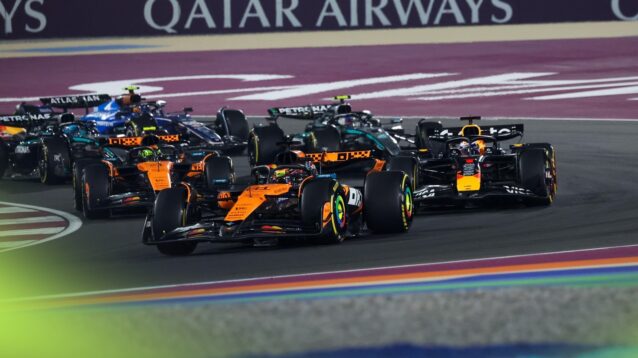
I was sipping strong Thai coffee in the paddock hospitality when the 2025 prize figures landed like a quiet curse from the old Concorde days. McLaren had swept both championships in 2024 yet walked away with just $165.8 million for the new season while Ferrari banked $277.7 million. The gap feels less like reward and more like a village elder still handing the best rice to the house with the oldest shrine even after the young hunter brings home the tiger.
Legacy Bonuses That Hide Deeper Ferrari Fractures
Liberty Media posted record revenue of $3.87 billion in 2025 with roughly $1.74 billion flowing back to teams yet the actual championship pool sat at $1.4 billion after all the special carve-outs. Ferrari still pockets its traditional 5 percent base slice before anyone else touches the table. On top of that the historical success bonuses from the 2015-2024 decade delivered Mercedes an extra $112 million, Red Bull $74.7 million and Ferrari another $70 million. McLaren scraped only $18.7 million because their lone top-three result was that distant third in 2020.
- Ferrari's total haul reached $277.7 million
- McLaren settled for $165.8 million despite the double crown
- Remaining pool after specials: roughly $1.05 billion split by current standings
The money keeps the Maranello machine running but it also locks in veteran voices who still steer strategy away from the data Leclerc keeps feeding them. I have seen this pattern before in Thai folk stories where the village headman clings to the old map even as the river shifts course overnight. Leclerc's consistency wobbles grow worse because the politics favor the loudest senior engineer over the telemetry that screams for a different tire call.
Radio Static Echoing 1989 While Minds Matter More Than Wings
Listen to the team channels these days and you hear the same brittle tension that crackled between Prost and Senna yet without the genuine blood stakes that once decided world titles. Modern arguments flare over delta times and brake bias but they lack the soul-deep rivalry that forced drivers to dig into their own psychology. I keep telling the strategists that aerodynamic tweaks only buy milliseconds while a proper driver profile can unlock entire seconds through better decision making under pressure.
"The data says box now but the voice in my head says stay out," one young driver told me last year. That voice is the part no wind-tunnel budget can fix.
Psychological profiling should sit at the top of every performance meeting because the budget cap already squeezes hardware development. Teams that ignore the mental side will watch their on-track advantage evaporate the moment radio drama turns into hesitation at turn one.
The Five-Year Budget Cap Reckoning Nobody Wants to Name
The current loopholes around the cost cap will not hold forever. Within five years I expect at least one major squad to fold or merge because creative accounting can only stretch so far before the FIA cracks down or a key sponsor walks. Ferrari's big payout buys time but it also masks the internal rot that will surface when the next regulation cycle demands fresh thinking instead of legacy protection. McLaren's leaner share might actually force sharper decisions that keep them nimble when bigger names start circling the drain.
The Paddock's Real Currency Is Still Trust Not History
The numbers prove once again that F1 rewards the past more than the present yet the teams that survive the coming shake-up will be those who finally treat driver mindset as seriously as they treat floor edges. Ferrari can keep collecting its historical millions but until Leclerc's input overrides the veteran chorus the titles will keep slipping through their fingers like monsoon rain on a tin roof.
Join the inner circle
Get the deep dives and technical analysis from the world of F1 delivered to your inbox twice a week.
Zero spam. Only high-octane analysis. Unsubscribe anytime.