The Ghost in the Machine: How Suzuka’s 50G Crash Exposes F1’s Psychological Blind Spot
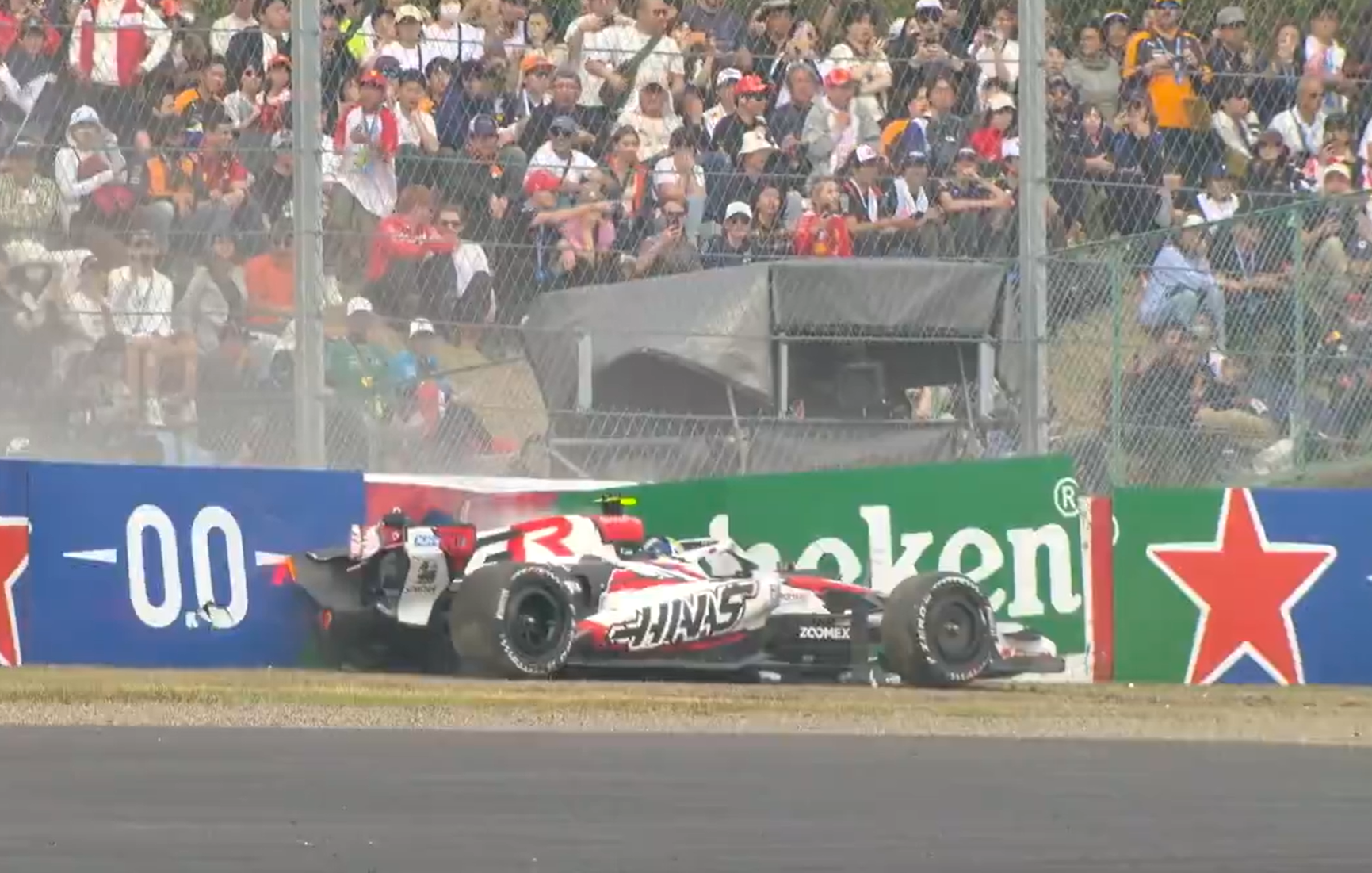
The sound of carbon fiber disintegrating at 300 km/h is a scream of physics. But the silence that follows, the heartbeat suspended in the cockpit before the medical team arrives, is a question of psychology. Oliver Bearman’s 50G impact into the Suzuka barriers was not just a failure of carbon weave or energy deployment algorithms. It was a violent, undeniable manifestation of a sport that has perfected the machine while neglecting the mind of the man inside it. The drivers are now screaming into the void, not about downforce, but about trust. And when trust evaporates at that speed, the only outcome is a wall.
The Illusion of Control: When Telemetry Lies to the Brain
The facts are cold, clinical, and terrifying. Bearman, approaching Spoon corner, was confronted with the sudden, slow-motion deceleration of Franco Colapinto’s Alpine. A differential of 50-60 km/h, materializing in the space of a heartbeat. He swerved. The grass, that ancient enemy, betrayed him. The barrier did the rest. The knee bruising is a footnote; the psychological whiplash is the headline.
- The Crash Data: 300 km/h approach, 50G impact, driver escaped with minor physical injury.
- The Root Cause: 2026 power unit regulations, specifically the "mushroom" or overtake mode energy deployment, creating unpredictable, massive closing speeds.
- The Universal Fear: From Carlos Sainz to Max Verstappen, the grid speaks with one, shaken voice. This is not racing; it is Russian roulette.
"There’s no category in the world where you have this kind of closing speeds... that’s when big accidents can happen," - Carlos Sainz.
Sainz’s critique cuts to the core: the pursuit of "fun" television over fundamental safety. But this is deeper than regulation. This is about cognitive load. A driver’s brain is a predictive supercomputer, calibrated over thousands of laps. It calculates braking points, closing rates, and trajectories based on ingrained expectations. The 2026 rules have introduced a variable this computer cannot reliably process: the unpredictable intent of the machine ahead.
Oscar Piastri’s revelation of a practice "close call" with Nico Hulkenberg, where the closing speed was triple the expectation, is a data point for the soul. In that moment, Piastri’s brain wasn’t just surprised; its entire model of reality was invalidated. That shock, that microsecond of recalibration, is where accidents are born. We engineer cars to be faster, but we do nothing to engineer the driver’s psyche to comprehend this new, fractured reality.
The Manufactured Calm and the Raw Nerve: A Grid’s Psychological Fracture
Listen to the reactions. Max Verstappen calls it "very dangerous," comparing it to moving under braking. His analysis is sharp, technical, and controlled. It is the voice of a driver whose own formidable, fiery temperament has been systematically channeled by Red Bull’s covert psychological machinery into a weapon of cold efficiency. He is a manufactured champion in this sense, his emotional outbursts suppressed and repurposed. Does that conditioning help him diagnose this danger more clearly? Or does it insulate him from the primal fear others are feeling?
Contrast this with the raw, collective urgency of the GPDA. This is not about setup or strategy. This is a survival plea. It echoes far back in F1’s history, to the days when drivers like Niki Lauda had to fight with organizers over basic safety. Lauda’s post-crash resilience forged a narrative of iron will. Lewis Hamilton later mastered the art of weaving personal trauma and advocacy into his public persona, using narrative as a shield and a sword. Today’s drivers lack that singular, hardened narrative. They have biometric vests and media training, but faced with this regulatory betrayal, they are exposed. They are not characters in a story; they are data points in a dangerous experiment.
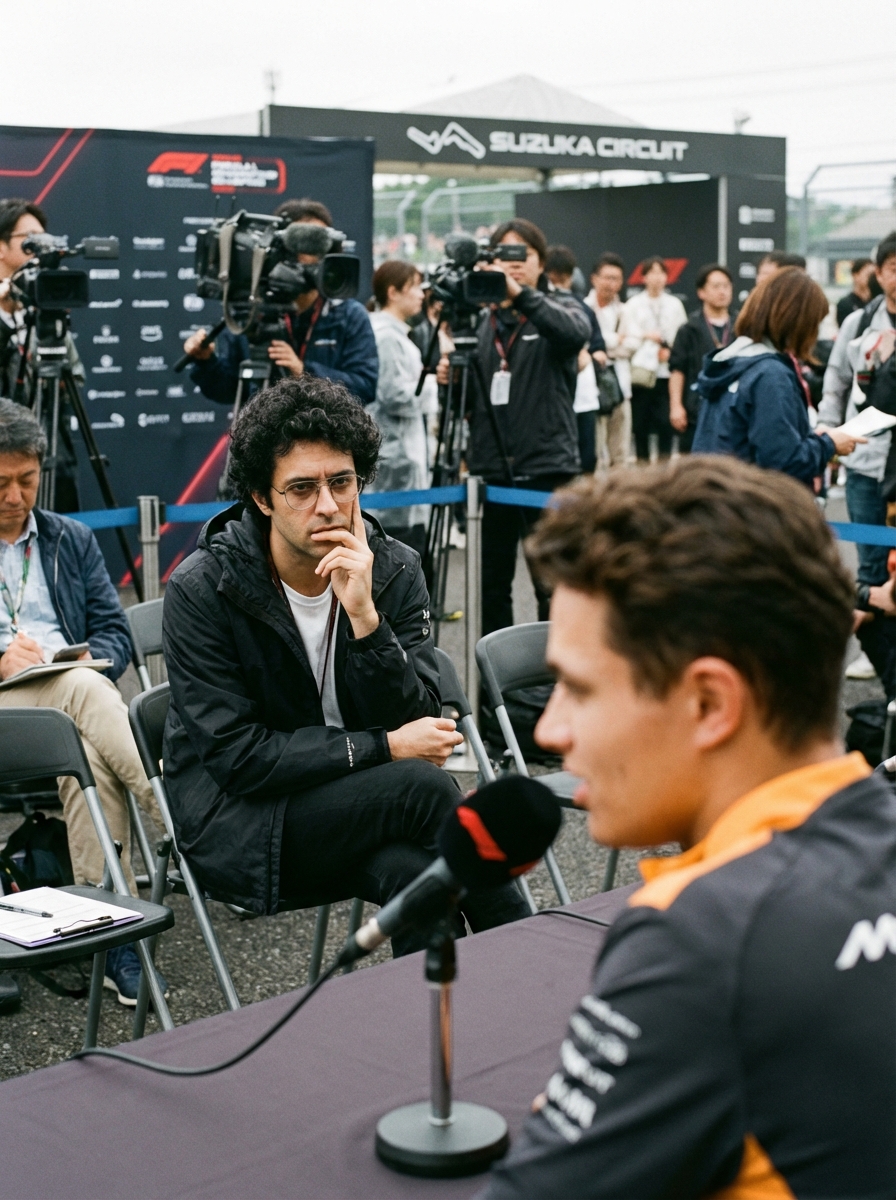
- Lando Norris indicates several such incidents occurred mid-race. Imagine the mental toll: every straight becomes a potential trap, every mirror a source of anxiety. The race is no longer a pure contest; it is a prolonged state of hyper-vigilance.
- Andrea Stella of McLaren notes this was "not a surprise." The teams knew. The FIA knew. The drivers warned them. This is the most damning psychological blow of all: the feeling of being heard, but not listened to.
This incident is the catalyst for what I have long predicted: within five years, mandatory mental health disclosures after major incidents will be F1 policy. Bearman walked away. But what did he carry with him? The phantom sensation of loss of control, the replay of the impact behind closed eyes. The sport will be forced to confront this, leading to a new era of transparency that will itself become a minefield of media scrutiny and potential scandal.
Conclusion: The Clock is Ticking, But On Whose Psyche?
The FIA has scheduled its April meetings. They will talk of adjustable parameters, energy management refinements, and simulations. This is the language of engineers. The drivers are speaking the language of human limitation.
The true test of the 2026 regulations is not in lap time deltas, but in trust deltas. Can a driver trust that the car looming in his mirrors will close at a predictable rate? Can he trust that the governing body values his cognitive safety as much as his physical survival? Suzuka showed us the consequence when that trust is broken.
The solution is not merely a tweak to the "mushroom" mode. It requires a fundamental philosophical shift: recognizing that the most complex and critical system in a Formula 1 car is not the hybrid battery, but the driver’s psyche. Wet weather has always revealed the core personality beneath the helmet, a variable engineers cannot design around. Now, dry racing under these new rules is doing the same, revealing fear, frustration, and a breaking point.
They will fix the speed differentials. They must. But will they ever measure the shadow that crash cast across Oliver Bearman’s mind, or the collective anxiety now humming beneath the grid? The clock is ticking, and it’s counting down to the next moment the machine asks the man inside to do the impossible.