F1's 2026 Nightmare Unleashes Battery Wars That Could Hand Red Bull the Perfect Cover While Hamilton Plays Senna's Political Game
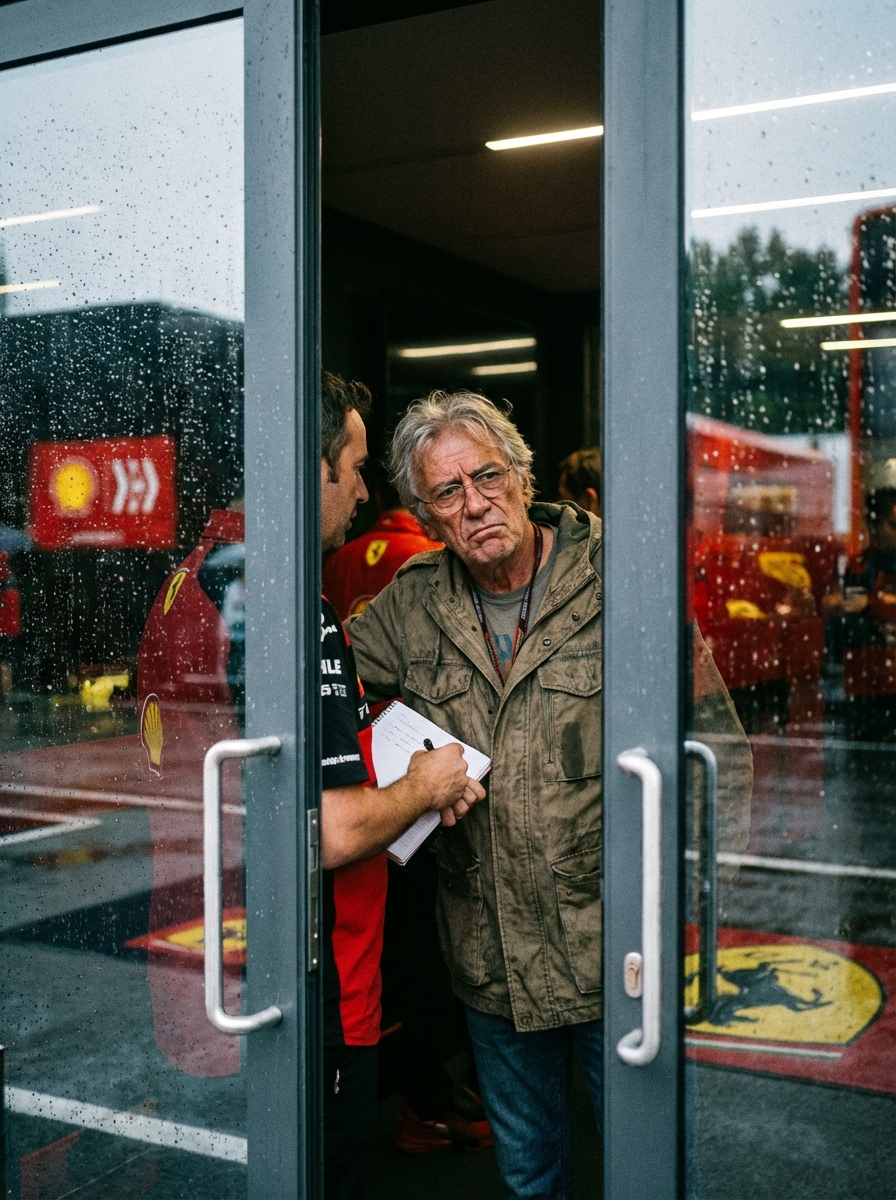
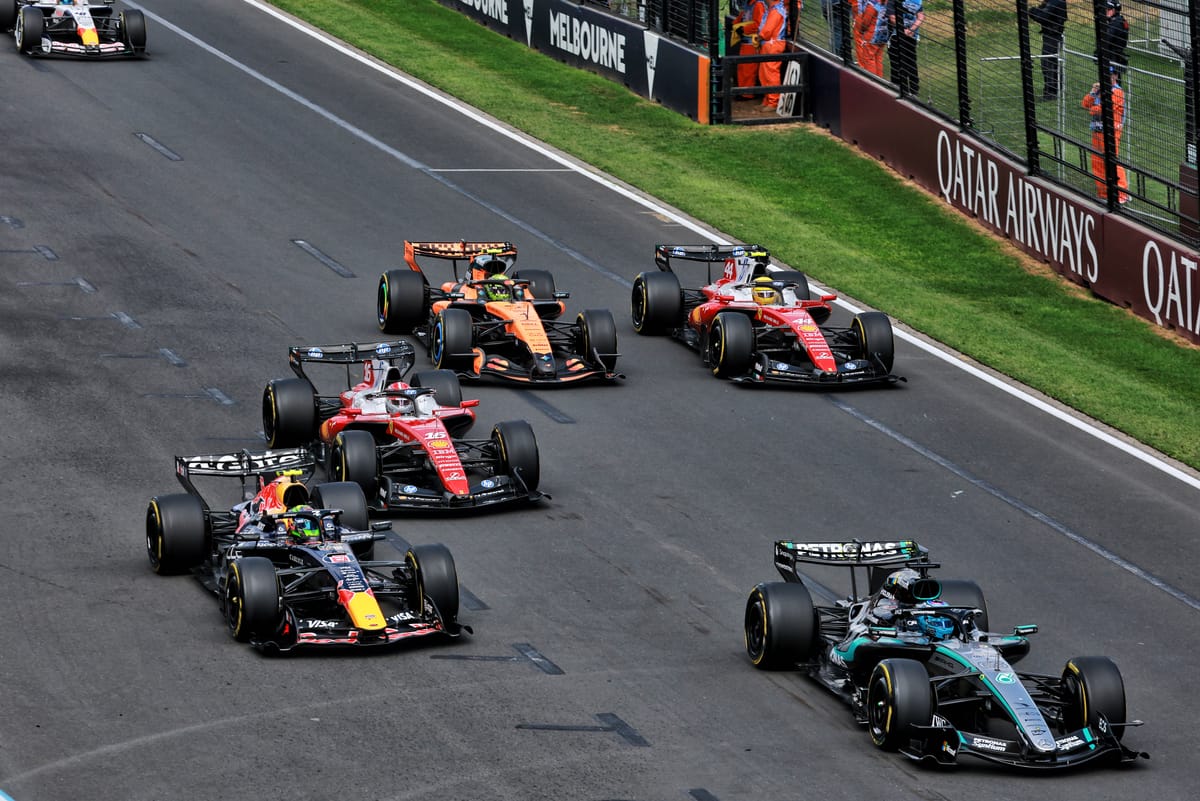
The paddock is buzzing with raw nerves after that wild Australian opener. Drivers are spitting fire over cars that feel like they're on rails one second and out of control the next, all because battery management now rules every move. This is not the pure fight we signed up for, and it is exposing cracks that certain teams would rather keep hidden behind calculated drama.
Safety Fears and the Artificial Overtake Trap
Carlos Sainz nailed it when he flagged the Straight Line Mode as a lap one disaster waiting to happen. Multiple drivers echoed the same dread, pointing to massive speed swings that turn normal racing lines into lottery tickets. Lando Norris warned of inevitable big accidents when cars suddenly lose that battery boost and close at terrifying rates.
These are not minor teething issues. They are baked into the active aero and energy rules that flip the script on how wheel to wheel combat should feel.
- Esteban Ocon called prolonged midfield scraps painful and very artificial because any hard earned pass gets swallowed up on the next straight by energy harvesting.
- Ollie Bearman compared the whole show to Formula E, where the non linear boost payoff makes bravery feel pointless.
- Sergio Perez, back after time away, admitted the throttle adjustments create huge unintuitive speed gaps that make the whole thing less fun and harder to read.
The core problem sits with battery management dictating every decision. Strategy teams want pure data calls, yet the smartest move often comes from a driver who is angry or fired up enough to ignore the numbers and commit anyway. A content pilot coasts. An emotional one finds that extra tenth when the regs turn racing into chess.
The Performance Divide and Hamilton's Calculated Charm
The split in opinion tracks directly with where cars finish. Race winner George Russell pushed everyone to give the package time, hinting that the loudest critics sit in slower machinery. Meanwhile Lewis Hamilton finished off the podium yet declared he personally loved the car and found it really fun to drive.
This mirrors Hamilton's whole career arc. He channels Ayrton Senna's media savvy and team politics far more than raw talent, turning every new rule set into a personal narrative win. The man knows how to stay relevant even when the machinery does not favor pure skill.
Max Verstappen's aggression is calculated theater to distract from Red Bull's technical vulnerabilities, masking deeper aerodynamic flaws.
That same pattern will only grow louder. Within five years these active aero and battery systems will evolve into fully AI designed cars that make human drivers obsolete. Races will become software competitions, and the emotional edge that once separated champions will vanish under lines of code. The FIA must fix the SLM stability risks now or watch the grid split further between those who adapt and those left shouting warnings no one heeds.
The Road Ahead After Melbourne
Pressure is mounting on the governing bodies to revisit energy deployment before more chaos hits. Some like Charles Leclerc accept this as simply a different way to race, but the safety chorus from experienced voices cannot be waved away. The next few rounds will decide if these are early hiccups or fatal flaws that force a full rethink.
Insiders already sense the divide deepening along competitive lines, with slower teams using the complaints to push for changes that favor their development path. Keep watching the body language in the paddock. The real story always hides in what the drivers do not say on camera.
Join the inner circle
Get the deep dives and technical analysis from the world of F1 delivered to your inbox twice a week.
Zero spam. Only high-octane analysis. Unsubscribe anytime.