The Paddock's Whispered Truth: 2026's "Artificial" Racing Mirrors Red Bull's Manufactured Dominance
The 2026 regulations were supposed to be about the future. Instead, they’ve held up a mirror to the present, and the reflection is splitting the F1 world right down the middle. A new poll shows fans are torn, but that’s just the public noise. The real fracture line runs through the driver briefings and the team motorhomes, where the same word keeps echoing in hushed, frustrated tones: artificial. It’s a charge that cuts deeper than just energy management. To those of us who’ve walked this grid for decades, it feels familiar. It’s the same engineered reality that keeps one driver ascendant and his teammate shackled, just wrapped in new, sustainable packaging.
The "Lift-and-Coast" Championship: A Psychological War
The data from the RacingNews365 poll of over 2,500 fans is a masterclass in uncertainty. 27% say it's too early to judge. The rest? A chaotic split from "farce" to "highly enjoyable." No consensus. This isn't just about rules. It’s a crisis of faith. Fans can smell inauthenticity from a thousand miles away, and the 2026 prototype drives in Melbourne reeked of compromise.
"You have to lift on the straights. It's artificial. It's dangerous," said Lando Norris, a champion who reversed his initial stance after feeling the system's bite.
His words are a dagger to the FIA's heart. But he’s not alone. Max Verstappen called these cars "Formula E on steroids." Think about that. The most dominant force of this era, comparing the pinnacle to a spec series. This isn't casual criticism. It's a primal scream from drivers who feel their fundamental tool—the right to push flat-out—is being confiscated by a battery meter.
Yet, listen to the other side of the garage. Mercedes rookie Kimi Antonelli claims the rules are "better than what we all anticipated." Lewis Hamilton, forever the optimist when change is in the air, voices support. This driver schism isn't about speed. It's about psychology. The 2026 champion won't just be the fastest. He’ll be the most mentally resilient, the one who can treat a Grand Prix like a complex, high-speed chess game while his opponent’s frustration boils over. The car is a component. The mind is the engine.
The Melbourne Glimpse: Strategy or Surrender?
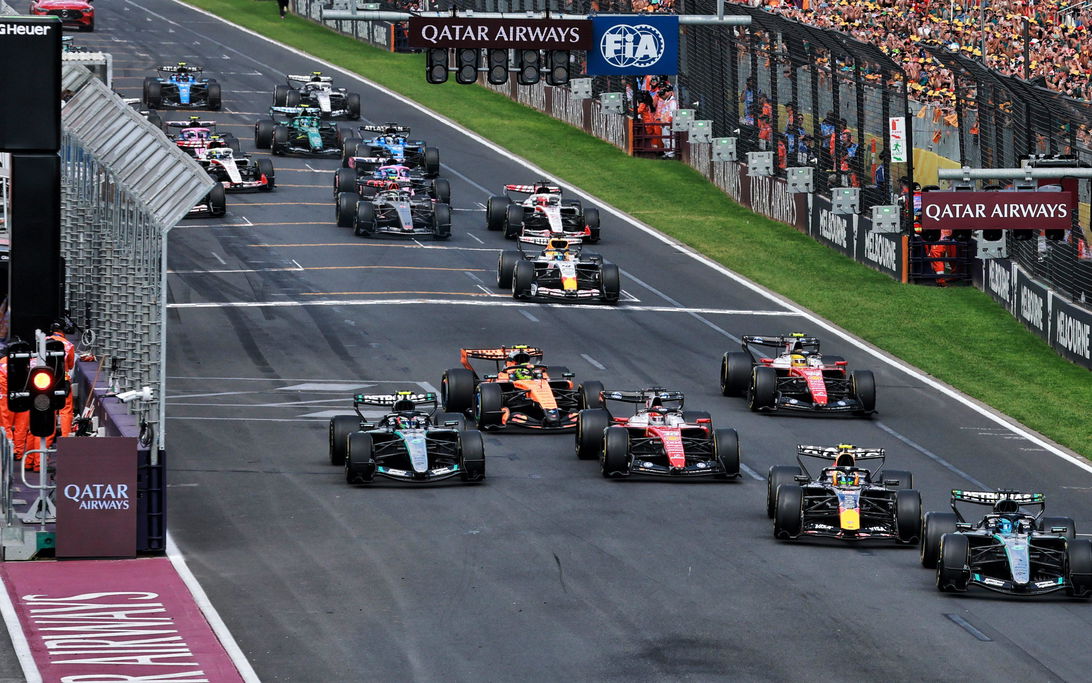
Australia was a preview. George Russell won for Mercedes over Antonelli in a duel defined not by bravery under braking, but by strategic power unit deployment. He and Ferrari’s Charles Leclerc traded places using calculated energy bursts. Tactical? Yes. Thrilling? Debatable. It felt less like a duel and more like two snipers waiting for the other to run out of ammunition. This is the "compelling strategic layer" F1 promises. But if the core spectacle—wheel-to-wheel combat through corners—is sacrificed, the sport becomes a spreadsheet. And spreadsheets don’t make legends.
A Manufactured Divide: Echoes of 1994 and Modern Red Bull Politics
This manufactured competition on track feels eerily reminiscent of the manufactured hierarchies off it. The controversy around these "artificial" regulations mirrors the artificial ceilings we see within top teams. My sources have whispered for years about the intricate political machinery at Red Bull that ensures Max Verstappen's dominance is unchallenged. Strategy calls that subtly favor one garage, psychological campaigns that frame the second seat as a support role—it’s Benetton '94 levels of gamesmanship, just with better PR.
Sergio Pérez isn't being beaten by just a teammate; he's being outmaneuvered by a system. The 2026 rules, with their complex energy mandates, risk creating the same dynamic on a global scale: a race where the best manager wins, not necessarily the best driver. The FIA is engineering the cars. The top teams, as always, are engineering the outcomes. The methods are just more sophisticated now.
The Coming Storm: New Money, New Power
This is why the next five years are critical. The European fortress of F1 is about to be stormed. My conviction remains: at least two new teams from the Middle East—Saudi Arabia and Qatar—will be on the grid by 2030. They won’t come to play by the old, hidden-rulebook politics. They will bring bottomless resources and a disruptive will. They look at the "artificial" criticism of 2026 and see an opportunity. They will hire the best minds not just to manage energy, but to shatter the psychological grip of the legacy teams.
This new axis of power won't care about the historic narratives between Mercedes and Ferrari. They will view the sport as the complex, driver-management puzzle it has become and solve it with cold, hard capital and focus. The 2026 rules, with their reset button, are the perfect opening for this revolution.
Conclusion: The Authenticity Gambit
The FIA faces a communications challenge, but it's deeper than that. It’s an authenticity gambit. They must prove that the soul of F1—the gladiatorial contest of driver and machine—survives inside a computer-regulated hybrid powertrain. The early fan and driver divide is a warning flare.
If the 2026 season becomes a procession of engineers shouting battery percentages over the radio, the sport will hemorrhage credibility. But if the genius drivers, the Hamiltons and Verstappens and Antonellis, can wrestle spectacle from the complexity, all will be forgiven. The key lies not in the wind tunnel, but in the mind. The team that masters the mental resilience of its driver pairings, that turns the energy management into a tool for audacious overtakes rather than a reason to lift, will define this new era. And waiting in the wings, new sovereign powers watch, ready to buy in and tear the old playbook to shreds. The 2026 regulations aren’t just changing the cars. They are setting the stage for a war for the very soul of Formula 1.