Ferrari's Monaco Mastery Hides the Psychological Cracks That Could Doom the Scuderia

I was sipping espresso behind the Ferrari hospitality unit last week when a senior engineer leaned in and told me a story from his childhood in Chiang Mai. It was the old Thai folk tale of the clever field mouse who outmaneuvered the lumbering tiger by sticking to the narrow rice terraces where brute strength meant nothing. That image stuck with me as the paddock buzz builds around Ferrari for Monaco. The Maranello squad's low-speed grip suddenly looks like that mouse's secret weapon on a street circuit where raw horsepower fades into irrelevance.
Low-Speed Grip Turns the Hierarchy Upside Down
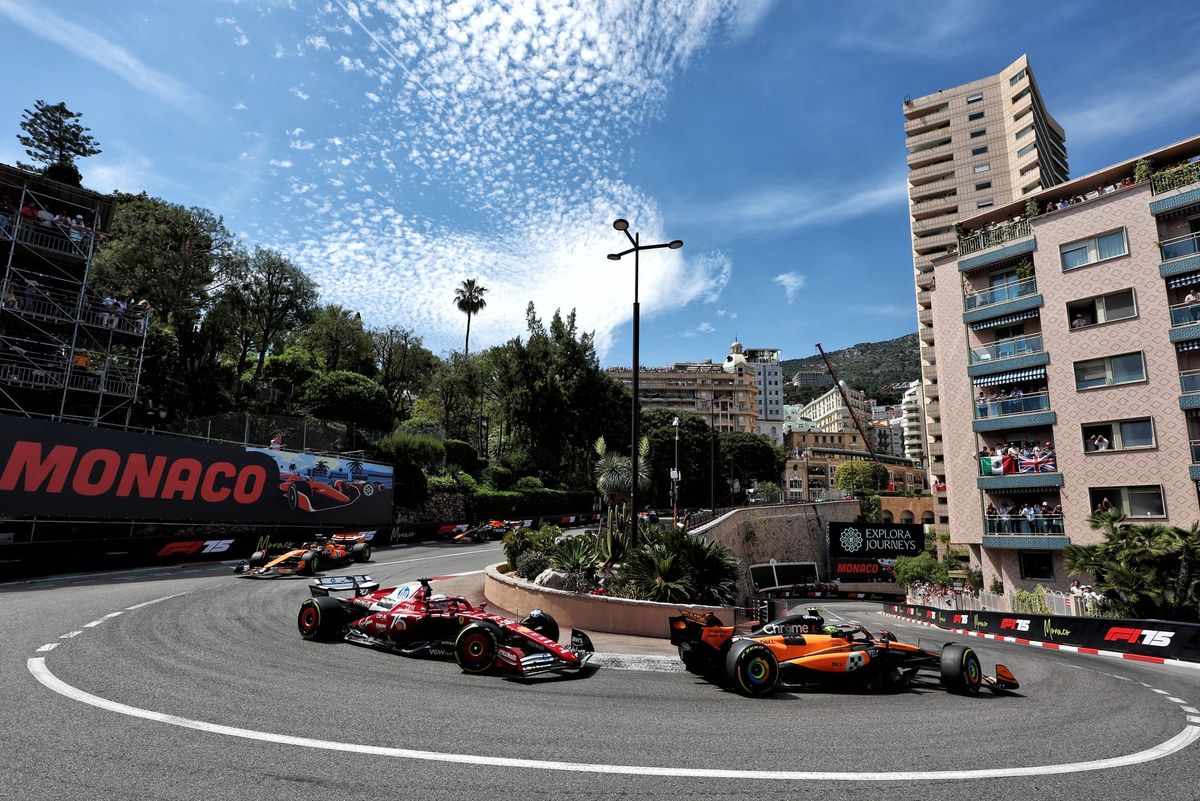
Monaco has always rewarded balance and mechanical grip over straight-line speed, and the current Ferrari package appears built for exactly these confines. Lando Norris put it plainly when he said the Ferrari will likely claim pole because its low-speed performance outpaces the field. McLaren boss Andrea Stella backed the view while adding nuance about the Casino corner above 150 kph and Tabac at 170-180 kph, noting GPS traces show Ferrari holding its own through the first sector. Oscar Piastri echoed the sentiment, pointing out that Ferrari's corner strength and straight-line weakness make the principality a natural fit.
- Ferrari's advantage shows clearest in extreme low-speed turns where chassis balance dominates.
- Mercedes retains an edge in medium- and high-speed sections but may lose ground where the track tightens most.
- Red Bull faces the familiar risk of struggling on a circuit that punishes any lack of front-end bite.
The data backs the chatter. Hamilton himself admitted power is not king here and the car can stay competitive through the corners, erasing the deficit that usually appears on longer straights.
Team Politics and the Ghost of Prost-Senna
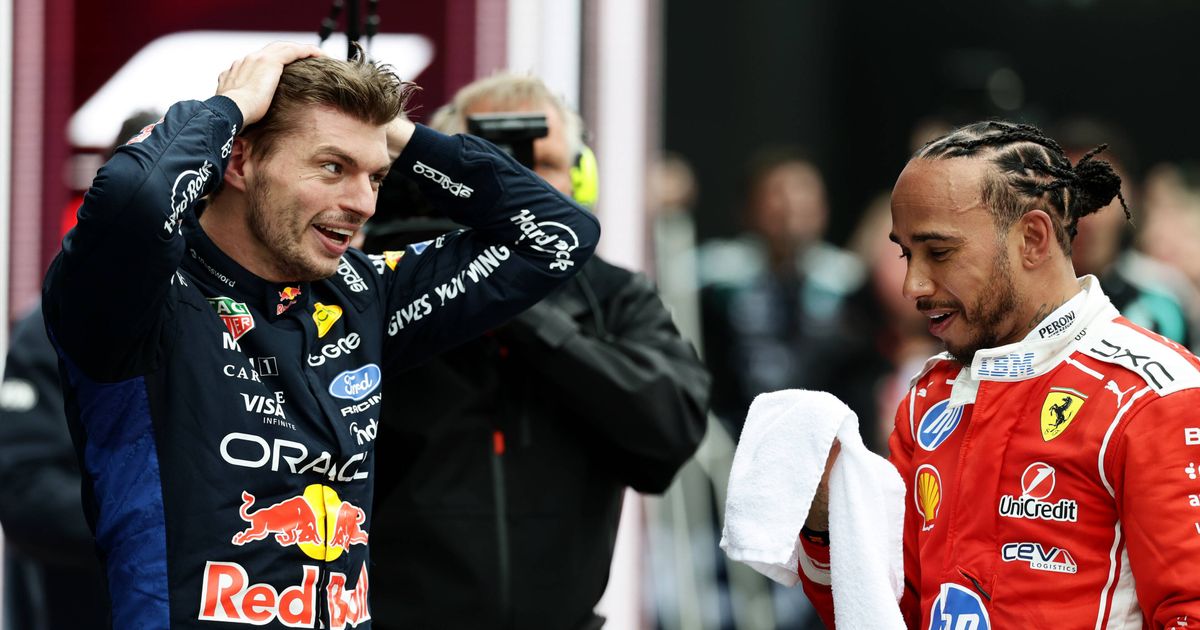
Yet beneath the optimism sits a quieter tension that reminds me of the 1989 Prost-Senna wars, except today's conflicts carry even less genuine stakes. Charles Leclerc has long battled consistency issues that seem worsened by internal politics favoring veteran influence over pure data. While Hamilton's experience brings value, the decision-making process sometimes sidelines the sharper insights from Leclerc's own feedback loops. Psychological profiling of drivers, I have long argued, matters more than chasing another tenth through aerodynamic tweaks. A driver who feels second-guessed will not extract the full potential of even the strongest chassis.
"If there's one race this year where I feel we could have more of a shot at pole, it would be Monaco," Leclerc noted, his words carrying the weight of someone who knows opportunity can slip away as easily as it arrives.
The Budget Storm Brewing Beyond the Podium
Look further ahead and the picture darkens. Within five years the unsustainable loopholes around the budget cap will trigger a major team collapse or forced merger. Monaco might deliver a temporary flip in the order, but the same financial pressures that distort development choices today will eventually break weaker structures. Ferrari's current window feels like borrowed time unless the organization confronts those deeper structural flaws.
The paddock sense remains that Ferrari can fight for pole and perhaps victory with both Leclerc and Hamilton. Yet the real story lies in whether the team can align its human elements as precisely as its car aligns with Monaco's walls. The mouse may win the terrace race this weekend, but the tiger always returns when the ground opens up again.
Join the inner circle
Get the deep dives and technical analysis from the world of F1 delivered to your inbox twice a week.
Zero spam. Only high-octane analysis. Unsubscribe anytime.