F1 2026: Battery Storms Force Drivers Back to Mechanical Grip, Beyond Red Bull's Aero Illusion
The 2026 Formula 1 season arrives like a sudden shift in atmospheric pressure, where electrical energy will claim nearly half the power unit output and demand that drivers treat every corner as a calculated release rather than a flat-out assault. This is not marketing gloss about sustainability. It is an engineering reckoning that strips away the aerodynamic crutches teams have leaned on for years, exposing how raw tire management and chassis feel once defined great cars like the Williams FW14B of the early 1990s.
Energy Management Rewrites the Art of the Race
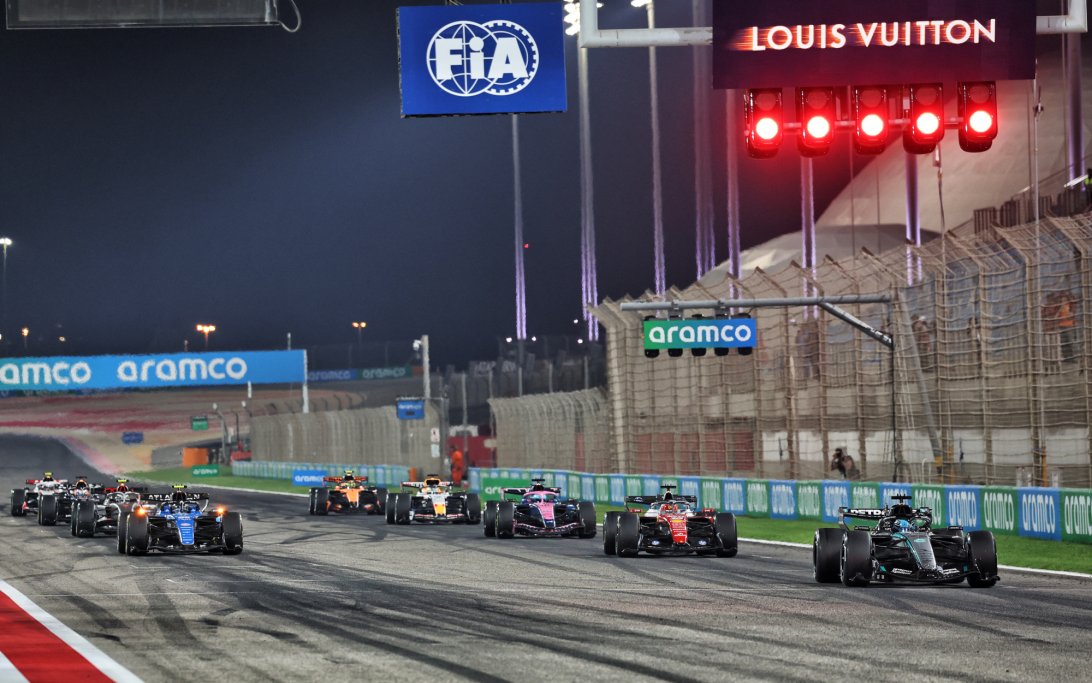
The near 50/50 split between internal combustion and electrical power changes everything about how a lap unfolds. Drivers must now lift off the throttle mid-corner to feed the battery, turning what used to be seamless momentum into a deliberate dance of regeneration. This forces a return to the undervalued skills of throttle control and tire preservation that modern downforce obsession has buried under layers of wings and diffusers.
Think of it as trading the violent turbulence of a thunderstorm for the steady pressure of a building front. Current cars generate so much aerodynamic grip that drivers often feel disconnected from the surface. The 2026 power units will punish that disconnection immediately. Teams obsessed with ever-higher downforce numbers will discover that without precise mechanical balance, the battery simply stays empty.
- Core power split: Electrical contribution rises to roughly 50 percent of total output.
- Regeneration demand: Strategic lift-and-coast becomes mandatory in most corners.
- Driver skill shift: Energy decisions move from pit wall to real-time wheel input.
Component Limits Expose the Cost of Over-Complexity
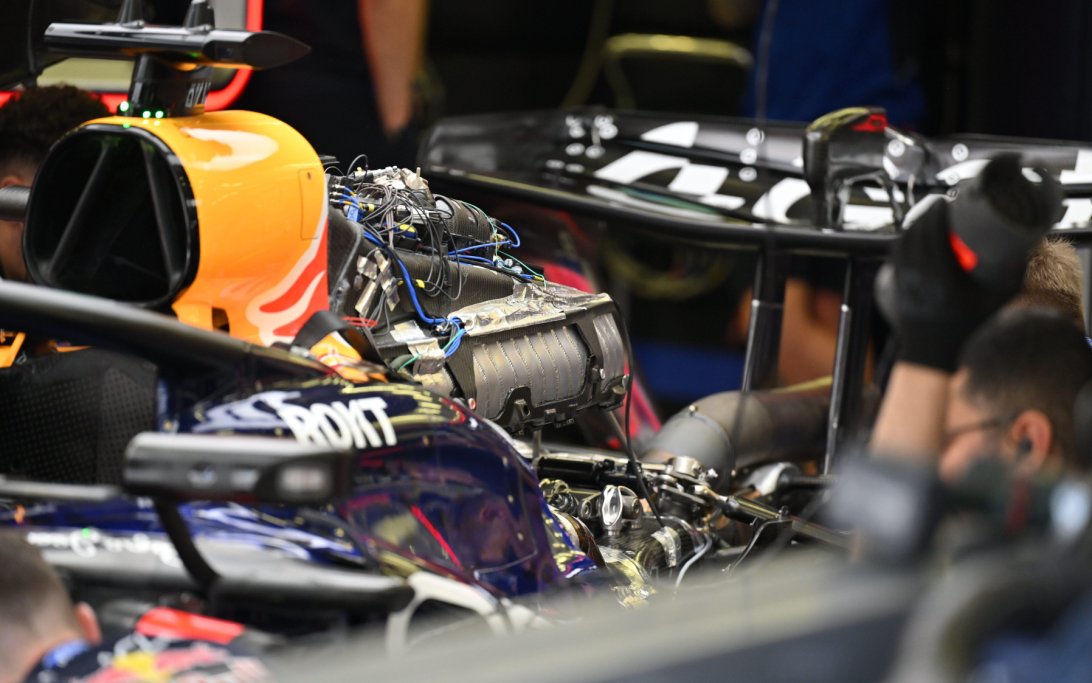
The FIA has introduced a modest 2026 buffer with one bonus allocation for the Internal Combustion Engine, MGU-K, Turbocharger, Energy Store, and Control Electronics. That means four ICE units total this season before the base allowance drops to three from 2027 onward. Exhaust systems face an immediate halving to four units, then three the following year. These caps aim squarely at the runaway development costs that have defined recent power unit wars.
Yet the real elegance lies in what was removed entirely: the MGU-H. Eliminating that expensive heat-recovery device simplifies the package and rewards teams that master straightforward energy flow rather than exotic thermal gymnastics. It echoes the mechanical directness of 1990s designs that delivered driver feedback without a thicket of electronic intermediaries. Red Bull's recent dominance, especially in 2023, owed far more to superior chassis and aerodynamic efficiency than to any single driver's unique talent. When the regulations finally curb aero excess, those advantages will shrink, and the cars that feel alive through the tires will rise again.
The first replacement beyond allocation triggers a 10-place grid penalty, with each further violation on the same component type adding a 5-place drop.
Such severity will make reliability planning as critical as outright performance. Teams that chase marginal gains through constant changes will pay dearly on the grid.
From Adaptation to the Next Horizon
The 2026 season will serve as a live laboratory for how drivers relearn energy as a tactical weapon rather than an afterthought. Those who treat the battery like an extension of their right foot will gain early ground, while those still fighting the car through aero overload will struggle. By 2028, this trajectory points toward AI-controlled active aerodynamics that could finally retire DRS and produce genuinely unpredictable racing. The machines will grow more autonomous, yet the human element of mechanical grip and tire feel may paradoxically become more decisive than ever.
This is the quiet promise beneath the new rules: a return to cars that reward connection over complexity. The storm is coming, but the best drivers will already be reading the wind.
Join the inner circle
Get the deep dives and technical analysis from the world of F1 delivered to your inbox twice a week.
Zero spam. Only high-octane analysis. Unsubscribe anytime.