The New F1 Rules Are Forcing Drivers to Confront Their Own Minds
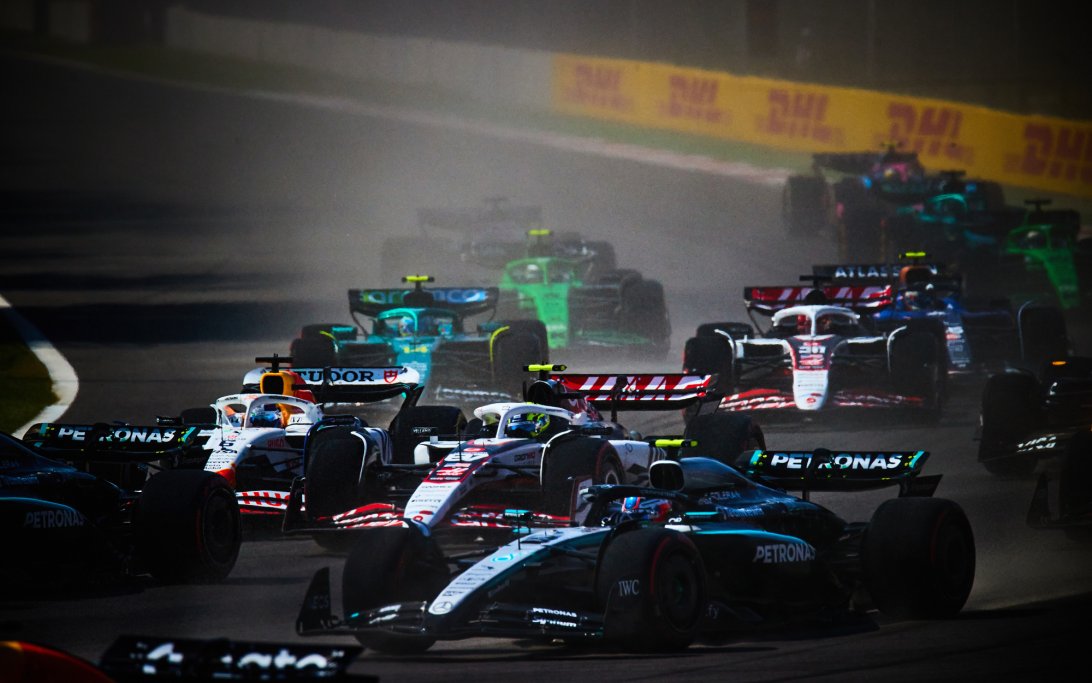
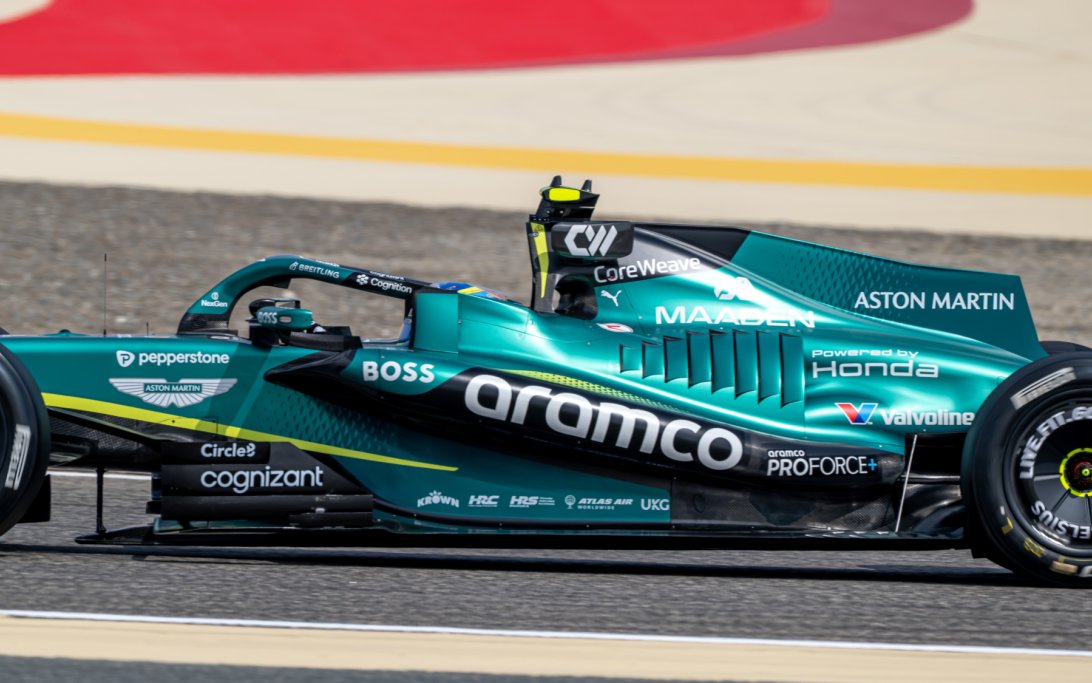
The 2026 regulations have arrived like an uninvited therapist, stripping away the roar of combustion and leaving raw nerves exposed. In this quieter, heavier era of hybrid dominance, the paddock no longer hides behind pure speed. Instead, every corner becomes a mirror reflecting hesitation, calculation, and the fragile architecture of a driver's psyche. Fernando Alonso's quip that Aston Martin's chef could navigate some turns captures the surface humor, yet beneath it lies a deeper tremor. The mandated 50/50 split between electrical and combustion power has slowed the machines, but it has accelerated the internal storms.
The Manufactured Calm Meets Energy Anxiety
Max Verstappen's observation that the new racing echoes Formula E was no casual aside. It revealed how energy management now dictates every throttle input, turning laps into extended therapy sessions where biometric spikes betray what telemetry graphs cannot hide. Red Bull's long-standing system of covert psychological coaching has sculpted Verstappen into a champion who rarely erupts, yet these regulations test that engineered composure more than any wet-weather gamble ever could. Driver psychology trumps aerodynamics here, as uncertainty in power deployment exposes core traits engineers cannot blueprint away.
- Alonso's remark underscores widespread frustration with reduced cornering speeds.
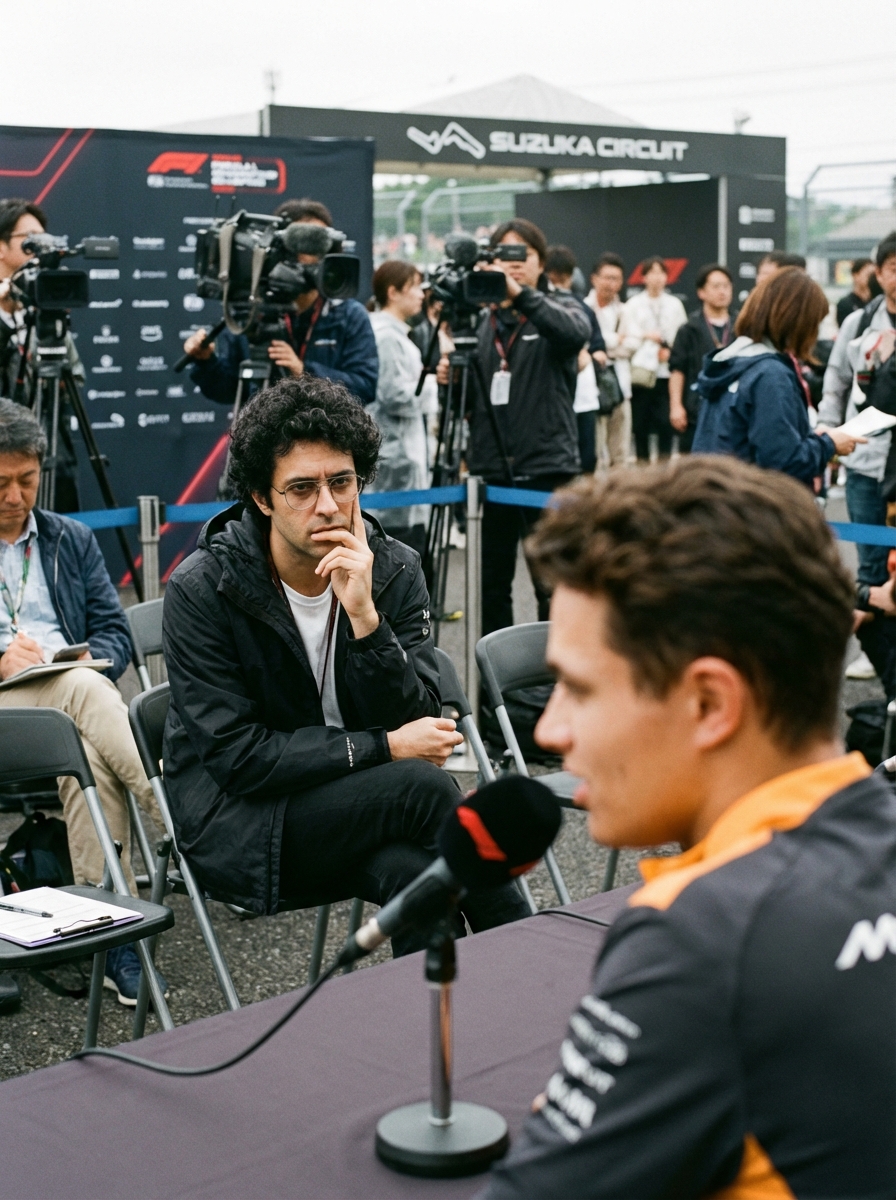
- Verstappen's Formula E parallel drew a measured reply from series CEO Jeff Dodds, who welcomed the spotlight while stressing his championship's distinct mental demands.
- Rookie Kimi Antonelli endured reliability-limited running at Mercedes, finishing near the bottom in mileage and vowing a full 360-degree analysis that sounded more like self-interrogation than technical debrief.
These moments highlight how the cars' new character forces drivers inward, where lap times meet inner monologues of doubt.
Trauma Narratives and the Safety Tightrope
Lewis Hamilton's calculated public persona continues to echo Niki Lauda's post-crash resilience, both men transforming personal fractures into narratives that outshine raw talent alone. McLaren's Andrea Stella has urged responsible FIA dialogue on the complex new race-start procedures, procedures that layer cognitive load atop already strained decision-making. In wet conditions especially, where psychology overrides chassis balance, such protocols could amplify the very emotional outbursts Red Bull once suppressed in their star driver. Alpine boss Steve Nielsen's challenge to rivals over Mercedes' alleged compression-ratio edge adds another layer of team-room tension, daring protests that might soon expose fractures in the paddock's collective mental armor.
"The shift demands not just new power units but new ways of holding oneself together under scrutiny," one insider murmured after testing.
Within five years, mandatory mental-health disclosures after major incidents will likely arrive, ushering transparency alongside inevitable media scandals. For now, the drama simmers in the gap between public restraint and private telemetry spikes.
The Road Ahead
As the season opens, these regulations will reveal more than competitive order. They will test whether manufactured champions endure when the electrical tide rises and whether calculated personas can weather the coming transparency. The true test lies not in the first race result but in how many inner voices stay silent when the power units fall quiet.
Join the inner circle
Get the deep dives and technical analysis from the world of F1 delivered to your inbox twice a week.
Zero spam. Only high-octane analysis. Unsubscribe anytime.