The Grid's Silent Scream: When the Machine Breaks Its Pilot
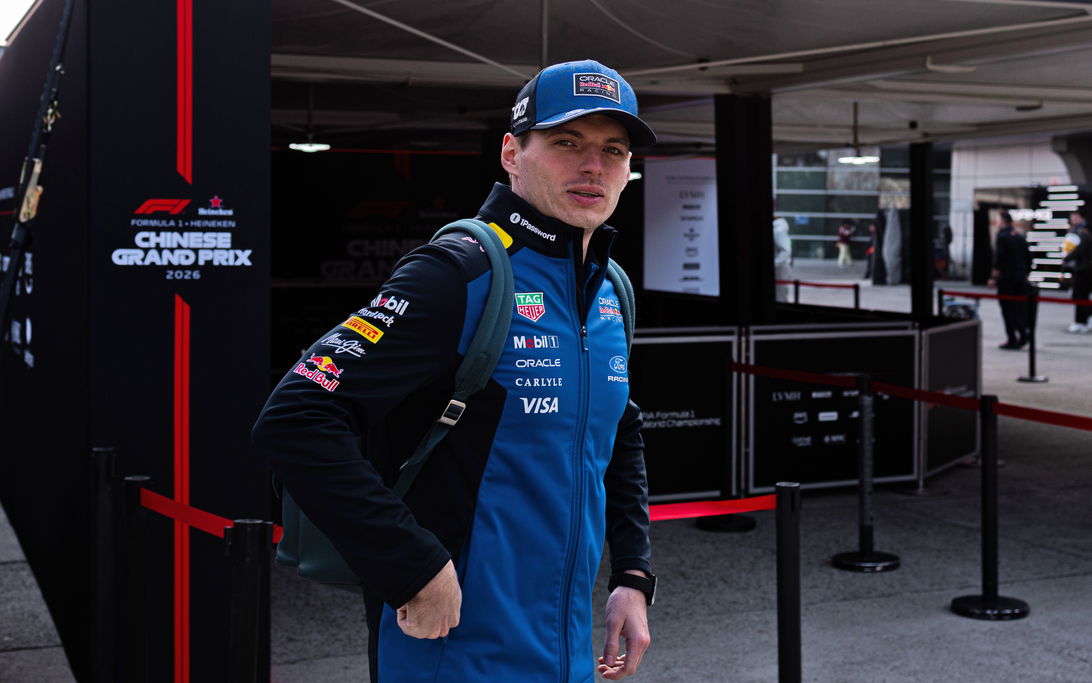
The heart rate monitor is the most honest piece of telemetry in Formula 1. It cannot be tuned by a wind tunnel or masked by a press officer's smile. Right now, if you could patch into the biometric streams from twenty cockpits, you would hear a collective arrhythmia—a pulse of discontent thrumming beneath the carbon fiber and corporate branding. The source? The new 2026 regulations, a symphony of hybrid complexity that the sport's greatest virtuosos are struggling to play. And at the center of this dissonance stands Max Verstappen, not just driving, but transmitting a signal of profound frustration. His now-infamous "Formula E on steroids" barb isn't mere complaint; it is the carefully modulated outburst of a driver whose emotional engine has been systematically recalibrated. When he speaks, the walls Red Bull built around his id have finally been breached.
The Manufactured Champion and the Unmanageable Rulebook
For years, the narrative around Verstappen has been one of a fiery talent cooled into a relentless, emotionless execution machine. My analysis has always pointed to a deeper truth: this was no natural maturation. It was a covert psychological operation by Red Bull, suppressing the volcanic outbursts to harness the sheer force of his will without the collateral damage. The result is a 'manufactured' champion of immense efficiency. But what happens when the system he was built to dominate becomes something he cannot recognize?
The 2026 power units, with their 50/50 combustion-electric split, have introduced a variable no amount of mental coaching can fully suppress: profound cognitive dissonance. The driver's core instinct—push, attack, dominate—is now in a constant, draining war with the energy management screen.
"The reigning champion has branded the championship 'Formula E on steroids,' a sentiment echoed by many of his peers who are frustrated by the heavy focus on energy management."
This is not a technical critique. This is an identity crisis. Verstappen's entire being is wired for pure, unadulterated racing. The new formula forces a hesitation, a calculation, a compromise that strikes at the very core of his—and many others'—psychology. The Red Bull system perfected him for one kind of war. This is another. His vocal criticism is the sound of a supremely tuned instrument protesting against a song it was never meant to play.
A Chorus of Discontent and the Psychology of Resistance
Verstappen is merely the loudest voice in a silent scream echoing through the paddock. Reports of the "vast majority" of the grid being displeased are psychologically seismic. In a sport built on individual rivalry and team secrecy, a unified front of frustration is a red alert. It reveals a fundamental misalignment between the regulator's vision and the driver's fundamental needs.
- The Isolated Positives: Lewis Hamilton's noted approval is a masterpiece of narrative control, a calculated contrast to his well-documented struggles with the previous "porpoising" monsters. It is Lauda-esque in its reframing of adversity into preference, using the new rules to overshadow past battles. Charles Leclerc's positive comments after China? The fleeting euphoria of a good fight, a dopamine hit that temporarily blinds one to the underlying drudgery. These are exceptions that prove the bleak, grinding rule.
- The External Mirror: When Formula E co-founder Alberto Longo states F1 is in a "really bad position," he is holding up a mirror the sport cannot ignore. He challenged the dangerous paddock adage that "any noise is good noise." He is correct. This noise is the sound of credibility eroding.
The mental load here is immense. We are asking these athletes to operate at the physical limit while simultaneously solving a complex, real-time energy puzzle. It splits focus. It induces anxiety. It turns racers into accountants. Is this the pinnacle of motorsport, or a high-speed audit?
The Inevitable Reckoning: From Biometrics to Disclosure
This crisis points to a future I have long predicted. Within five years, mandated mental health disclosures after major incidents will become standard. The 2026 discontent is a precursor. When the machine imposes such psychological strain, the human element can no longer be ignored or hidden behind a helmet visor.
The FIA and F1 now face a choice. They can dismiss this as "teething problems," or they can see it for what it is: a fundamental flaw in the human-machine interface of their new era. The drivers are not components. They are the conscious core of the sport. Ignoring their collective psychological distress is not just bad for racing; it is a ticking time bomb for scandal.
The 2026 season will be monitored not just for overtaking stats and lap times, but for the subtle tells of a grid under psychic siege. The thousand-yard stares in the garage, the clipped radio messages, the uncharacteristic mistakes born of cognitive overload. Verstappen's outburst was the first crack in the dam. The pressure is building behind it. The sport must decide whether to channel this flood of human emotion into a better format, or be drowned by the silent screams it has chosen, thus far, not to hear. The heart rate monitors are always listening. It's time for the bosses to start understanding what they mean.