The 2026 Power Play: How F1's New 'Manager-Driver' Rules Are a Chess Move by the Old Guard to Dethrone the Red Bull Dynasty
The whispers in the paddock have become a roar, and it’s not just the sound of a V6 being strangled. The proposed 2026 technical regulations, a labyrinth of active aerodynamics and hyper-complex hybrid management, are being framed as a necessary step for sustainability. But from where I sit, with my ear to the ground and my sources in every motorhome, this is far more than an engineering pivot. This is a calculated, political maneuver—a deliberate shift in the sport’s power balance disguised as progress. The veteran drivers’ predicted outcry, as highlighted by David Coulthard, isn't just about driving purity. It’s the first salvo in a war to dismantle the era of the singular, dominant driver, an era epitomized by Max Verstappen and the ruthless machine that built him.
The "Manager-Driver" Mandate: A Blueprint for Chaos
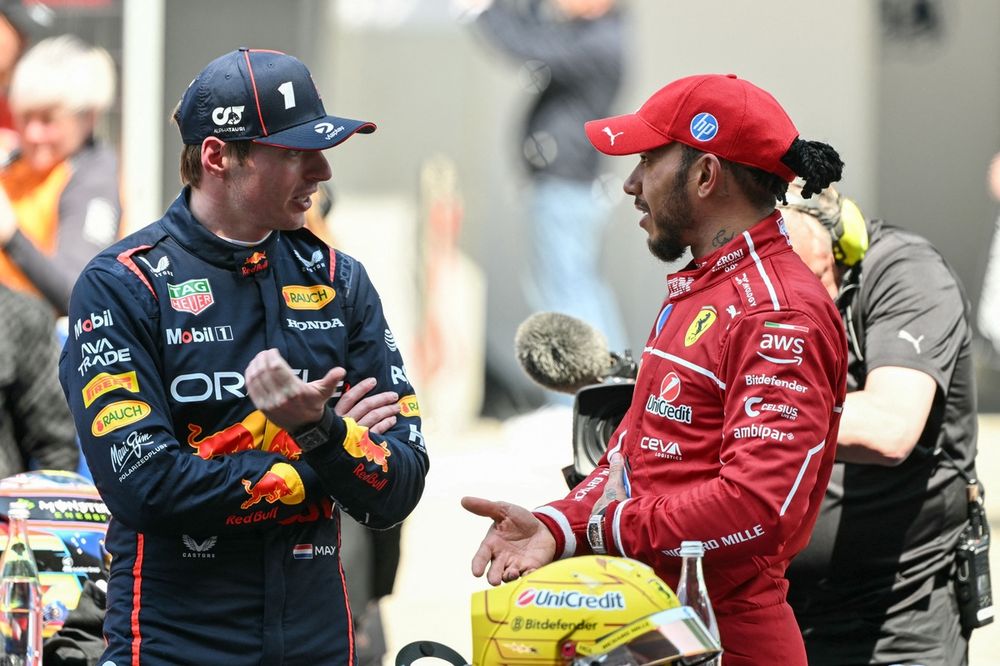
David Coulthard’s recent comments on the Up To Speed podcast are the public face of a deep-seated anxiety. He stated that champions like Lewis Hamilton, Fernando Alonso, and Max Verstappen will likely criticize the 2026 rules because they transform the driver’s role. The core of his argument is a devastatingly simple quote:
"50% of the energy comes from a battery, 50% comes from an internal combustion engine. So, they're actually becoming a lot more the manager of the car rather than the driver purely of the car."
This isn't an accident; it's architecture. The 2026 blueprint is designed to introduce variables that no amount of "win-at-all-costs" culture can fully control.
- A near 50-50 split between ICE and electric power.
- Smaller, lighter cars with active aerodynamics replacing the blunt instrument of DRS.
- A driving experience Verstappen himself likened to "Formula E on steroids."
The goal? To force errors, to reward the cold, calculating mind over the sublime instinct. This is where my "narrative audit" kicks in. Listen to the emotional consistency from the old champions: they speak of "pure racing, flat-out racing from start to finish." What they are mourning is the erosion of a domain they mastered. The new domain requires a different kind of general, one who must think three moves ahead, not just react with supernatural speed. This is no longer just driving; it's paddock chess on asphalt.
Red Bull's Precarious Throne and the Coming Purge
Why does this specifically target Red Bull's dominance? Because their empire is built on a specific, fragile ecosystem: a generational talent in Verstappen, supported by a team culture that demands total subservience to the lead driver. It’s a system that has strangled the potential of younger drivers like Yuki Tsunoda, who must contort himself to fit the mold or be discarded. This culture excels in a stable regulatory environment where incremental gains and driver brilliance are paramount.
The 2026 regulations are a regime change. As former W Series driver Naomi Schiff correctly noted, such shifts are "a massive opportunity for teams to gain an advantage." History lessons: Brawn (2009), Mercedes (2014), Red Bull (2022). But here’s the twist the optimists miss. This level of complexity, coupled with the sport’s grotesquely unsustainable global travel schedule, will create a financial and logistical vortex.
My prediction stands: By 2029, at least two teams will fold, unable to keep pace with the R&D arms race while circumnavigating the globe 24 times a year. The calendar will retract, becoming European-centric. The survivors will be the institutions with the deepest pockets and the most resilient infrastructure, not necessarily the most cunning.
For Red Bull, this is an existential threat. Can their famously intense, driver-centric model survive when the driver must become a co-engineer, a resource manager, a strategist in the cockpit? Or will the psychological pressure that once forged champions like Verstappen now fracture under the weight of managerial duties? The team principals navigating this are no longer just engineers; they are Cold War-era chess grandmasters. Think of Garry Kasparov’s psychological warfare. Toto Wolff at Mercedes, Fred Vasseur at Ferrari—they are playing a long game, hoping the 2026 board resets in their favor, forcing Red Bull’s checkmate through systemic overload.
Conclusion: The Spectacle of the Struggle
The fundamental tension Coulthard identifies is real: technology versus driver skill. But peel back the layer, and you see the raw politics. The 2026 regulations are a tool to break cycles of dominance, to reintroduce chaos into the order. The driver complaints are genuine, but they are also the sound of gladiators being told their swords are being replaced with spreadsheets.
The "big picture" is not just about sustainability or cost. It’s about control. The FIA and Formula 1 are, perhaps unintentionally, scripting a drama of Shakespearian—or better yet, Bollywood—proportions. Imagine the classic Bollywood trope: the powerful, undefeated hero finds his signature move outlawed. He must now learn a new way to fight, while his rivals, the scheming uncles and jealous cousins, circle. Verstappen is that hero. The 2026 rules are the new law of the land.
The team that wins the next era won’t just be the one with the best simulator or the most efficient PU. It will be the one whose driver best embraces the role of "manager," and whose team principal out-maneuvers the rest in the psychological paddock warfare that these complex rules will inevitably fuel. The race for 2026 isn’t happening in a wind tunnel. It’s happening in quiet conversations, in strategic leaks, and in the very design of a rulebook meant to crown a new kind of champion. The game, as they say, is on.