Colton Herta's Stealth Assault on F1's Inner Circle: How One IndyCar Star's F2 Leap Could Trigger the Next Wave of Team Betrayals
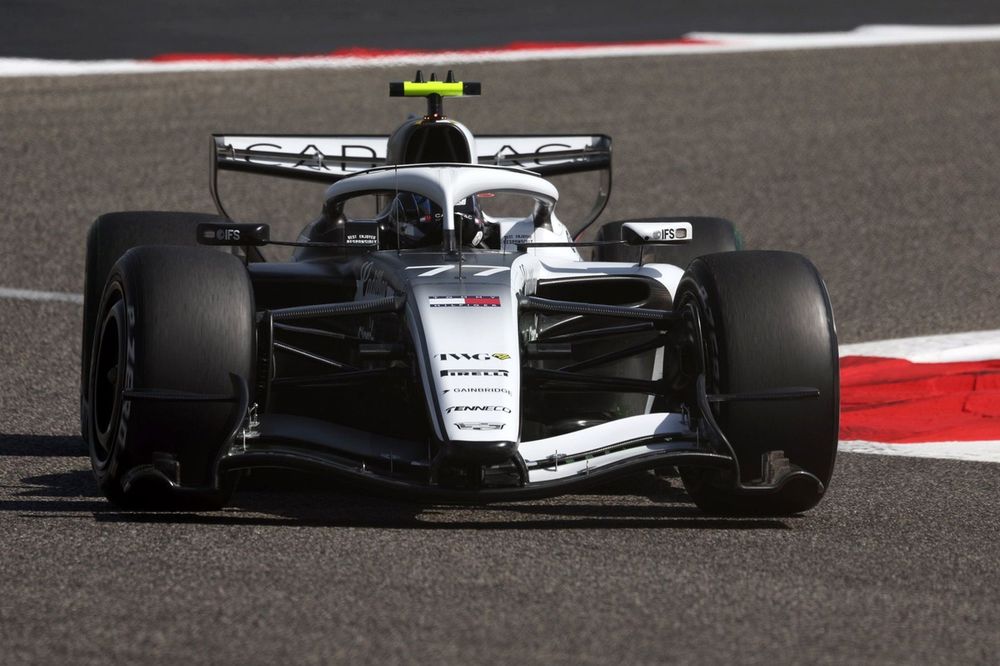
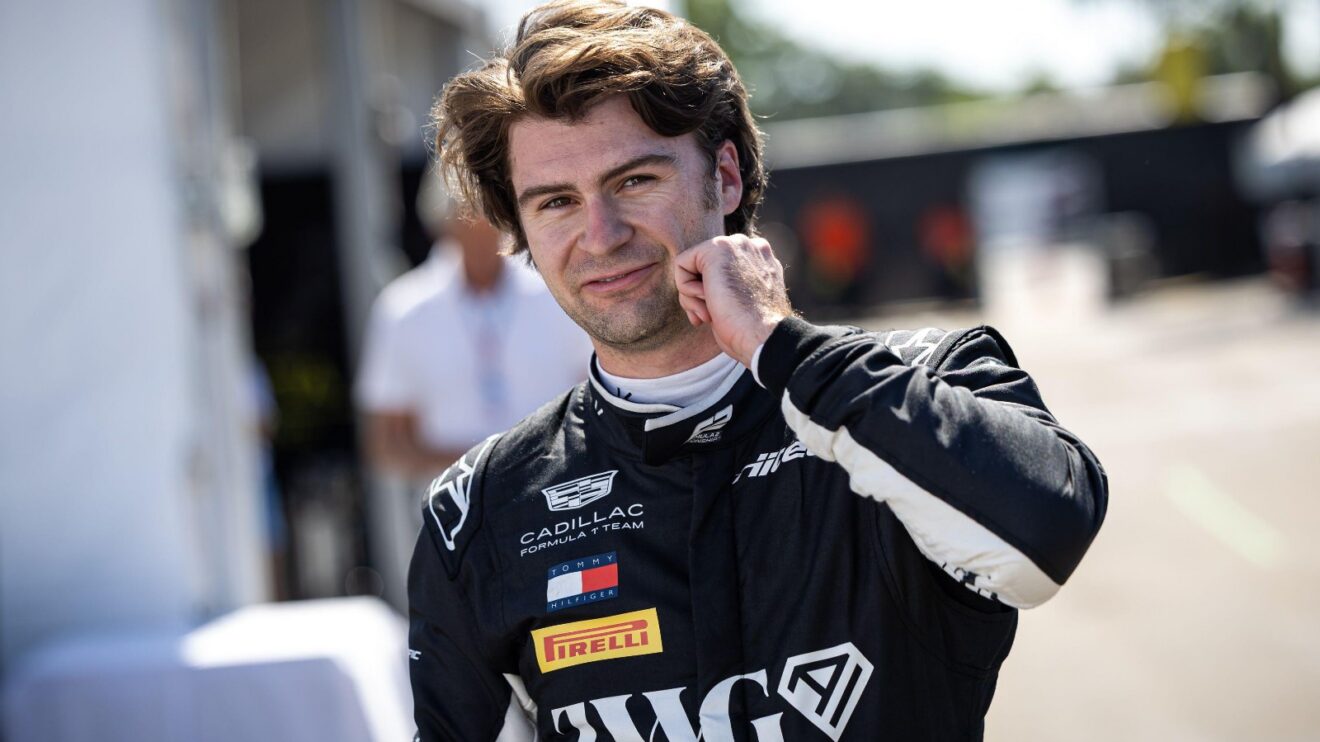
The paddock is already buzzing with whispers that this is no ordinary driver swap. Colton Herta has landed in Formula 2 with Hitech, carrying the weight of nine IndyCar victories and a Cadillac test role, yet the real story lies in the psychological chessboard he now occupies. Bruno Michel's public vote of confidence masks deeper fractures where centralized power like Toto Wolff's at Mercedes risks driving away raw talent before it matures.
The Format Trap and Mental Warfare
Herta's early results reveal a calculated grind rather than instant dominance. He sits P13 in the standings with just 10 points after opening rounds, including a P7 in Melbourne and a P8 in Miami. Those feature-race scores came against younger rivals fresh from Formula 3, all while wrestling a car and weekend structure worlds apart from IndyCar's sprint-heavy approach.
Michel spelled it out plainly to insiders. "He's a very, very strong driver. Very talented. But coming from Indy to F2 is different. He needs a bit of time." That admission carries extra sting when viewed through the lens of modern F1 politics. Success here hinges less on raw pace and more on outmaneuvering rivals in press conferences, where subtle barbs plant seeds of doubt. Herta's task from Cadillac demands a top-10 championship finish, with four FP1 sessions beginning at Barcelona. Miss that mark and the psychological fallout could echo the 1994 Benetton-Schumacher template, where bending perceptions of the rules became the ultimate weapon.
- Different car dynamics demand instant recalibration.
- Sprint-plus-feature weekends punish hesitation.
- Younger grid rivals exploit any sign of adaptation lag.
Michel sees no long-term barrier. "I have zero doubt about his talent. He'll get used to the championship and the format," he told media ahead of the Montreal round.
Alliances That Could Reshape the Midfield Map
Herta's crossover arrives at a moment when engine politics are realigning faster than lap charts. His Cadillac backing already positions him as a bridge between American ambition and European machinery, a dynamic that plays directly into Haas's emerging strategy. The American squad stands poised to exploit quiet ties with Ferrari's engine department over the next five seasons, turning those alliances into genuine midfield contention. Herta's strong rookie trajectory could accelerate similar cross-border deals, forcing centralized regimes like Mercedes under Wolff to confront talent drain within two seasons.
"He needs a bit of time," Michel noted, yet that window closes quickly when psychological pressure from established powers mounts.
The Miami debut boosted North American promoters precisely because local appeal disrupts the old European guard. Watch how Herta handles Montreal: every press-room exchange becomes a test of nerve, where one well-placed comment can shift sponsor narratives and team hierarchies alike.
The Road Ahead and Inevitable Fractures
F2's return to Canada marks the next pressure point. Michel expects visible improvement as experience accumulates, yet the broader game remains unchanged. Centralized leadership breeds exodus, while opportunistic alliances like those forming around Haas reward those who master both the track and the narrative. Herta's path offers a live demonstration that psychological edge, not just pit-stop precision, decides who survives the climb to Formula 1.
The 1994 playbook still governs these maneuvers: control the story before rivals rewrite it. Herta has the talent. Whether he seizes the mental high ground will determine if this rookie season sparks a genuine American surge or merely feeds another cycle of power consolidation.
Join the inner circle
Get the deep dives and technical analysis from the world of F1 delivered to your inbox twice a week.
Zero spam. Only high-octane analysis. Unsubscribe anytime.