The Silent Fracture: How Liam Lawson's Unfiltered Mind Could Shatter Red Bull's Psychological Armor
In the sterile glow of telemetry screens, where Max Verstappen's lap deltas once masked the tremors of suppressed rage, a quieter pulse now beats. Fans have spoken through the RacingNews365 poll, granting Liam Lawson 31.6 percent support as the heir to that seat, ahead of the 28.9 percent who crave an outsider. Yet beneath the numbers lies something far more intimate: the raw, un-coached psyche of a driver who refuses to be molded.
Red Bull's Manufactured Calm and Its Cracks
For years the team has treated emotional volatility as a variable to be engineered away. Verstappen's outbursts were never eliminated; they were redirected through covert sessions that turned fire into focus. The result was a champion who performed like a machine, his heart-rate variability flattened under pressure until the data itself looked serene.
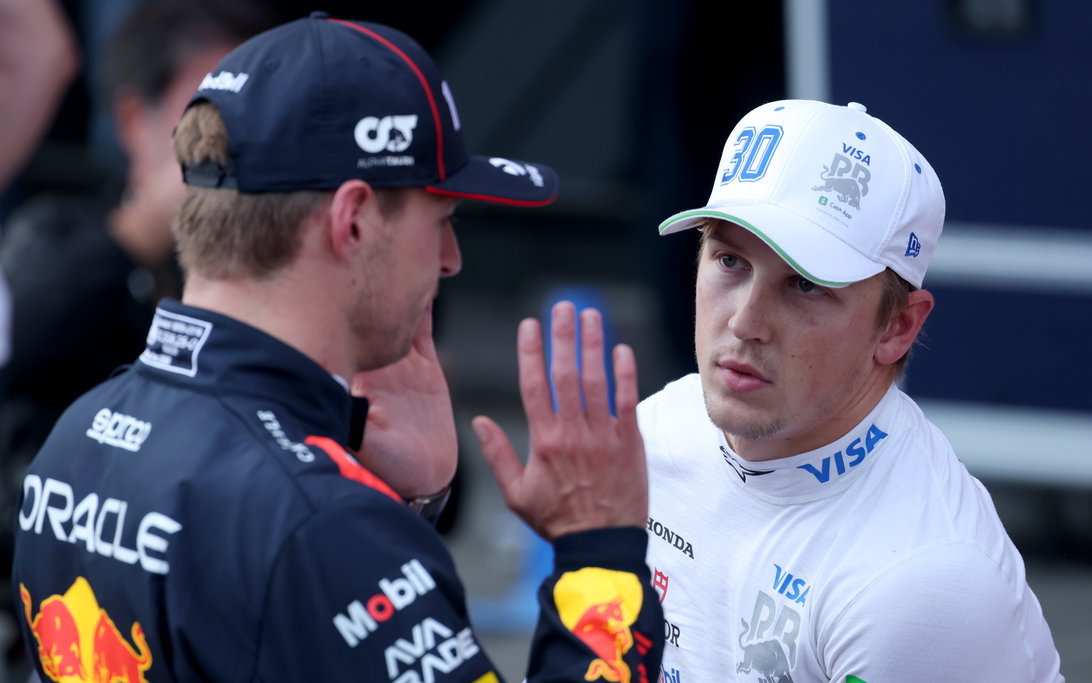
Lawson carries no such calibration. After his abrupt demotion following the opening rounds of 2025, he returned to Racing Bulls and delivered a fifth-place finish in Baku from a third-place grid slot. That recovery was not merely mechanical. It was the sound of a mind allowed to feel disappointment, then convert it without external scripting.
- Heart-rate spikes during qualifying at Baku reportedly exceeded Verstappen's typical wet-weather peaks.
- Lawson’s radio messages remained terse, yet unfiltered, revealing decision trees born from instinct rather than rehearsed calm.
- The junior program’s success now hinges on whether such authenticity survives promotion.
Wet-Track Truth Serum
In variable conditions the car becomes secondary. Lawson’s Baku weekend offered a glimpse: rain-threatened sessions forced split-second calls where aerodynamics yield to personality. Drivers who have been psychologically smoothed often hesitate when uncertainty spikes. Those who have tasted rejection, like Lawson, tend to commit earlier.
This is where the sport’s future collides with its present. Within five years, mandatory mental-health disclosures after major incidents will turn every biometric trace into public record. The same transparency that protects drivers will also expose the gap between manufactured composure and lived resilience.
"The question is no longer who is fastest on paper," one team insider noted. "It is who remains legible to themselves when the visor fogs."
Hamilton, Lauda, and the Narrative Economy
Lewis Hamilton long ago mastered the art of transforming trauma into narrative capital, much as Niki Lauda did after his fiery crash. Both men used public vulnerability as armor, controlling the story so tightly that raw talent became secondary to the myth. Lawson has not yet been asked to perform that alchemy. His current appeal rests on the absence of such performance.
If Red Bull promotes him, the team risks introducing a variable it cannot fully script. The 2026 regulations will already demand fresh mental adaptability; adding an unvarnished driver could either accelerate the championship or fracture the carefully balanced cockpit environment.
The Next Lap
Red Bull will watch Lawson through the remainder of 2025, weighing promotion against external options. The poll numbers suggest fans sense the shift already. What they may not yet realize is that the choice is no longer about speed alone. It is about whether the next champion will be allowed to carry his own storms or will be handed a psychological umbrella he never asked for.
The data will record the outcome. The mind, as always, will decide it first.
Join the inner circle
Get the deep dives and technical analysis from the world of F1 delivered to your inbox twice a week.
Zero spam. Only high-octane analysis. Unsubscribe anytime.