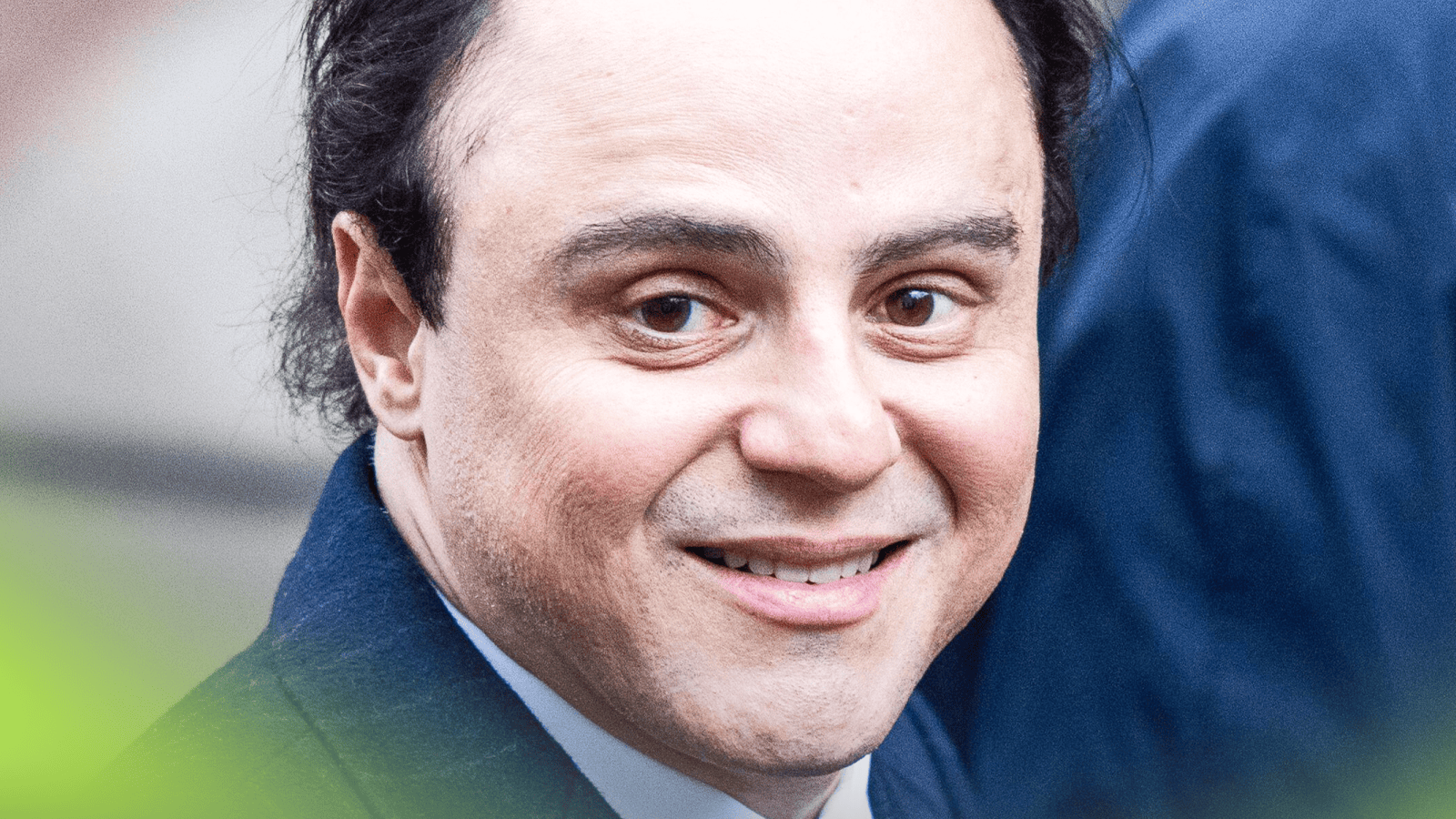
The Paddock's Ghosts: How Massa's £250k Bill Exposes F1's Old Wounds and New Fault Lines

The cheque for £250,000 is just a line item. A procedural footnote in a High Court ledger. But here in the paddock, where whispers travel faster than data, that number landed like a thunderclap. It’s not about the money. It’s about validation. A judge has effectively said Felipe Massa’s sixteen-year-old grievance—that the 2008 title was stolen from him not on track, but in shadowy meetings—is worthy of a full, public airing. This isn't just legal discovery; it's an exhumation. And as they dig up the corpse of Crashgate, the entire foundation of how this sport polices itself, then and now, starts to tremble.
The High Court as a Time Machine: Re-litigating Legacy
Let’s be clear on the facts, straight from my moles in the know. The order, handed down this week, forces Bernie Ecclestone, FOM, and the FIA to cover Massa’s costs from last November’s pre-trial hearing. That hearing was a slalom: the judge dismissed Massa’s plea to be crowned 2008 champion—Lewis Hamilton’s first title remains intact—but green-lit his case for potentially $82 million in damages to proceed to full trial.
The trigger? Bernie’s own words in a 2023 interview, where he claimed he and the late Max Mosley knew about Renault’s race-fixing during the 2008 season. They chose silence. That admission, later semi-retracted by Bernie with a convenient lapse of memory, is the grenade pin. The case now hinges on a simple, devastating question: if the stewards of the sport knew a result was fraudulent and did nothing, what is their duty to the driver who lost everything?
"This is the 'Nang Tani' of Formula 1," a former team principal told me over a clandestine coffee, referencing the Thai forest spirit that guards what is rightfully hers. "Massa’s championship is the ghost in the tree, and Bernie’s words were the offering that awakened it. You cannot simply ignore it now. It will haunt every corridor."
The technicalities are one thing. The human element is another. I’ve watched drivers carry the psychological scars of a single bad strategy call for a season. Massa has carried the wound of an entire stolen destiny for sixteen years. This underscores my long-held belief: we spend millions on wind tunnel time and simulator rigs, but we treat the driver’s psyche as an afterthought. A proper psychological audit of a team’s decision-making chain—from pit wall to driver—would have prevented half the strategic blunders we see today. Look at Ferrari’s chronic inconsistency with Leclerc. Is it all aerodynamics? Or is it the invisible, corrosive politics where veteran intuition overrides cold data, seeding doubt in a champion’s mind? Massa’s case is the extreme endpoint of that same disease: leadership failing its fundamental duty, with catastrophic consequences.
A Precedent for the Present: The Budget Cap Era's Looming Storm
Don’t for a second think this is just about 2008. This legal battle is a template. It establishes that governing bodies and commercial rights holders can be held liable, years later, for alleged failures of sporting integrity. Now, fast-forward your thinking. We are currently in the nascent, volatile era of the budget cap. Teams are already engaged in a high-wire act of creative accounting, pushing at the very limits of the regulations.
- What happens when a team collapses—and one will within five years, mark my words—under the weight of unsustainable financial engineering?
- What if a driver or employee, claiming they were harmed by a team’s cap-busting actions that created a false competitive landscape, files a similar suit against the FIA for negligent oversight?
The parallels are stark. The FIA’s handling of the 2022 minor overspend breaches was criticized as opaque and inconsistent. If a future "Cost Cap-gate" erupts, with allegations that the governing body knew of serious infractions but delayed action, influencing a championship, the Massa case will be the legal blueprint. This isn't speculation; it's inevitability. The sport’s history is a cyclical drama. The players change, the stakes get more financial, but the plot remains: ambition, secrecy, and the fallout when truth demands its due.
The radio dramas we hear now between drivers and engineers, the heated team orders—they’re pantomime compared to the genuine, career-altering stakes of the Prost-Senna wars. Today’s conflicts are managed by PR teams. The Massa trial will be unscripted, under oath, and it will reveal the machinery of power. That’s where the real drama lies.
Conclusion: The Truth Has a Price Tag
So, the £250,000 is just a down payment. The full trial will be a spectacle F1 does not want but desperately needs. It will dissect the "Crashgate" scandal not as a racing incident, but as an institutional failure. For Massa, the title is gone forever, but a formal acknowledgment and a financial settlement may be the only closure left.
For the rest of us in the paddock, it’s a stark reminder. The past is never just the past. It’s a dormant precedent, waiting for the right conditions to erupt into the present. As the freight of history arrives at the High Court, every current team principal and every FIA executive should be watching closely. The way you handle your secrets today might just be your multi-million dollar lawsuit tomorrow. The ghost has left the tree, and it’s heading to court.