Ferrari's Engine Gambit: A Return to Mechanical Grit or Just More Aero Theater?
The narrative is seductively simple. Ferrari, armed with a regulatory lifeline called the ADUO, is coming for Mercedes. The dyno hours are allocated, the upgrades are coming, and the gap, as Mercedes' own Kimi Antonelli admits, will "significantly" close. The 2026 season's second half is being framed as a horsepower war, a classic engine duel. But look closer. This isn't just about kilowatts and fuel flow. It's a symptom of a deeper, more troubling trend in Formula 1: our relentless, myopic pursuit of one type of performance at the expense of the soul of racing.
We're being sold a development battle, but the real story is what we're not developing. While Ferrari and Mercedes chase incremental power unit gains under the benevolent eye of the FIA's balancing act, the fundamental architecture of the modern car—a fragile, aero-obsessed monster that neuters mechanical grip—remains unchallenged. This is a debate about where true performance lives.
The ADUO: A Sticking Plaster on a Broken Philosophy
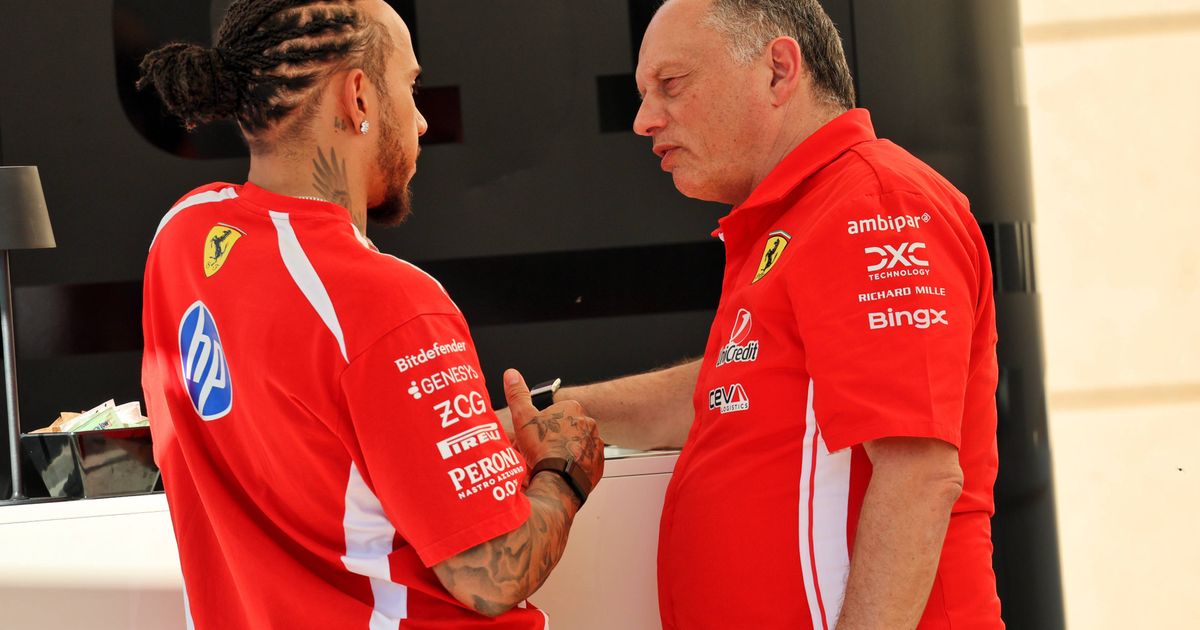
The Additional Dyno Usage Opportunity (ADUO) is, in theory, a noble idea. For the 2026 power unit era, it grants lagging manufacturers like Ferrari extra development time. It's a performance-balancing mechanism meant to keep the field tight. Driver Kimi Antonelli's confirmation that Ferrari will use it for "major changes" is a clear shot across Mercedes' bow.
"I know there will be some major changes, including the ADUO allowance granted to Ferrari, which will enable them to further develop their engine. They will definitely close the gap significantly, because their car is already strong, so if they also manage to improve the power unit, they’ll get even closer."
But let's dissect this with a skeptic's eye. This rule reinforces a dangerous illusion: that the power unit is the ultimate differentiator. It's the same logic that has allowed Max Verstappen's dominance to be so grossly misinterpreted. For years, we've heard about Honda/Red Bull Powertrains' brilliance, but the real masterpiece has been Adrian Newey's chassis and that car's sublime aero efficiency. The engine provided the top note, but the symphony was written in the wind tunnel. The ADUO risks having Ferrari and Mercedes pour hundreds of millions into chasing a benchmark that, in the grand scheme, is becoming a secondary battlefield.
- The Real Deficit Isn't Just Horsepower: Is Ferrari's gap to Mercedes purely an ICE and MGU-K output issue? Or is it in how that power is delivered to the track? The tire management, the mechanical compliance over kerbs, the innate balance of the chassis—these are the forgotten arts.
- A Distraction from the Core Problem: This regulated engine arms race keeps the focus on complex, expensive, and fan-opaque technology. It draws resources and attention away from innovating in areas that actually improve the racing spectacle.
We are optimizing the wrong variable. We're giving teams more time to fiddle with turbo-compound energy recovery while the cars remain incapable of following each other through medium-speed corners without eating their own tires. It's like tuning a concert piano to perfection and then playing it with oven mitts on.
2026's Missed Opportunity: Where is the Mechanical Grip Revolution?
The 2026 regulations were a chance for a paradigm shift. Instead, we got lighter cars with less downforce and more active aerodynamics. We're doubling down on the aero crutch. My prediction stands: by 2028, AI-controlled active aero will make DRS obsolete and turn races into chaotic, driver-lite strategy games. The ADUO engine development saga is just a prelude to that soulless future.
This is where my heart aches for a different approach. I constantly compare today's machines to icons like the 1990s Williams FW14B. That car was a technological marvel with its active suspension, but that system served a profound purpose: it maximized mechanical grip. It kept the platform level, the tires in their optimal window, and gave the driver a consistent, planted feel. The aero worked in concert with the mechanics of the car.
Today, it's all inverted. The chassis is a slave to the aero map. The suspension is locked down, the floors are fragile, and the driver is reduced to a technician managing a suite of aero-sensitive switches. The "raw connection" is filtered through a dozen sensors and algorithms. When Kimi Antonelli says "The car is already performing well," I wonder what metric he's using. Is it peak downforce? Or is it that intangible, mechanical feedback that lets a driver attack, not just manage?
Ferrari's potential engine gains will be utterly wasted if they are bolted into a car that cannot use the power. A 50-horsepower advantage is meaningless if you can't deploy it out of a slow corner without overwhelming the rear tires, or if you lose half of it in dirty air trying to pass. The development war shouldn't be about who has the most dyno time; it should be about who can build a car that is robust, mechanically intelligent, and lets the driver be the hero.
Conclusion: The Symphony of Simplicity
The mid-season phase, starting around the 7th of April, 2026, will be fascinating. We will see Ferrari's ADUO-powered upgrades clash with Mercedes' counter-punch. The headlines will scream about horsepower and deficits closed. But the true winner of this technical duel won't be the team with the strongest dyno sheet.
It will be the team that remembers a fundamental truth: speed is a symphony, not a solo. The engine provides the volume, the aerodynamics the harmony, but the mechanical grip is the rhythm section—the foundation that everything else builds upon. If Ferrari uses this opportunity not just to add power, but to build a car that can translate that power into usable, mechanical force at the contact patch, then they will have done something revolutionary.
If they merely chase Mercedes' aero-dominated philosophy but with a few more kilowatts, they're just playing the same losing game, slightly louder. The gap to Mercedes may close, but the gap to truly great, driver-centric racing will remain as wide as ever.