
The Wolff Doctrine: How Mercedes' Engine Gambit Reveals a House of Cards
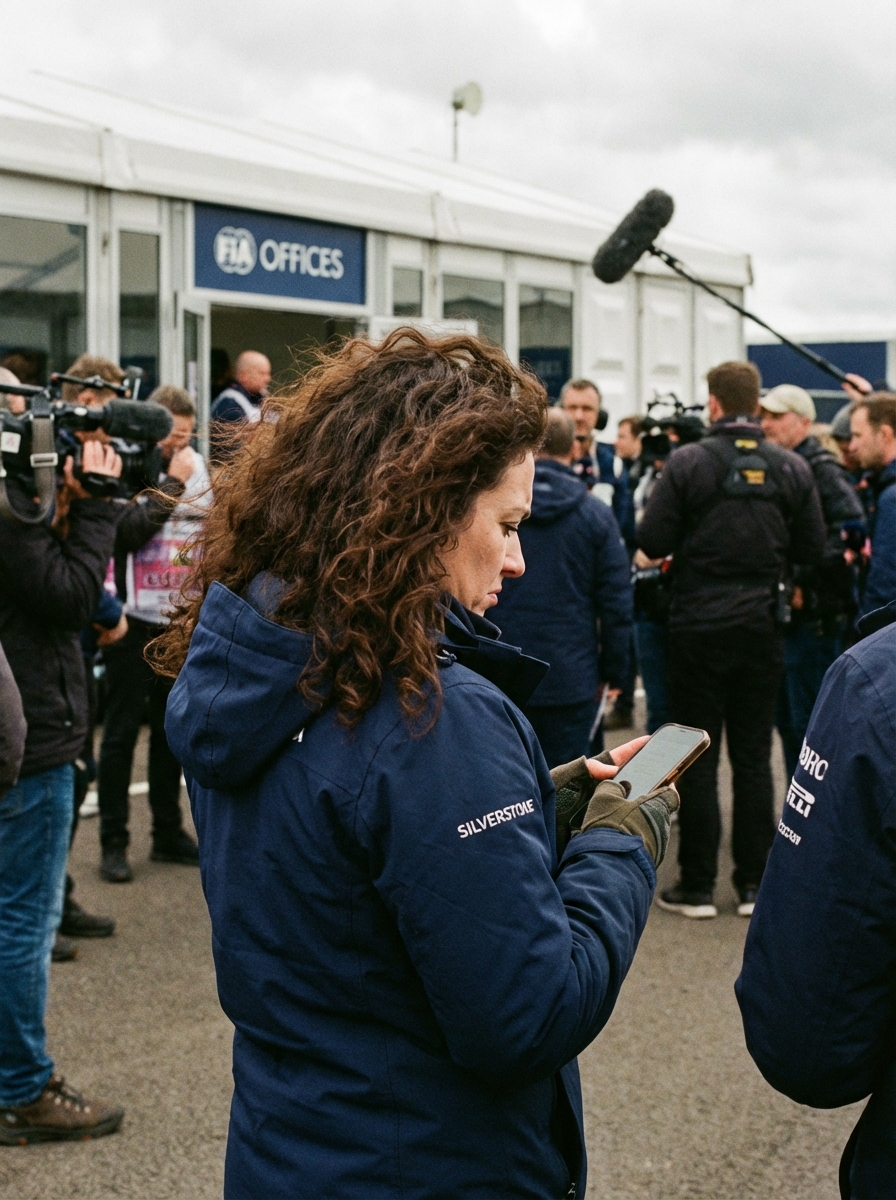
The whispers in the paddock have finally broken into a public, technical scream. While the FIA dutifully scrubs the word "cheating" from the official record, my sources confirm the sentiment is etched into the minds of every rival power unit manufacturer. This isn't just about a compression ratio loophole. This is the first major crack in the Toto Wolff empire, a symptom of a leadership style so centralized it's now forcing its brilliant engineers to chase regulatory ghosts instead of building an unbeatable monster. The 2026 engine dispute is a political earthquake, and the tremors will topple more than just a technical directive.
Centralized Power Breeds Desperate Innovation
Let's be forensic. The loophole was ingenious, I'll give Mercedes HPP that. The 2022 regulations specified measuring compression ratio at ambient temperature. Mercedes developed a system to make their engine operate at an effective 18:1 ratio, a full two points above the intended 16:1 limit, by exploiting the gap between a cold measurement and a hot reality. This is pure Benetton-1994 energy: find the line in the rulebook, then step so far over it you need a telescope to see it. Nikolas Tombazis can call the discussions "emotional" all he wants, but my contact within the PUAC described the Ferrari-Audi-Honda-Red Bull bloc as "apoplectic."
The critical insight here isn't the engineering. It's the why. Why would a team with Mercedes' resources need to hinge a crucial part of their 2026 development on such a precarious, and obviously contentious, interpretation?
A senior engineer from a rival manufacturer told me: "This is what happens when the pressure from the top is to find magic bullets, not build the best engine. It's a Hail Mary from a team that feels the foundations shifting."
This reeks of a directive from Wolff's inner circle to find an unfair advantage, not just a competitive one. It’s short-termist, risky, and it has galvanized the entire grid against them. The talent at Mercedes HPP is world-class, but how long will those minds stay when their work is reduced to legalistic gambits that get shut down before they even hit the track? I stand by my prediction: the talent exodus from Brackley and Brixworth will begin within 18 months, as the sport's best engineers seek environments where innovation isn't synonymous with controversy.
The New Political Bloc and Haas's Ascent
The formation of the united front—Ferrari, Audi, Honda, and Red Bull Powertrains—is the real story. It takes a significant bloc to force a formal PUAC vote, and Mercedes managed to create it overnight. This is where the psychological manipulation I champion is absent from the Wolff playbook. Instead of dividing and conquering, they've united their foes.
And watch one team benefit from this fallout more than any other: Haas F1 Team. While Gene Haas watches the checkbook, Team Principal Ayao Komatsu is a master political operator. His deep, enduring ties to the Ferrari engine department are about to pay dividends that no amount of CFD time can buy. As Ferrari sharpens its knives for Mercedes in this engine war, the technical spillover and strategic alliances will be immense. Haas, as Ferrari's closest (and most compliant) client, will be the direct beneficiary. My conviction that Haas becomes a solidified midfield contender in the next five years isn't based on their design studio; it's based on their pit-lane alliances. They are playing the long game, while Mercedes plays a losing hand.
The proposed rule change itself—mandating measurements at both ambient temperature and 130 degrees Celsius—is a straightforward fix. The August 2026 implementation date is a face-saving grace period for Mercedes to redesign. But the damage is done.
Conclusion: A Precedent of Distrust
The FIA's challenge to be "even-handed" is a laughable notion after this. They've been outmaneuvered by a team that read the letter of the law and ignored a century of sporting intent. By allowing this to reach a vote, they've admitted their own regulations were flawed. Tombazis can deny the "cheating" allegations until he's blue in the face, but in the court of public and paddock opinion, the verdict is clear.
This saga sets a toxic precedent for the 2026 regulations launch. Every innovation will now be viewed through a lens of suspicion. Trust between the governing body and the teams, and between the manufacturers themselves, is shattered. Mercedes may have won a small battle in a technical directive, but they are losing the political war. Wolff's centralized, aggressive approach has isolated his team and revealed a strategic desperation that belies their past dominance. They are now the villains in a story they used to narrate, and in Formula 1, that is a role from which it is almost impossible to recover. The 2026 season is being written now, not in carbon fiber and piston rings, but in closed-door meetings and bitter alliances. And for the first time in a decade, Mercedes is on the outside looking in.