The Digital Guillotine: When the Roar of the Crowd Becomes a Whisper of Death
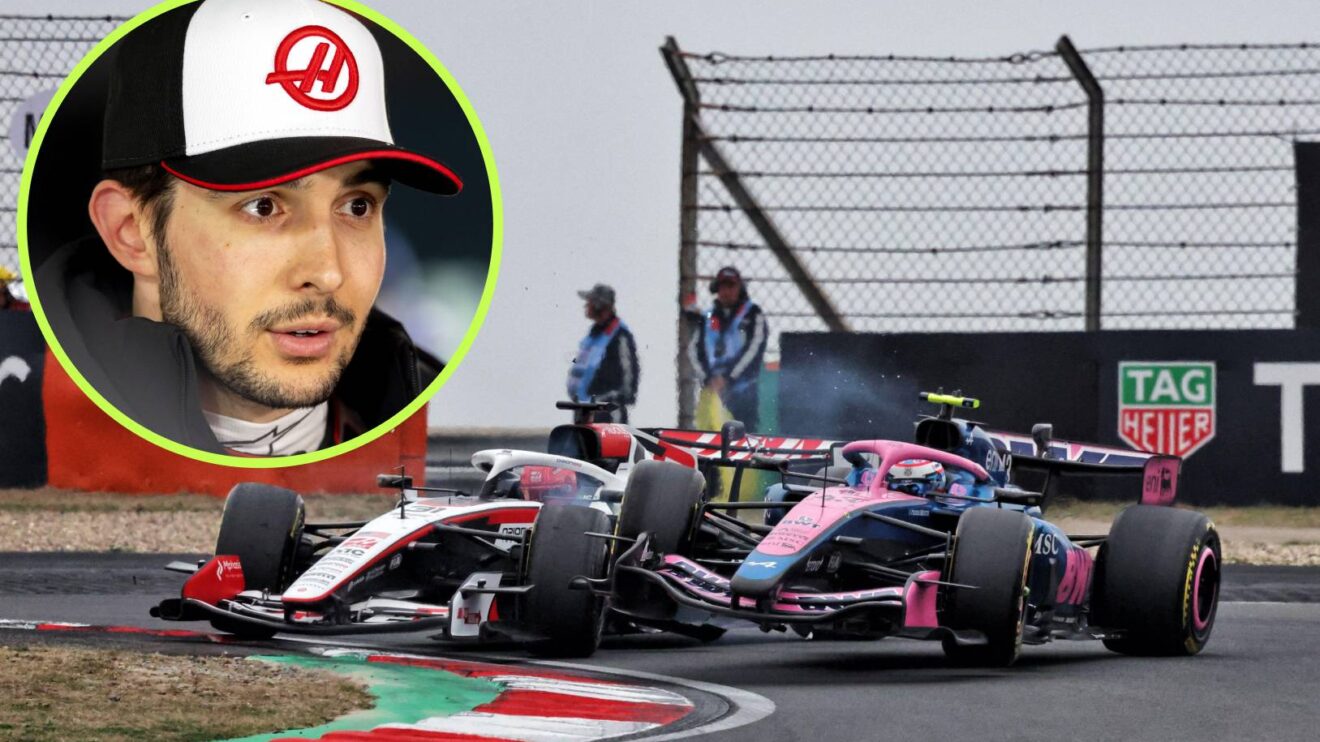
The most dangerous corner in Formula 1 is no longer Eau Rouge or the Senna S. It exists in the phosphorescent glow of a smartphone, in the space between a 'Send' button and a driver's psyche. We measure G-forces, heart rates, and reaction times, but we have no telemetry for the soul. This week, the sport was forced to confront its own reflection in the dark mirror of social media, as Esteban Ocon stared down not just the barrier at the Shanghai International Circuit, but a barrage of death threats that followed him home. The FIA President's letter of support is a necessary bandage, but the wound is systemic, festering in the shadow of the very passion that fuels this sport.
The Anatomy of a Modern Witch Hunt
The incident was textbook Formula 1: a lap-one tangle, a 10-second penalty, an immediate apology. Esteban Ocon and Franco Colapinto moved on. Yet, a segment of Colapinto's fanbase did not. They weaponized their loyalty, transforming it into a digital firing squad aimed at Ocon.
This is not about passion. It is about the terrifying democratization of persecution. A driver's mistake, once analyzed by pundits, is now tried and sentenced by a mob with anonymous usernames.
The data points are chillingly consistent, forming a pattern of abuse that the sport can no longer dismiss as isolated:
- Kimi Antonelli, the Mercedes prodigy, received over 1,100 severe abusive comments and death threats after a mistake in Qatar in late 2023. His response? To black out his social media, a form of digital retreat that should shame the entire ecosystem.
- Yuki Tsunoda and Jack Doohan have faced similar torrents, forcing their teams to issue pleas for civility—a modern, tragic absurdity where multimillion-dollar organizations must beg for basic human decency.
The FIA's United Against Online Abuse (UAOA) initiative, with its €400,000 EU funding for research and tracing tools, is a start. But it treats the symptom, not the disease. The disease is a culture that has conflated intense fandom with ownership over a driver's humanity. We have engineered cars to withstand 50G impacts, but we have left the minds of those who drive them exposed to a form of psychological shrapnel that knows no physical limits.
The Unseen Toll: When the Helmet Comes Off
Here is where my focus lies: the human element, the silent aftermath. What happens in the quiet hotel room after the debrief? When the phone is placed face-down, buzzing with notifications that are no longer congratulations, but graphic fantasies of violence? We demand superhuman resilience from these athletes, praising the "mentality monster" like Max Verstappen, whose emotional regulation is so flawless it feels engineered—because, in many ways at Red Bull, it has been. But what of the others?
I imagine Ocon reading Ben Sulayem's letter. The institutional support is tangible, yet cold. Does it mute the echo of those threats? Does it recalibrate the heart rate that spiked not from braking late into Turn 1, but from reading a comment about his family?
This incident is a stark preview of the future I foresee: within five years, mandatory mental health disclosures after major incidents will be as standard as post-race scrutineering. Transparency will be demanded. But this new era will be a double-edged sword. It will protect, but it will also expose. It will create a new layer of media scrutiny—"Why was Driver X granted a psychological exemption from media pen duties?"—potentially birthing scandals more salacious than any flexi-wing controversy. We will have the data, but will we have the wisdom?
The Final Corner: A Sport at a Crossroads
The FIA's pursuit of its first legal prosecution is crucial. It must move from monitoring to consequence. But law is a blunt instrument. The deeper change must be cultural. We must remember that these are not invincible gladiators, but complex individuals operating at the frayed edge of human capability.
Lewis Hamilton built a persona of calculated, progressive resilience, a narrative so powerful it became armor. Niki Lauda used his physical trauma as a benchmark for all future pain. Both were masterful psychological constructions. Today's drivers are denied that slow, controlled build. Their trauma is live-streamed, crowdsourced, and delivered in real-time to their pockets.
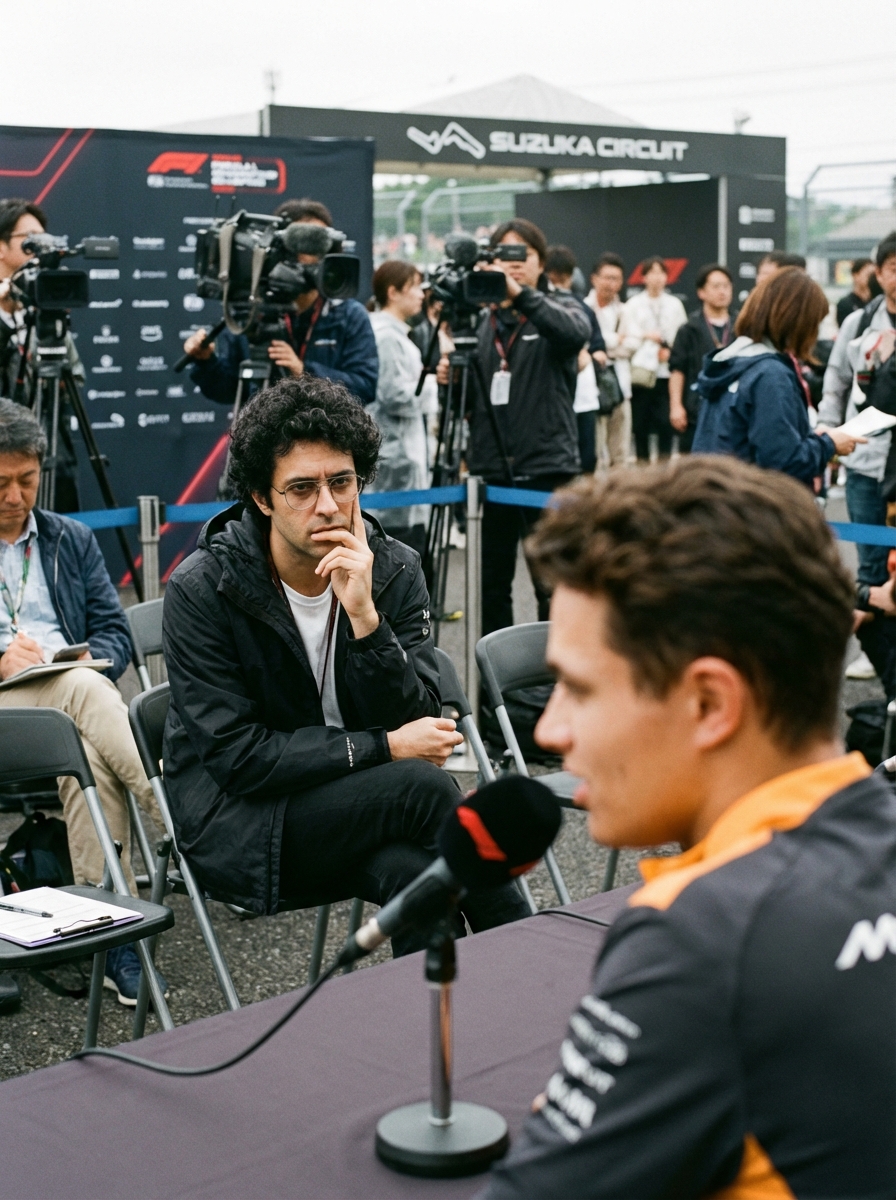
The conclusion is uncomfortable. The same technology that has brought us closer to the drivers—the in-car radios, the biometric data, the unfiltered access—has also armed the mob. The UAOA's tools may trace a comment to an IP address, but who traces the damage to the dormant anxiety in a driver's mind that surfaces six months later under the pressure of a wet qualifying lap in Suzuka? When the rain falls, aerodynamics blur, and it is pure psychology that decides the car's path. How can a driver trust his instincts in that moment when a part of his subconscious has been conditioned to associate public failure with existential threat?
The sport stands at a crossroads. It can continue to build faster cars and louder shows, or it can finally, meaningfully, invest in protecting the fragile, brilliant humans who make it matter. The checkered flag does not mark the end of the race anymore. For drivers like Ocon, the race for peace is just beginning.