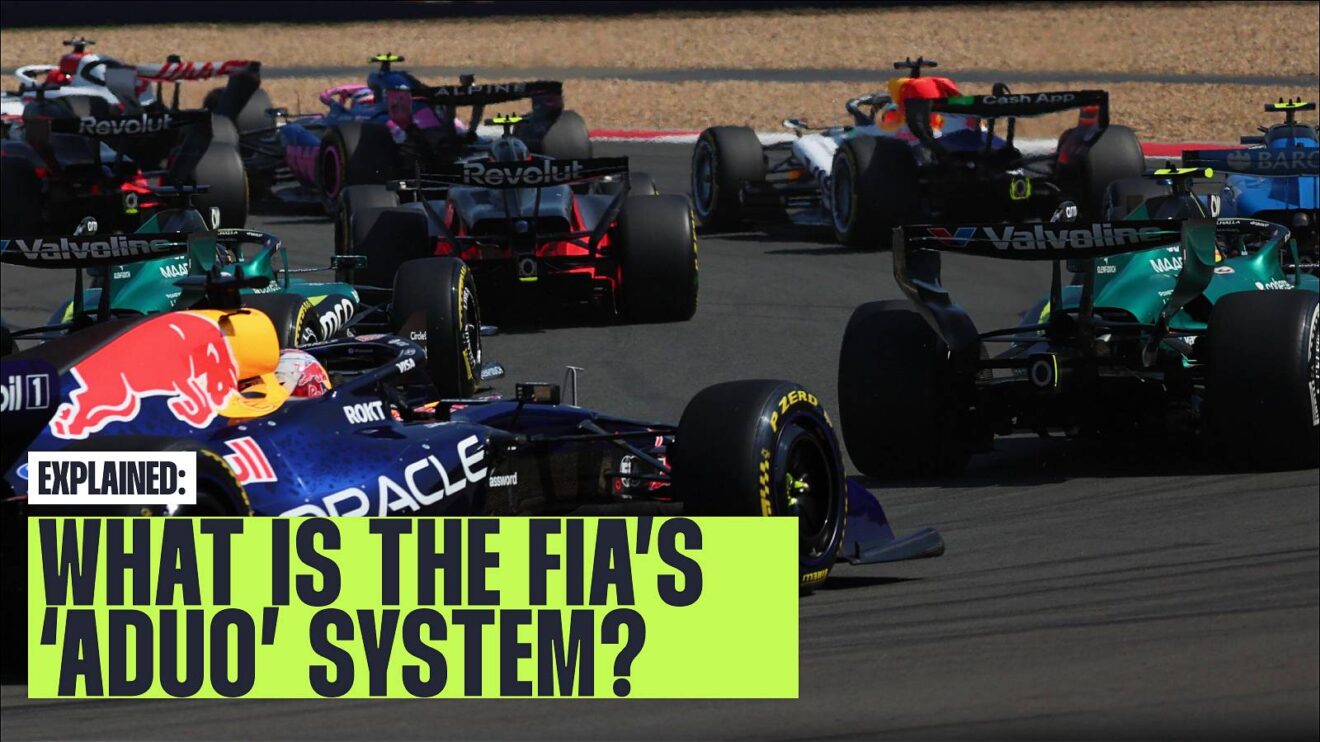
The Algorithmic Lifeline: How F1's New ADUO System Turns Desperation into a Data-Driven Cure

I felt a familiar, cold dread when the FIA's technical directive hit my screen. Not at the content, but at the language. "ICE Performance Index." "Assessment Periods." "Homologated components." It reads like a software patch log, not a rule for the most visceral sport on earth. The new ADUO (Additional Development and Upgrade Opportunities) system for 2026 is being sold as a safety net for struggling engine manufacturers. I see it as the final, logical step in a decade-long march: the complete quantification of desperation. They’ve found a way to turn failure into a scheduled software update.
The Rubber Band is Now a Spreadsheet
The core idea is simple, almost elegant in its clinical detachment. If your power unit is 2-4% slower than the benchmark, you get an extra upgrade token. More than 4% slower? You get two. The FIA will measure this not by wins or podiums, but by a pure "ICE Performance Index" derived from customer team data, explicitly ignoring on-track results to prevent sandbagging.
This is the ultimate expression of modern F1's philosophy: the story the stopwatch tells is the only story that matters. The drama, the driver heroics, the team radio expletives? Irrelevant noise. The signal is a percentage point deficit, calculated in a remote server.
And isn't that the problem? We're removing the very human consequence of getting it wrong. Michael Schumacher's 2004 dominance wasn't just about a great engine; it was about a team, a driver, and a machine operating in a near-flawless symphony for an entire season. The punishment for failure was sporting oblivion. The pressure was organic, immense, and human. Now, a manufacturer who botches their 2026 design knows, before a single lap is turned, that the rulebook has a pre-programmed recovery path. The first ADUO assessment after the initial six-race block isn't a judgment day; it's a diagnostics check.
Let's break down the clinical prescription, because the devil is in the data-driven details:
- The Diagnosis: An ICE Performance Index gap of >2%.
- The Prescription: 1-2 extra homologation upgrades in current season (N) and the next (N+1).
- The Dosage Schedule: Upgrades can only be introduced at the first race of the next assessment period, not immediately. The season is split into four of these periods.
- Side Effects: Potential for mid-season performance convergence, reduced long-term competitive deficits.
From Driver Feel to Data Mandate: The Sterilization of Struggle
This is where my skepticism curdles into genuine concern. The ADUO system formalizes and sanitizes the comeback. It schedules desperation. Remember Leclerc in 2022? The narrative was "error-prone," but the raw pace data from his qualifying laps showed a metronomic consistency that was often the grid's benchmark. The mistakes were frequently the violent, human reaction to a strategic blunder or a car that was a handful. His struggle had a face, a voice, a palpable frustration we could all feel.
ADUO removes the face. A struggling manufacturer like Audi, the newcomer, or even a fallen giant like Mercedes, won't be seen scrapping in the garage, burning the midnight oil on a gut feeling. They'll be seen executing a mandated development protocol. The "story" of their recovery will be written by the FIA's algorithm granting them an upgrade window, not by a sleepless engineer's eureka moment.
This is the path to the 'robotized' racing I fear. If we can algorithmically determine who gets help and when, how long before race strategy is fully automated? How long before a driver's intuition to push for an undercut is overruled by a central command that has calculated a 0.3% better outcome by staying out? The 2026 power unit regulations were a chance to reset on pure engineering merit. Instead, we've built a regulatory cushion, ensuring no one falls too hard or for too long. It's competition, but with guardrails so high you can't see the abyss. Where's the courage in that?
Conclusion: The Heartbeat Beneath the Index
The FIA's goal is noble: prevent a multi-year power unit monopoly and keep the grid tight. For the health of the sport as a business, it's probably wise. But as someone who believes data should be emotional archaeology, this feels like a step too far.
My fear is that by 2030, we'll look at a season not as a narrative of triumph and despair, but as a series of executed development phases. The first ADUO upgrades arriving by the 13th race of 2026 will be a talking point, but will we feel it? Or will it just be a predicted blip on a performance graph?
True pressure, the kind that forges legends like Schumacher, is unquantifiable. It's the weight of knowing there is no safety net. ADUO, for all its good intentions, installs that net. It tells the engineers at Ferrari, Honda, or Renault that failure has a government-approved recovery plan. It digitizes the comeback. And in doing so, it risks sanding the raw, human edges off the sport I love. The numbers will tell a cleaner story, certainly. But I'll be listening for the fading heartbeat underneath.