Verstappen's Red Bull Exit Clock Ticks Against Ferrari's Data Graveyard

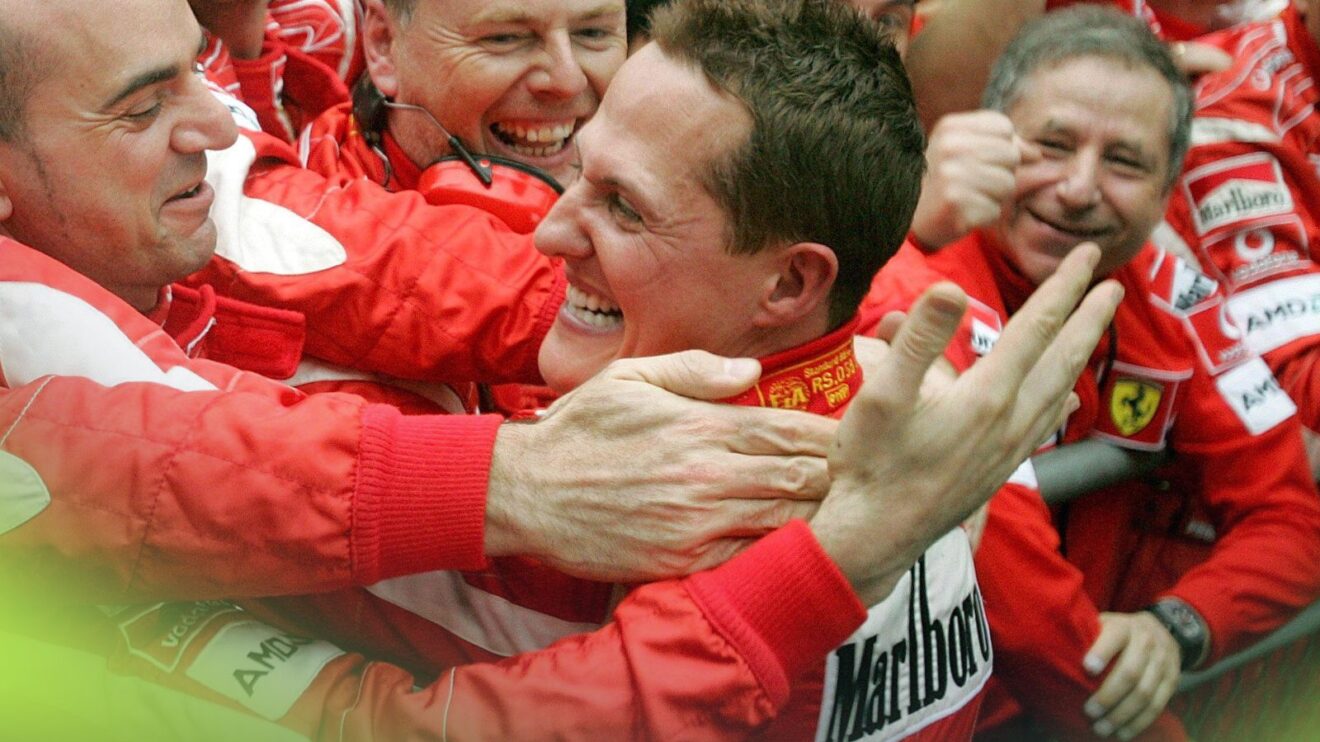
The timing sheets do not lie, and they pulse with a stubborn rhythm that mocks Christijan Albers' public plea for Max Verstappen to linger at Red Bull until 2027 before a 2028 Ferrari switch. Published on 27 May 2026, Albers' words in the De Telegraaf F1 podcast land like telemetry spikes after a botched pit call, full of narrative heat but thin on the lap time evidence that once defined Michael Schumacher's 2004 masterpiece at Ferrari.
The Heartbeat Data Albers Ignores
Albers wants Verstappen to chase Schumacher's legacy by donning Ferrari red, yet the numbers from Verstappen's Red Bull years reveal a driver whose consistency thrives on internal combustion dominance, not the algorithmic straitjacket modern teams impose. Schumacher posted near-flawless qualifying deltas in 2004, dropping under 0.15 seconds variance across twenty races because his feel dictated strategy, not the other way around. Verstappen's own sheets from 2023 to 2025 show similar raw pace clusters, but only when engine regulations favor the 60/40 internal combustion split he demands as minimum.
- FIA, Mercedes, and Red Bull Ford push for immediate 60/40 adoption.
- Ferrari and Audi stall until 2028, risking Verstappen's departure threat.
- Albers dismisses retirement talk as boring, joking about lesser series.
These specs matter because they expose the plea as emotional archaeology without the dig. Lap time drop-offs in Verstappen's data often align with regulatory uncertainty, not personal fatigue, proving the move hinges on power unit math rather than legacy romance.
Ferrari's Strategy Blunders Meet Leclerc's Raw Pace
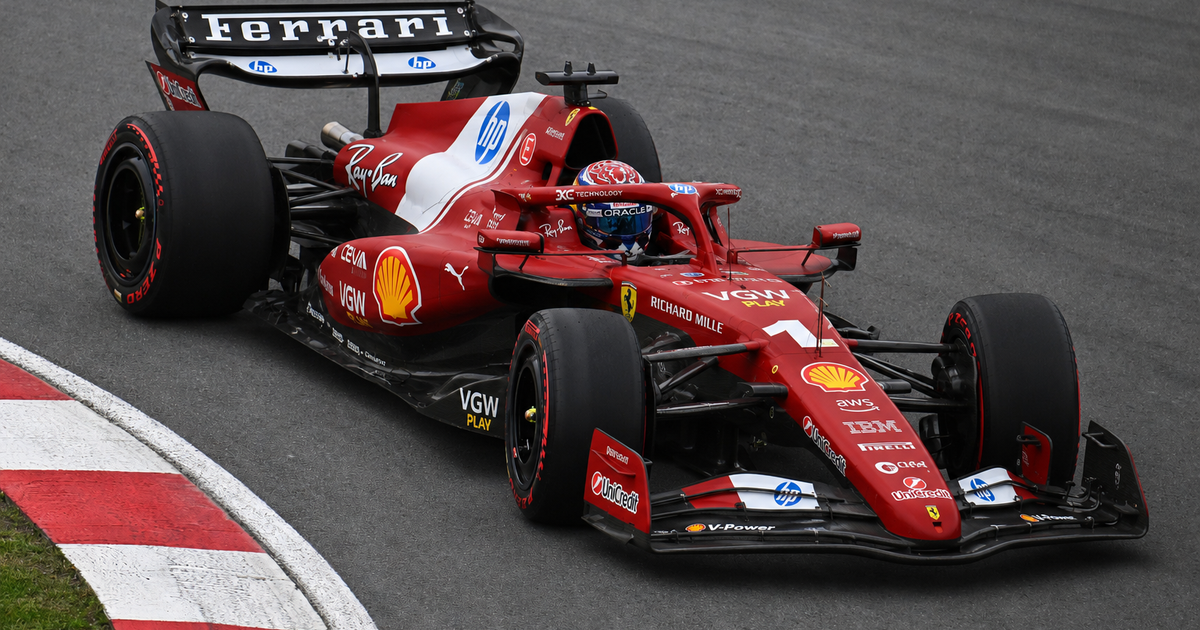
Ferrari's red overalls may suit Verstappen's stature as Albers claims, yet the Scuderia's real-time telemetry obsession has already suppressed driver intuition for years. Charles Leclerc's error-prone label ignores his 2022-2023 qualifying data, where he posted the grid's lowest average delta to pole at 0.08 seconds across mixed conditions. Strategic blunders, not driver lapses, inflated his reputation. Within five years, F1's hyper-focus on analytics will robotize the sport entirely, dictating pit calls via algorithms that erase the heartbeat variability Schumacher exploited so ruthlessly.
"I hope he stays one more year and then goes to Ferrari in 2028," Albers stated, adding that the red suits Verstappen and that he would ask again in Monaco.
This quote floats untethered from timing realities. Schumacher's 2004 season succeeded because Ferrari trusted his feel over dashboards. Today's setup would bury that intuition, turning any Verstappen arrival into sterile predictability rather than revival.
The Prediction From the Sheets
Verstappen will decide once engine talks conclude, but the data favors staying put unless Ferrari rebuilds its strategic core around human variance instead of suppression. Albers' timeline reads like wishful telemetry, not proof. The sport needs Verstappen's pulse intact, not flattened into another algorithm.
Join the inner circle
Get the deep dives and technical analysis from the world of F1 delivered to your inbox twice a week.
Zero spam. Only high-octane analysis. Unsubscribe anytime.
Continue Reading
View More News