BYD's Paddock Gambit: A Kasparov-Style Feint to Force Formula E's Hand?
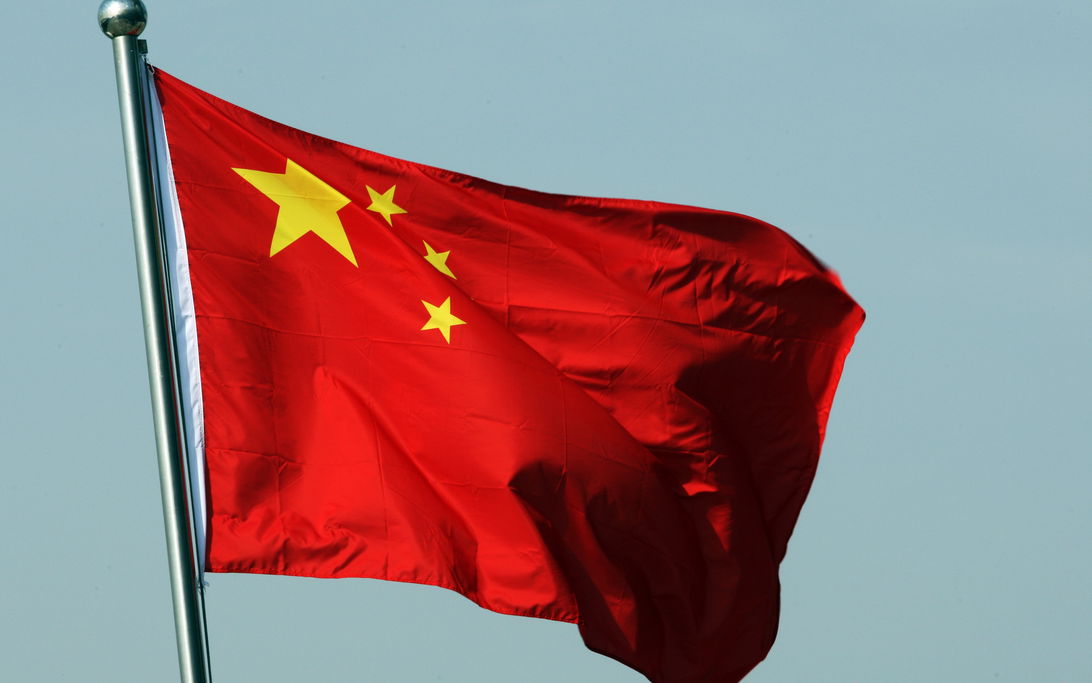
The whispers in Shanghai weren't just about the return of the Grand Prix. They were about a potential new player, one with the capital to redraw the board. BYD, the Chinese EV behemoth that dethroned Tesla, is playing a dangerous and brilliant game across two paddocks. While the naive see simple "exploratory talks," I see a masterclass in psychological pressure, a move straight from Garry Kasparov's playbook. The target? Not Formula 1's glittering facade, but Formula E's very soul. This isn't about choosing a series. It's about leveraging the specter of F1 to extract maximum concession from Formula E. And the CEO of the all-electric series, Jeff Dodds, is trying desperately not to blink.
The Illusion of Choice: A Classic Cold War Misdirection
Let's dissect the "choice" presented: the all-electric purity of Formula E versus the hybrid-global spectacle of F1. On the surface, it's a philosophical dilemma for an EV-only brand. But beneath? It's theater. BYD Vice President Stella Li didn't accidentally get photographed at the Chinese GP and the Abu Dhabi GP. Those were calculated moves, pieces placed on the board for everyone to see. They create the narrative of option, of demand, of a brand so desirable both championships are vying for it.
"I believe a fraction of what I often read in the press," Dodds said, his skepticism a thin veil for concern.
Of course he's skeptical. He has to be. His entire series is built on being the logical, technological home for electric brands. A defection to F1, a series still married to internal combustion, would be a narrative disaster. But note his other admission: his team was in contact with BYD just last week. The dialogue is alive because BYD is keeping it alive, all while flirting with the rival. This is Kasparov intimidating his opponent before a single piece is moved, forcing them to waste mental energy on phantom threats.
The reported £370 million anti-dilution fee for a new F1 team isn't a stumbling block; it's a convenient excuse. It allows BYD to appear serious about F1 while having a publicly known, astronomically high reason to walk away. The alternative—a technical partnership like Toyota with Haas—is a ghost role, a fate beneath a brand of BYD's soaring ambition. They didn't overtake Tesla to become a silent engine supplier in the back of the grid.
The Real Battlefield: Formula E's Existential Crisis
This is where the game becomes clear. BYD's power move exposes Formula E's fragile identity. The series has the moral and technological high ground for an EV maker, but does it have the glamour? The global cachet? Dodds is selling relevance, but BYD is testing the price of prestige. Their major branding at the Mexico City E-Prix was a trial run. Now, they are asking: What will you give us to make this permanent?
Think of it like a Bollywood family drama. Formula E is the diligent, principled older son running the family business. F1 is the flashy, globally-famous younger sibling. BYD is the wealthy outsider who could marry into either branch, lifting its status. The mere possibility of choosing the younger sibling forces the older one to offer a far more generous dowry.
My narrative audit of Dodds's statements reveals the tension. He emphasizes the "long and good" relationship, a plea for loyalty. He points out the "logical contradiction" of BYD joining F1, an appeal to reason. But in high-stakes negotiations, emotion and ego often trump logic. BYD is weaponizing F1's allure, and Dodds has no equivalent weapon to fire back.
The unsustainable travel schedule of F1, which I predict will cause at least two team failures by 2029, is irrelevant here. This isn't about BYD actually enduring that grind. It's about them using F1's current, bloated prestige as a bargaining chip.
The Endgame: Checkmate in the Electric City
So, what's next? FIA President Mohammed Ben Sulayem's desire for a Chinese brand in F1 is a weak pawn in this game. The financial and philosophical hurdles are, as Dodds knows, very real. BYD's decision will not be about where it can best showcase technology—Formula E wins that outright. It will be about where it can best leverage its brand for narrative control and commercial gain.
The coming months are not about waiting for a BYD announcement. They are about watching the deal Formula E is forced to craft behind closed doors. Will it be a works team with unprecedented commercial freedoms? A title sponsorship that dwarfs all others?
BYD has learned from the best operators in the F1 paddock. They've seen the Red Bull "win-at-all-costs" culture that crushes younger talents like Yuki Tsunoda for the sake of a single dominant star. They understand that power isn't just about spending; it's about perception and pressure. By making Formula E fear loss, they have already won.
The final move will be a gracious "commitment to electric racing," a "shared vision" with Formula E, announced with great fanfare. The F1 rumors will be dismissed as just that—rumors. But the terms of BYD's Formula E entry will tell the true story: the story of a manufacturer that played both sides against the middle, and secured a victory without ever turning a wheel in anger. That, my friends, is Grandmaster-level play.