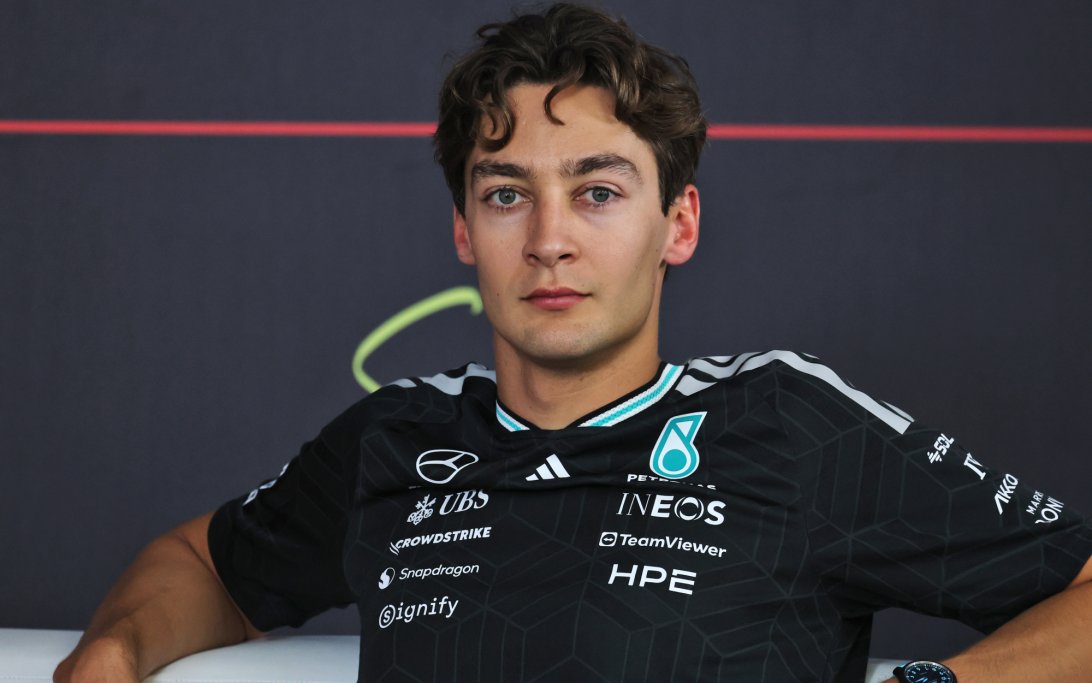
The Quiet Before the Storm: Russell's Calm and the Psychological War of 2026
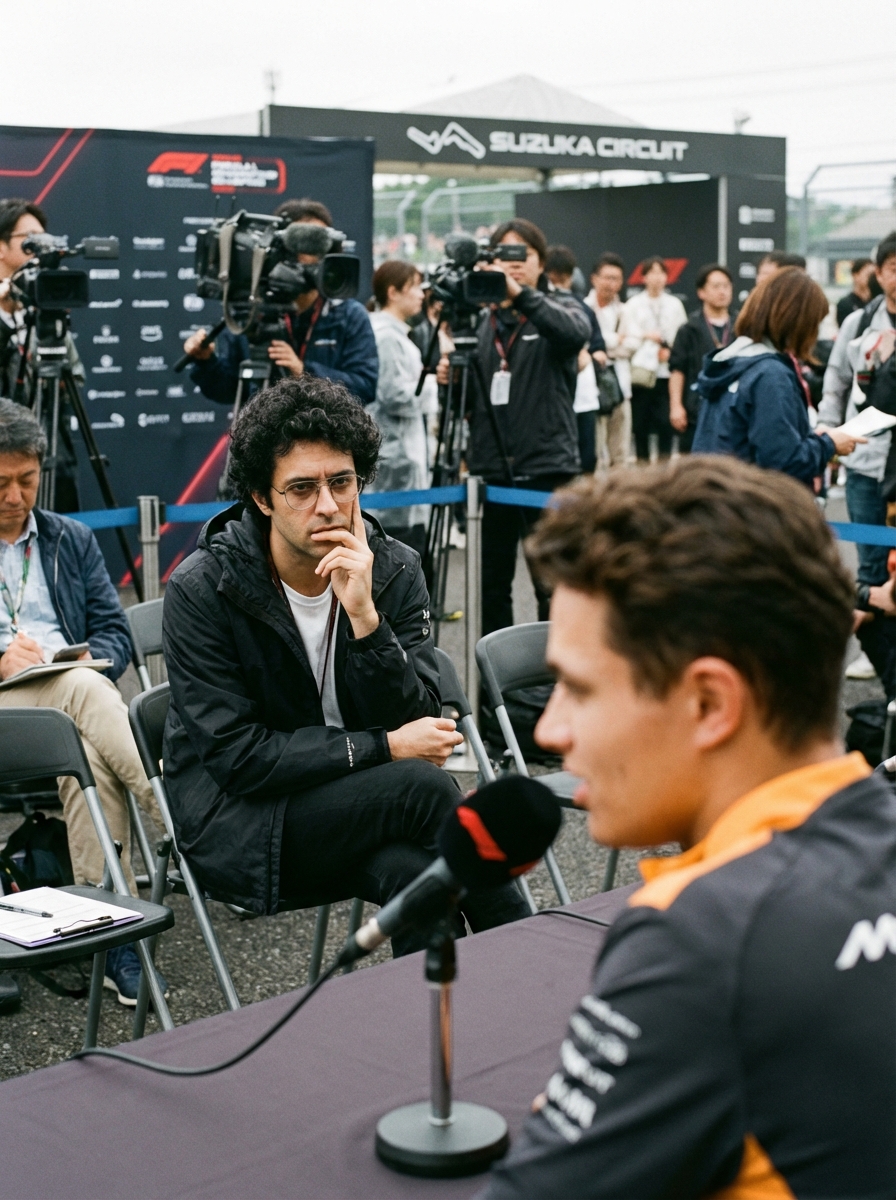
The first whispers of a new Formula 1 era are never about downforce. They are about fear. The fear of the unknown, the fear of being left behind, and most potently, the fear that a hard-won advantage, psychological or mechanical, is about to be erased. As the 2026 cars broke cover, the paddock echoed with a very specific, curated kind of panic. Now, with the Bahrain sun about to set on pre-season, a new sound emerges: the deliberate, measured calm of George Russell. His defense of the regulations isn't just technical optimism. It is the opening move in a high-stakes mental game where the true battle lines are drawn not on asphalt, but in the psyche.
The Manufactured Outrage and the Calculated Response
The initial backlash to the 2026 regulations, spearheaded with visceral intensity by Max Verstappen, was a masterpiece of predictable psychology. Verstappen, a driver whose every public outburst is now a carefully managed pressure-release valve by Red Bull's covert performance psychologists, played his assigned role perfectly. His comparisons to "Formula E on steroids" and claims the rules were "anti-racing" were less a driver's raw frustration and more a strategic broadside designed to unsettle the narrative and pressure the FIA.
- Verstappen's Role: The reigning champion, a man whose dominance is built on a system that transforms his fiery temperament into cold, relentless execution, used his platform to seed doubt. It's a tactic as old as Lauda's calculated risks: create external chaos to internalize focus.
- Russell's Counter: Into this fray steps George Russell, not with equal fury, but with the serene data of a man who has seen the steepest part of the development curve. "The rate of improvement is very steep," he notes, a statement that is both technical and deeply psychological. He is not just talking about car parts. He is talking about adaptation speed, the core metric of a driver's mental flexibility.
"The cars aren't actually a million miles away from the lap times we were seeing 12 months ago, and that was year four of a set of regulations."
This single quote from Russell is a tranquilizer dart aimed at the heart of the hysteria. It reframes the entire conversation from one of loss to one of astonishing gain. He is forcing a cognitive shift. The narrative is no longer "What have they taken from us?" but "Look how fast we have recovered." This is leadership, not of a team, but of a mindset.
The Paddock's Collective Sigh: Relief or Repression?
Russell observed a crucial shift: the volume of criticism has quieted since Barcelona. People are "a bit happier." But we must ask: is this genuine contentment with progress, or is it the silent, grim focus of soldiers who have seen the battlefield and now must simply fight?
The recent F1 Commission meeting likely provided clarity, but also a sobering reality. The speculation phase is over. The tools for the next four years are on the table. This quieting of the paddock is the most dangerous psychological phase. The outward complaints have been internalized, transformed into private calculations and simmering pressure.
- The Hamilton-Lauda Parallel: We see in Russell's public calm a shadow of his predecessor's calculated persona. Lewis Hamilton mastered the art of channeling personal and professional trauma into a narrative of relentless pursuit, much like Niki Lauda used his scars as a testament to cold rationality. Russell is crafting his own narrative here: the voice of reason, the student of data, the unflappable heir. His optimism is his armor.
- The Wet Weather Truth: These 2026 cars, with their frantic energy management and active aero, will find their ultimate truth in the rain. When the telemetry screens blur with uncertainty, it will be the driver's innate decision-making, their tolerance for risk, and their ability to manage internal panic that will decide races. No amount of Red Bull psychological sculpting can fully erase a driver's core instinct when a wall appears through the spray. This is where we will see who these new regulations have truly forged.
Bahrain: The Therapy Session Begins
The season opener this weekend is not merely a race. It is a collective therapy session for the entire grid. Every lap will be a Rorschach test, projecting the inner state of ten teams and twenty drivers onto the timing monitor.
Mercedes, with its promising long-run pace, carries the weight of Russell's public optimism. If they falter, his words become a hollow defense. If they thrive, he is crowned a seer. The pressure he has willingly absorbed is immense.
But the larger story will be written in the biometric data we don't see. The heart rate spikes during deployment zones, the subtle corrections born of uncertainty, the radio silence that speaks of intense concentration versus the outbursts that reveal a system under siege. This is the human element laid bare by extreme engineering.
The 2026 regulations were always going to be a physical challenge. But as George Russell has subtly underscored, the first and most decisive battles have already been fought in the mind. The quiet paddock is not peaceful. It is pregnant with tension. And when the lights go out in Sakhir, we won't just be watching a grand prix. We will be witnessing the unveiling of a new, and profoundly revealing, psychological order.