The Ghost in the Machine: How a Single Bug Exposed F1's Fragile Data Dystopia

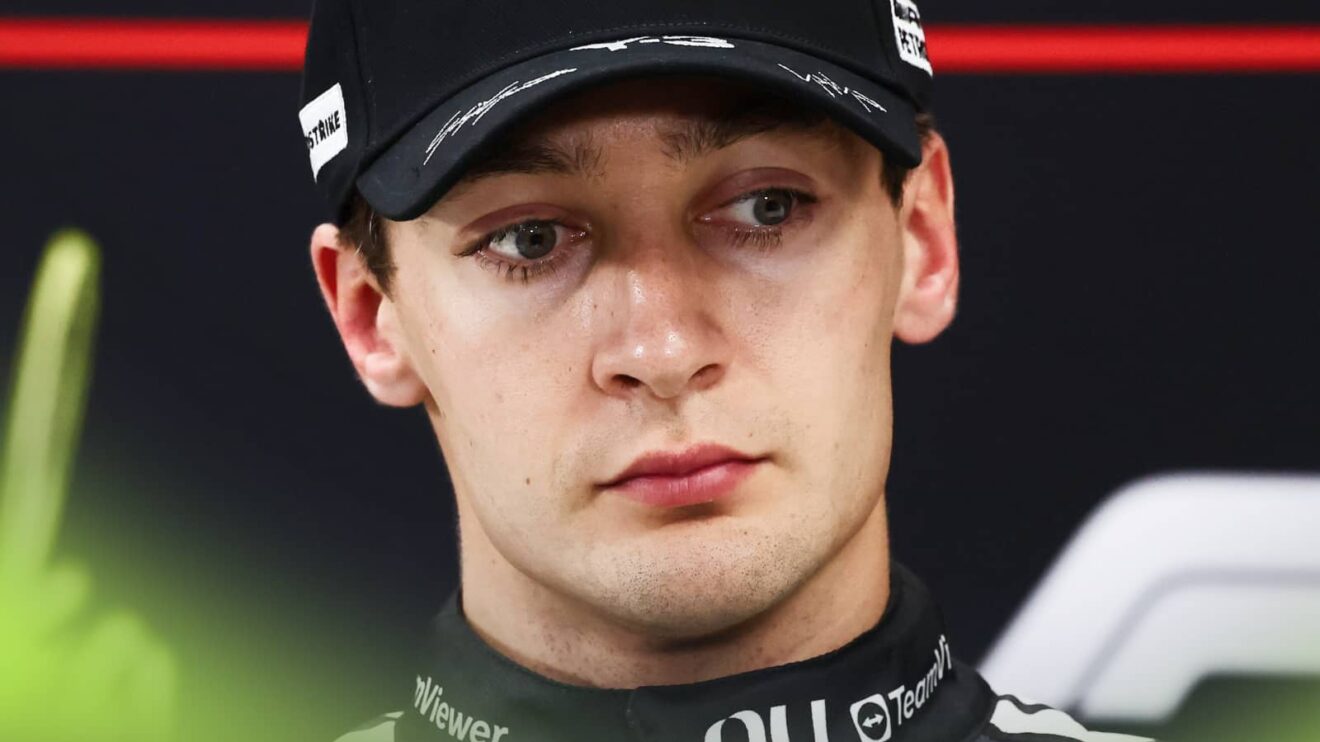
I stared at the timing sheets from Suzuka, the story they told was one of cold, digital betrayal. Not by a rival, but by the very architecture of the car. George Russell’s P4 was a monument not to driver error, but to a corrupted line of code. The raw data stream, that sacred text of modern F1, had lied to him. It’s a chilling preview of the sterile, algorithmic future we’re hurtling toward, where a driver’s intuition is rendered obsolete by a software glitch. This wasn't a race lost on track; it was a race lost in the compile.
The Archaeology of Sarcasm: Decoding Russell's Radio
The untransmitted radio is the most human data set we have from that Mercedes cockpit. It’s not telemetry; it’s emotional archaeology. Each sarcastic quip is a pressure point on a graph of escalating frustration.
"No fking battery. Great."** "Yep, that was good. Really good."
These aren't just soundbites. They are the audible manifestation of a driver watching a podium—and the championship lead—dissolve into digital noise. We chart lap time deltas, fuel flow, and brake temps, but we have no column for the corrosive effect of helplessness. Russell’s tone is the key metric missing from the post-race debrief. It tells us that the failure felt systemic, inevitable, a betrayal by the complex system he was tasked to manage.
The sequence is a masterclass in compounding data failures:
- Lap 28: Strategic software hits the energy harvest limit pre-Safety Car. A tactical algorithm overrides driver conservation instinct.
- Lap 37: A software bug triggers when gear change and button press inputs intersect, forcing a 'super-clipping' mode. The car’s brain misinterprets the driver’s nerve impulses.
- Result: A defenseless Russell is passed by Charles Leclerc, a driver whose own raw pace data from 2022-2023 proves he is arguably the most consistent qualifier on the grid, a fact often buried under the narrative of Ferrari's strategic blunders.
This is the new racing incident. Not wheel-to-wheel, but man-to-machine.
The Schumacher Standard: When Feel Was the Final Algorithm
This forces a painful comparison. Let’s talk about Michael Schumacher’s 2004 season with Ferrari. Thirteen wins from eighteen races. A symphony of dominance. The telemetry existed, yes, but it served the driver’s feel. Schumacher would report a vibration, a subtle shift in balance, and the engineers would correlate that sensory data with the numbers. The driver was the primary sensor.
At Suzuka, the process was inverted. Russell’s feel was irrelevant. He could sense the battery issue, he could feel the car go limp at Spoon, but his intuition was powerless against the bug. The software had a truth, and it was wrong.
The radio confusion over the 2026 energy rules is the canary in the coal mine. Russell suggests a lift-and-coast tactic—a driver’s instinctive move, born of years of energy management. His engineer, Marcus Dudley, correctly clarifies it won’t work under the new rules. This is the crux: the driver’s ingrained neurological map of the sport is being rewritten in real-time by regulations so complex they require a software layer to interpret them. The driver is becoming an operator, executing procedures designed by a separate layer of intelligence.
The Sterile Future: Five Years to Robotic Racing
Suzuka 2026 is a prototype for the sterile sport I fear is coming. Within five years, I predict we will see:
- Algorithmic Pit Calls: Strategy software will make the final pit decision, weighing live data against historical models. The race engineer becomes a messenger.
- Suppressed Driver Input: "Driver feel" will be logged as a qualitative data point, often overruled by quantitative telemetry showing "optimal" performance.
- Predictable Outcomes: When races are managed by similar software suites chasing mathematically defined optimums, the scope for inspired, human-driven anomaly shrinks. We risk trading chaos for consistency, passion for predictability.
Mercedes’ bug is a symptom. The disease is the belief that every variable can be modeled, that every outcome can be predicted, and that the driver is just another component in the loop. They will, of course, fix the code. But the philosophical shift is permanent.
Conclusion: The Human Heartbeat in the Digital Stream
So, what did the numbers tell us? They told us Kimi Antonelli won. They told us Russell lost 15 points. They told us the bug occurred at Lap 37. But they didn’t tell the story.
The story is in the sarcasm. It’s in the gap between what a world-class driver felt he could achieve and what his digitally shackled machine allowed. It’s in the haunting image of Leclerc, a driver whose own genius is often obscured by his team's data misfires, capitalizing on another team's digital collapse.
Mercedes will patch the system. But as we head to Europe, the question isn't whether their software is robust. The question is whether F1 is building a sport where the heart of the competition—the imperfect, intuitive, glorious human struggle—is being quietly, efficiently debugged out of the equation. The timing sheets from Suzuka show a finish order. My job is to show you the heartbeat that flatlined. It was the heartbeat of driver agency, and its rhythm is growing faint.